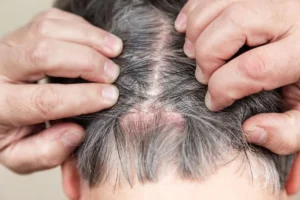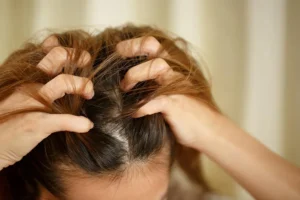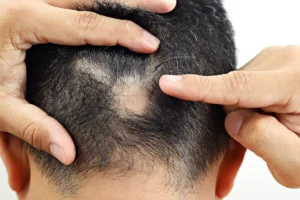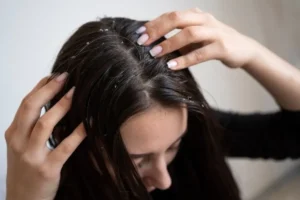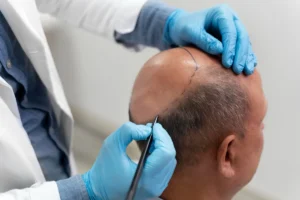
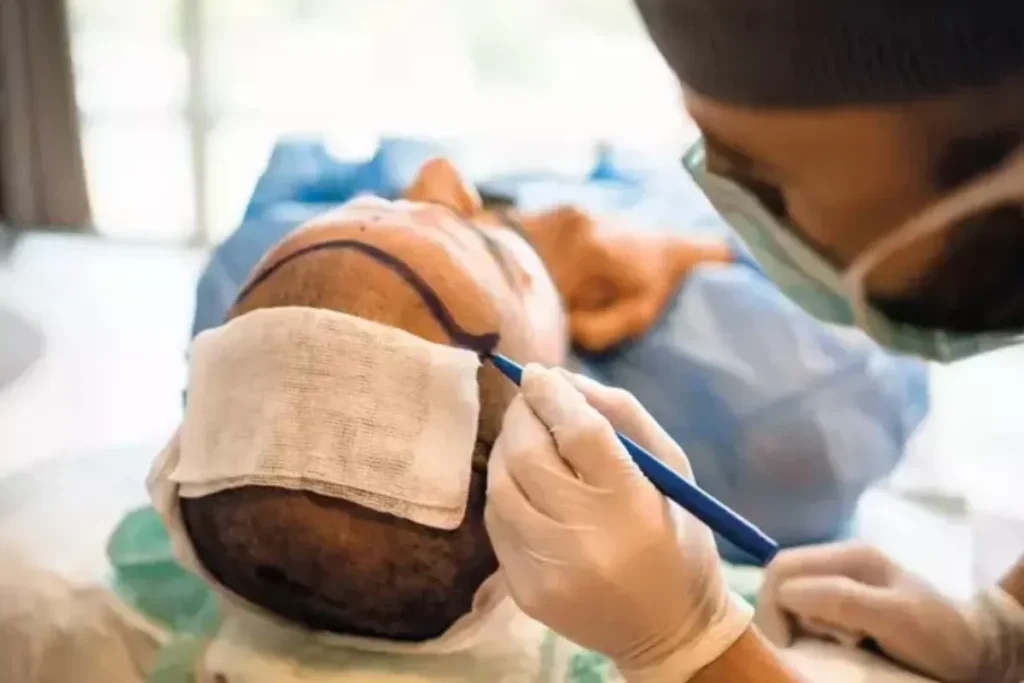
A widening hair part can be a distressing experience. It often signals the onset of androgenetic alopecia.
Noticing a widening part can be unsettling. But understanding its causes is the first step towards addressing it.
Regain your confidence with innovative solutions from gold city hair. They are a trusted partner in hair restoration.
With a focus on patient-centered care and cutting-edge technology, you can achieve your dream hair.
Key Takeaways
Understand the causes of a widening hair part.
Learn about the relation between hair part width and androgenetic alopecia.
Discover innovative hair restoration solutions.
Regain confidence with patient-centered care.
Achieve natural, dense results with cutting-edge technology.
Understanding Wide Hair Parting Loss
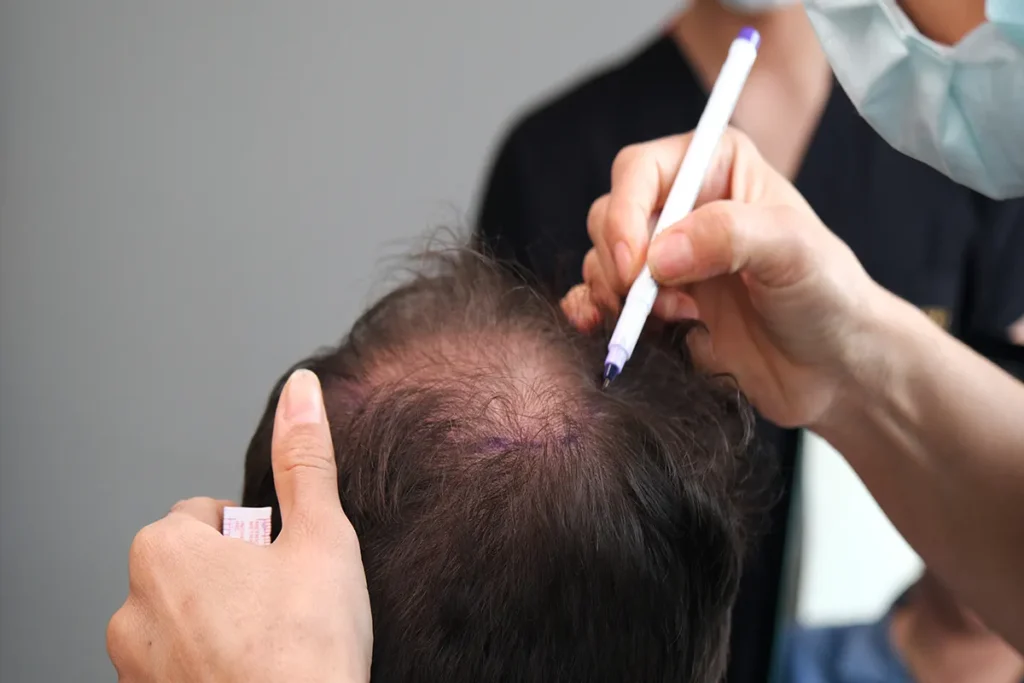
A normal hair part width is usually consistent. Deviations from this norm can signal hair thinning or loss. Knowing what a normal hair part width is is key to spotting issues early.
What Is a Normal Hair Part Width?
A normal hair part width varies by person, based on hair density and style. A hair part is normal if it doesn’t show too much scalp. A consistent hair part width is a sign of healthy hair. Hair care, genetics, and health can affect hair part width.
To see if your hair part is normal, look at these points:
Your hair part should not be too wide, showing a lot of scalp.
The part’s width should stay the same along its length.
Hair density around the part should be even, not thinner than elsewhere.
The “Christmas Tree” Pattern of Widening Parts
The “Christmas tree” pattern shows a widening hair part, like a Christmas tree at the crown. This pattern is often linked to androgenetic alopecia, a common hair loss type.
As hair loss gets worse, the part can widen, making the “Christmas tree” shape. Knowing this pattern helps diagnose hair loss causes.
Regaining hair confidence means understanding widening hair part causes and finding solutions. Spotting hair loss signs early helps keep your hair healthy and full.
Common Causes of Widening Hair Parts
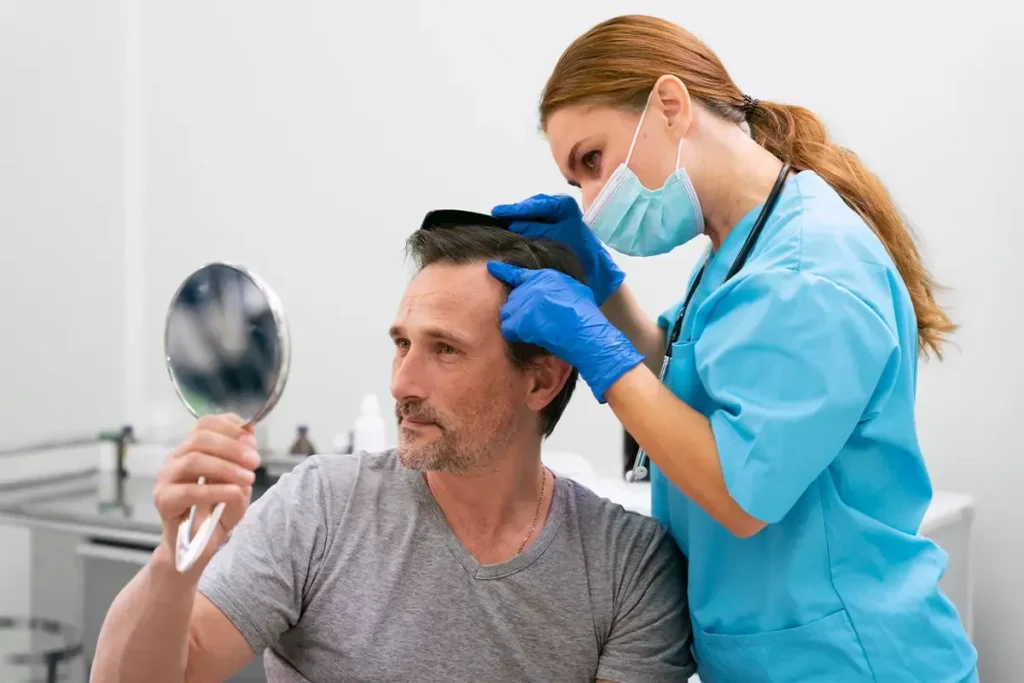
A widening hair part is not just a cosmetic concern; it’s often a sign of deeper hair health issues. Understanding the root causes is essential to addressing the problem effectively.
Androgenetic Alopecia and DHT
One of the primary causes of widening hair parts is Androgenetic Alopecia, a condition influenced by genetics and hormonal factors. DHT, or dihydrotestosterone, is a derivative of testosterone that plays a significant role in this condition. DHT causes hair follicles to shrink, leading to thinner, shorter hair, and eventually, hair loss.
The impact of DHT on hair follicles is a critical factor in the development of Androgenetic Alopecia. Regain your confidence by understanding that treatments are available to counteract the effects of DHT and restore hair growth.
Hormonal and Genetic Factors
Hormonal imbalances and genetic predispositions are significant contributors to hair part thinning. Hormonal changes can affect hair growth cycles, leading to wider hair parts. Genetic factors determine an individual’s susceptibility to hair loss and the effectiveness of treatments.
Hormonal fluctuations during pregnancy or menopause can lead to hair thinning.
Genetic predisposition to Androgenetic Alopecia increases the risk of widening hair parts.
Family history plays a critical role in determining hair loss patterns.
Age-Related Hair Thinning Statistics
Age is a significant factor in hair thinning and widening hair parts. Statistics show that:
As individuals age, the likelihood of experiencing hair thinning and widening hair parts increases. Understanding these statistics can help in planning preventive measures and treatments.
With 4500+ grafts and dense, natural results, hair restoration treatments offer a viable solution for those experiencing widening hair parts. By addressing the underlying causes and leveraging advanced treatments, individuals can regain their confidence and achieve their desired hair density.
Effective Solutions for Widening Hair Parts
Understanding why your hair part is wide is key. There are ways to fix it and get a natural look back.
Medical Treatments and Interventions
Medical treatments can really help with hair loss and wide parts. Androgenetic alopecia is a common reason for this. Medications can slow down hair loss and help new hair grow.
Low-Level Laser Therapy (LLLT): Devices that emit low-level laser or light-emitting diodes can stimulate hair growth.
Platelet-rich Plasma (PRP) Therapy: Involves injecting platelet-rich plasma (PRP) into the scalp to stimulate hair growth.
Medications: FDA-approved medications like minoxidil and finasteride can help slow down hair loss and stimulate hair growth.
Hair Care and Nutrition Strategies
Eating well is important for healthy hair. Nutritional deficiencies can make hair loss worse. Make sure you get enough iron, zinc, and biotin.
Styling Techniques to Conceal Thinning Parts
Styling can also help hide thinning parts. The right products and styles can make a big difference.
Volumizing Products: Use shampoos and conditioners that add volume to your hair.
Teasing: Gently tease the hair around the thinning part to add volume.
Hairstyling: Consult with a stylist to find a hairstyle that distracts from the widening part.
Combining medical treatments, good hair care, and styling can help fix wide hair parts. This way, you can feel more confident about how you look.
Conclusion
Understanding why your hair part is widening is key to stopping hair loss. It could be due to genetics, hormonal changes, or just getting older. Early action and good hair care can help a lot.
Thanks to new hair restoration methods like DHI and Sapphire FUE, you can feel confident again. These advanced techniques give you full coverage and natural-looking hair. They help your hair grow for life.
Choosing a reliable partner for your hair care journey is important. They can help you get a normal hair part width and stop thinning. With custom care and solutions, you’ll have permanent, natural hair and feel more confident.
Don’t let a widening hair part lower your self-esteem. Start your journey to regain confidence and get the hair you want. With the right treatment and care, you can have healthy, natural-looking hair for life.
FAQ
What is considered a normal hair part width?
A normal hair part shows some scalp but with consistent hair density on either side, and it usually does not appear noticeably wider than the natural hairline or crown area.
Why is my hair part getting wider with age?
Hair naturally thins with age, especially on the top of the scalp, causing the part to appear wider. Genetics, hormonal changes, and stress can also contribute.
Is a widening hair part a sign of balding?
It can be an early sign of female or male pattern hair loss, particularly if accompanied by thinning, shedding, or visible scalp.
Can I prevent my hair part from getting wider?
Prevention includes using gentle hair care, avoiding harsh chemicals and heat, managing stress, maintaining a balanced diet, and starting early treatments if thinning is noticed.
What are the most effective treatments for a widening hair part?
Effective options include topical minoxidil, low-level laser therapy, PRP therapy, and sometimes oral medications like finasteride for men, depending on the cause of hair loss.
Can hair transplantation help restore a widening hair part?
Yes, hair transplantation can restore density in areas of a widening part if hair loss has stabilized and there is sufficient donor hair.
How can I conceal a widening hair part?
Cosmetic strategies include using volumizing products, hair fibers, strategic styling, and part repositioning to reduce the visible scalp and create fuller-looking hair.
Is a widening hair part a permanent condition?
Not necessarily. It may progress over time if hair loss continues, but treatments and early interventions can slow or partially reverse the appearance of a widening part.
References
National Center for Biotechnology Information. Evidence-Based Medical Insight. Retrieved from https://pubmed.ncbi.nlm.nih.gov/16168365/