When hair suddenly thins or forms patchy spots, many people turn to alopecia areata specialists for answers. This autoimmune condition can affect anyone, regardless of age or gender, and early intervention often determines the success of treatment. In this article we explore what alopecia areata is, how experts diagnose it, the range of modern therapies available, and what qualities set the best specialists apart. Whether you are dealing with a single bald spot or widespread hair loss, understanding the role of a qualified specialist empowers you to make informed decisions and regain confidence.
According to recent dermatology surveys, up to 2 % of the global population will experience alopecia areata at some point in their lives. Yet many patients remain unaware of the specific expertise required to manage this condition effectively. By the end of this guide you will know which questions to ask, which treatments to consider, and why a center like Gold City Hair can provide a comprehensive, personalized approach.
We begin with a brief overview of the condition itself, then move on to the qualifications that define a true specialist, the treatment arsenal they employ, and finally practical steps for selecting the right professional for your needs.
Understanding Alopecia Areata and When to Seek a Specialist
Alopecia areata is an autoimmune disorder where the body’s immune system mistakenly attacks hair follicles, leading to sudden hair loss. The pattern can range from a single, small patch to extensive baldness, and the condition may recur or progress to alopecia totalis (complete scalp loss) or alopecia universalis (loss of all body hair).
Causes and Triggers
- Genetic predisposition – family history increases risk.
- Environmental factors – stress, viral infections, or hormonal changes.
- Immune system dysregulation – T‑cell activity targeting hair follicles.
Key Symptoms to Recognize
- Round or oval bald patches, often smooth‑skinned.
- Exclamation‑mark hairs – short broken hairs at the edge of lesions.
- Occasional itching or tingling sensation before hair loss.
Diagnostic Process
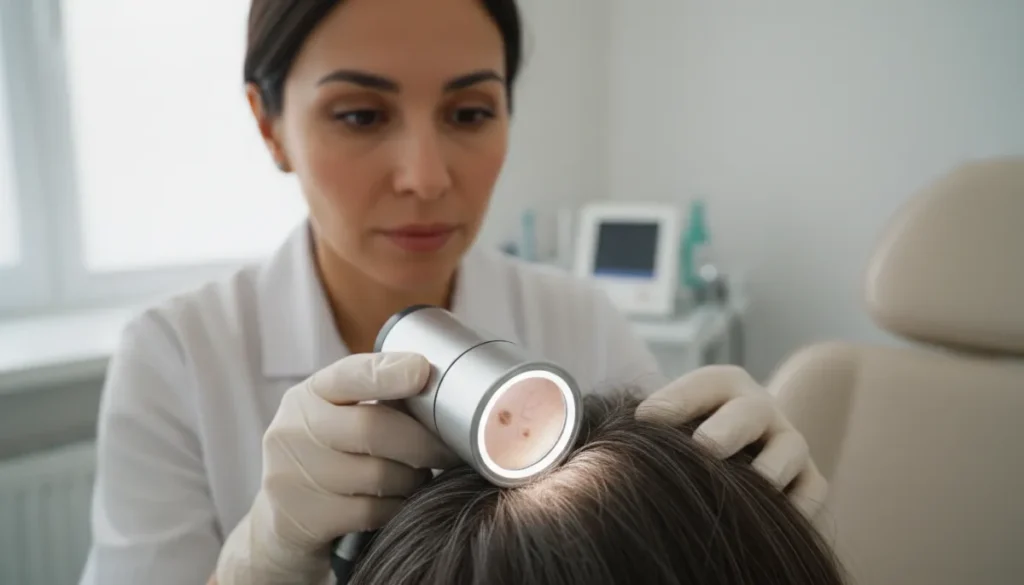
A qualified alopecia areata specialist will conduct a thorough clinical examination, often supplemented by a trichoscopic analysis to view follicular structures under magnification. In uncertain cases, a scalp biopsy may be performed to rule out other forms of hair loss such as scarring alopecia.
Early referral to a specialist is crucial. If you notice sudden patchy hair loss, persistent thinning, or a family history of autoimmune disease, schedule an appointment within a few weeks. Prompt diagnosis enables the use of targeted therapies that can halt progression and stimulate regrowth.
What Sets a Qualified Alopecia Areata Specialist Apart?
Not every dermatologist or hair clinic can claim expertise in alopecia areata. The most reputable specialists combine formal medical training with focused experience in autoimmune hair disorders.
Essential Credentials
- Board certification in dermatology or trichology.
- Additional fellowship or certification in hair disorders.
- Membership in professional societies such as the International Society of Hair Restoration Surgery (ISHRS) or the European Hair Research Society.
Experience Matters
Look for practitioners who have treated a high volume of alopecia areata cases, published research, or presented at conferences. Experience often translates into refined diagnostic skills and a broader therapeutic repertoire.
Patient‑Centric Approach
Top specialists prioritize transparent communication, personalized treatment plans, and realistic expectations. They should provide a clear timeline, discuss potential side effects, and offer follow‑up care.
| Qualification | Why It Matters |
|---|---|
| Board‑Certified Dermatologist | Ensures comprehensive medical training and adherence to clinical standards. |
| Hair‑Specific Fellowship | Demonstrates focused expertise in diagnosing and treating hair loss conditions. |
| Research Publications | Indicates active involvement in advancing treatment options. |
| Professional Society Membership | Provides access to the latest guidelines and peer collaboration. |
Treatment Options Offered by Leading Specialists
Effective management of alopecia areata often requires a combination of medical, topical, and procedural interventions. The choice of therapy depends on disease severity, patient age, and personal preferences.
Medical Therapies
- Corticosteroid injections – Directly suppress local immune response.
- Topical corticosteroids – Applied to affected areas for milder cases.
- Topical immunotherapy (e.g., diphencyprone) – Triggers a mild allergic reaction to divert immune activity.
- JAK inhibitors (oral or topical) – Emerging treatments that target specific immune pathways.
Procedural Options
When medical therapy yields limited regrowth, some specialists incorporate hair restoration techniques to improve cosmetic outcomes.
- Follicular Unit Extraction (FUE) – Harvests healthy follicles from a donor area and transplants them to bald patches.
- Direct Hair Implantation (DHI) – Similar to FUE but uses a pen‑style device for precise placement.
- Scalp micro‑pigmentation – Creates the illusion of density using pigment dots.
Adjunctive Care
Supportive measures such as low‑level laser therapy, platelet‑rich plasma (PRP) injections, and nutritional counseling can enhance overall hair health and complement primary treatments.
Choosing the right combination often involves a trial period, regular monitoring, and adjustments based on response. A seasoned specialist will guide you through each step, ensuring safety and optimal results.
Choosing the Right Specialist: Questions to Ask and Red Flags
Finding a trustworthy alopecia areata specialist can feel overwhelming. Use the following checklist to evaluate potential providers.
Key Questions to Ask
- What are your specific qualifications and years of experience treating alopecia areata?
- Can you explain the diagnostic process you use, including any imaging or biopsy?
- Which treatment modalities do you recommend for my case, and why?
- What is the expected timeline for visible regrowth, and how will progress be measured?
- Do you offer follow‑up appointments and support for side‑effect management?
Red Flags to Watch For
- Lack of board certification or vague credentials.
- Guarantees of permanent cure without evidence.
- Pressuring you into expensive procedures without exploring medical options first.
- Poor communication, such as delayed responses or unclear explanations.
Remember, a reputable specialist will be transparent about success rates, potential risks, and realistic outcomes. Trust your instincts—if something feels off, continue your search.
The Role of Turkey’s Hair Restoration Centers in Alopecia Care
Turkey has emerged as a global hub for advanced hair restoration, attracting patients seeking high‑quality care at competitive prices. Clinics in Istanbul, including Gold City Hair, combine state‑of‑the‑art facilities with experienced teams that specialize in both medical and surgical treatments for alopecia areata.
Why Patients Choose Turkish Centers
- Access to internationally trained hair transplant surgeons with extensive FUE and DHI experience.
- Comprehensive packages that include accommodation, transportation, and post‑procedure follow‑up.
- Regulatory standards that ensure safety, sterility, and ethical practice.
- Positive outcomes documented in numerous patient testimonials and clinical studies.
Integrating Medical and Surgical Care
Leading Turkish clinics adopt a multidisciplinary approach: dermatologists assess autoimmune activity, while surgeons address permanent hair loss through transplantation. This synergy maximizes regrowth potential and minimizes the need for repeated procedures.
For patients with alopecia areata, the combination of targeted immunotherapy and precision hair transplant can deliver both disease control and aesthetic restoration, resulting in lasting confidence.
Why Choose Gold City Hair
Gold City Hair has been delivering personalized hair restoration solutions in Turkey since 2017. Our team of board‑certified dermatologists and experienced surgeons specializes in FUE, DHI, and eyebrow/beard transplants, while also offering comprehensive medical management for alopecia areata. We prioritize transparent communication, detailed treatment planning, and post‑procedure support to ensure each patient achieves natural‑looking results and renewed confidence.
Ready to take the next step toward regaining your hair and confidence? Contact Gold City Hair today to schedule a confidential consultation with our alopecia areata specialists. Experience a tailored treatment plan that combines medical expertise with cutting‑edge transplantation techniques.
FAQ
What is alopecia areata and how does it cause hair loss?
Alopecia areata is an autoimmune disorder where the immune system attacks hair follicles, leading to sudden, patchy hair loss.
How can I know if I need to see an alopecia areata specialist?
If you notice sudden patchy hair loss, persistent thinning, or have a family history of autoimmune disease, schedule an appointment with a specialist promptly.
What qualifications should I look for in an alopecia areata specialist?
Look for board certification in dermatology or trichology, fellowship or additional training in hair disorders, and active membership in professional societies.
What medical treatments are available for alopecia areata?
Options include corticosteroid injections, topical steroids, topical immunotherapy, and newer JAK inhibitor therapies.
How do hair transplant procedures like FUE and DHI help alopecia areata patients?
FUE and DHI relocate healthy follicles to bald areas, providing permanent cosmetic improvement after disease stabilization.
Why choose a Turkish hair restoration clinic such as Gold City Hair for alopecia areata treatment?
Turkey offers internationally trained surgeons, comprehensive packages, and high‑quality care at competitive prices, making it a popular destination for combined medical and surgical alopecia treatment.





