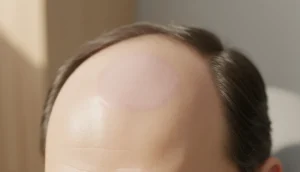
When alopecia fingernails connections appear, many people focus only on hair loss and overlook the subtle clues on their nails. Understanding these nail changes can reveal important information about overall health and the type of alopecia a person may have. In fact, studies show that up to 30% of individuals with alopecia areata notice alterations in nail texture or color before hair loss becomes pronounced.
This article explains the relationship between alopecia and nail abnormalities, describes the most common nail signs, and outlines when professional evaluation is needed. We also discuss practical treatment options and everyday habits that support both hair and nail resilience. Whether you are experiencing nail pitting, Beau’s lines, or unexpected ridges, recognizing these patterns empowers you to seek timely care and maintain confidence.
By the end of this guide, you will be equipped with the knowledge to differentiate normal nail variations from those linked to alopecia, and you’ll understand how a comprehensive approach—combining medical insight with proper nail care—can improve your overall appearance.
Understanding Alopecia and Its Impact on Nails
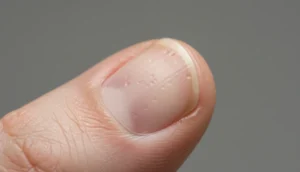
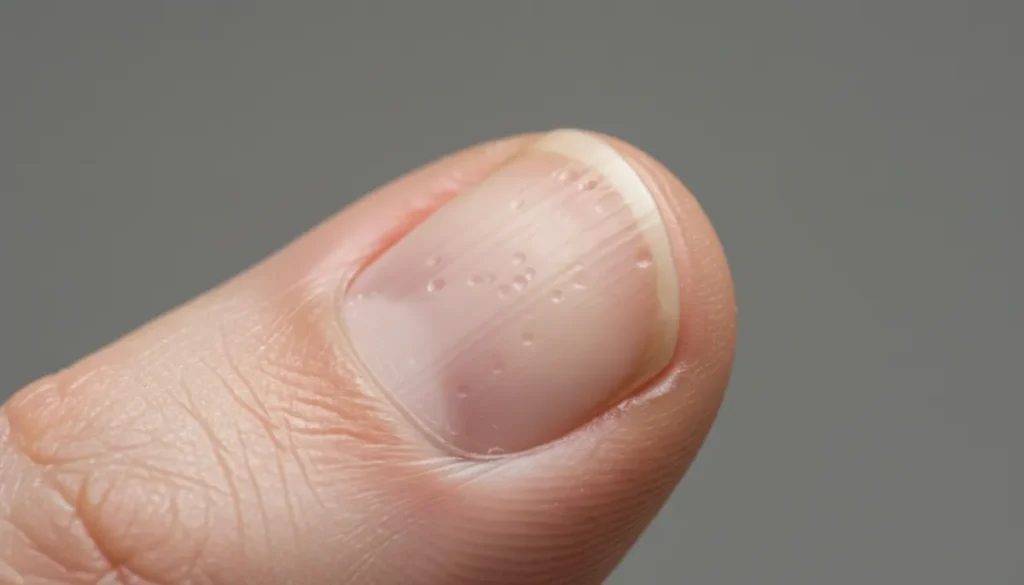
Alopecia is an autoimmune condition that primarily attacks hair follicles, but its effects can extend to the nail matrix, leading to visible changes on the fingernails. The most common form associated with nail alterations is alopecia areata, which can cause nail pitting, white spots, and transverse lines known as Beau’s lines. Less frequently, totalis and universalis variants may produce more extensive nail involvement, including ridges and even onycholysis (detachment of the nail from the nail bed).
Key mechanisms include inflammation of the nail matrix and disruption of keratin production. When the matrix is inflamed, the nail plate may develop shallow depressions (pitting) or irregular growth patterns, resulting in horizontal or vertical ridges. Recognizing these signs early can help clinicians confirm an alopecia diagnosis and tailor treatment accordingly.
- Hair follicle attack → autoimmune response.
- Inflammation spreads to nail matrix.
- Altered keratin leads to pitting, ridges, and lines.
Common Nail Manifestations Linked to Alopecia
Several distinct nail abnormalities are frequently reported by individuals with alopecia. Understanding each pattern helps differentiate alopecia-related changes from other nail disorders caused by nutrition deficiencies or trauma.
Typical Signs
| Sign | Description | Associated Alopecia Type |
|---|---|---|
| Nail Pitting | Small depressions on the nail surface | Alopecia areata |
| Beau’s Lines | Horizontal indentations across the nail plate | Severe alopecia areata or systemic stress |
| Ridges (Vertical/Horizontal) | Linear elevations or depressions | Chronic inflammation, alopecia totalis |
| Koilonychia | Spoon-shaped, thin nails | Rare, may indicate iron deficiency alongside alopecia |
| Clubbed Nails | Bulbous distal nail tip | Uncommon, usually linked to systemic disease |
Other less common findings include leukonychia (white spots) and Terry’s nails, which present a white distal band with a pinkish proximal area. While these signs can appear in isolation, their presence alongside hair loss strongly suggests an autoimmune component.
When to Seek Medical Evaluation
Not every nail irregularity requires a dermatologist, but certain patterns combined with hair loss merit prompt professional attention. Early assessment can prevent permanent nail damage and guide effective alopecia treatment.
Red Flags
- Sudden appearance of multiple Beau’s lines.
- Progressive nail pitting accompanied by expanding bald patches.
- Persistent white lines (Mees’ lines) that do not fade as the nail grows.
- Pain, swelling, or discoloration around the nail bed.
- Concurrent systemic symptoms such as fatigue or unexplained weight loss.
If you notice any of these indicators, schedule a consultation with a dermatologist or a trichologist experienced in autoimmune hair disorders. They may perform a nail clipping analysis, blood work for autoimmune markers, and a scalp examination to determine the best course of action.
Treatment Options for Nail Changes Caused by Alopecia
Addressing nail abnormalities often involves a dual approach: managing the underlying autoimmune activity and providing direct nail care. Treatment plans are individualized based on the severity of both hair loss and nail involvement.
Systemic Therapies
- Topical corticosteroids applied to the nail matrix can reduce inflammation and improve pitting.
- Oral corticosteroids or JAK inhibitors may be prescribed for extensive alopecia, which can also lessen nail changes.
- Supplementation with biotin, zinc, and iron supports keratin synthesis and may reduce ridges.
Local Nail Care
- Keep nails trimmed short to minimize snagging.
- Moisturize cuticles with fragrance‑free ointments to prevent dryness.
- Avoid harsh chemicals; use mild, non‑acrylic nail polish if desired.
- Apply a protective barrier cream before exposure to water for prolonged periods.
In cases where nail damage is pronounced, a dermatologist might recommend temporary use of nail hardeners or even a short course of topical immunotherapy to reset nail growth.
Maintaining Healthy Nails During Hair Restoration
For patients undergoing hair transplantation at Gold City Hair, preserving nail integrity complements the overall aesthetic outcome. Healthy nails reflect systemic well‑being and can boost confidence throughout the recovery period.
Nutrition and Lifestyle
- Consume a balanced diet rich in protein, omega‑3 fatty acids, and vitamins A, C, D, and E.
- Stay hydrated; adequate water intake supports nail flexibility.
- Limit exposure to smoking and excessive alcohol, both of which impair keratin formation.
- Incorporate gentle hand exercises to promote blood circulation to the nail matrix.
Regular follow‑up appointments with your hair restoration specialist allow for monitoring of both scalp and nail health. Adjustments to medication, supplementation, or after‑care routines can be made promptly, ensuring optimal results for both hair and fingernails.
Why Choose Gold City Hair for Your Hair and Nail Health Journey
Gold City Hair combines cutting‑edge hair restoration techniques with a holistic view of patient well‑being. Since 2017, our team has delivered personalized FUE and DHI transplants while offering guidance on related concerns such as nail health. Transparent communication and a commitment to natural results ensure that each client receives comprehensive care that supports confidence from scalp to fingertip.
Ready to restore both your hair and nail confidence? Contact Gold City Hair today to schedule a personalized consultation and discover a treatment plan tailored to your unique needs.
FAQ
What nail changes are associated with alopecia areata?
Alopecia areata commonly causes nail pitting, white spots, Beau’s lines, and sometimes ridges or onycholysis.
How can I tell if my nail issues are related to alopecia or another condition?
Look for nail changes that occur together with hair loss, especially pitting, Beau’s lines, or ridges, and consider recent stress or systemic illness.
When should I see a dermatologist for nail problems linked to alopecia?
Seek professional care if you notice sudden Beau’s lines, progressive pitting with expanding bald patches, pain, swelling, or persistent white lines.
What treatments are effective for alopecia‑related nail abnormalities?
Effective options include topical corticosteroids, oral corticosteroids or JAK inhibitors, and supportive nail care with biotin, zinc, and iron supplementation.
Can supplements like biotin improve nail health in alopecia patients?
Yes, biotin, along with zinc and iron, can strengthen keratin production and may reduce nail ridges and brittleness.
How does hair restoration surgery affect nail health?
Hair restoration itself does not harm nails, but post‑procedure care and nutrition support both scalp and nail recovery.