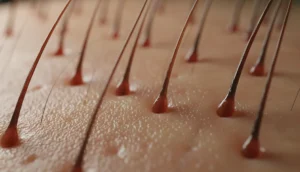
Many people wonder what causes bald patches, and the answer lies in a variety of factors that affect the scalp and hair follicles. Whether you notice a single spot or multiple areas of thinning, identifying the root cause is essential for effective treatment.
In this article we explore the most common medical conditions, lifestyle influences, hormonal and genetic contributors, and the signs that indicate professional evaluation is needed. By the end, you’ll have a clear roadmap to pinpoint the reason behind your hair loss and the steps you can take toward restoration.
According to dermatological studies, up to 30% of adults experience at least one episode of localized hair loss in their lifetime, making understanding these triggers more important than ever.
Common Medical Conditions Behind Bald Patches
Several dermatological disorders directly lead to the formation of bald patches. Recognizing these conditions helps differentiate temporary shedding from chronic alopecia.
Alopecia areata is an autoimmune disease where the immune system attacks hair follicles, causing round, smooth bald spots. Androgenetic alopecia, often called male or female pattern baldness, can also produce patchy thinning, especially along the crown and temples. Telogen effluvium occurs when a large number of hairs enter the resting phase simultaneously, often after stress, illness, or medication changes, resulting in diffuse patches.
| Condition | Typical Appearance | Onset Age | Key Triggers |
|---|---|---|---|
| Alopecia Areata | Round, smooth bald spots | Any age | Autoimmune response |
| Androgenetic Alopecia | Receding hairline, crown thinning | Teens to 40s | Genetics, DHT |
| Telogen Effluvium | Diffuse shedding, patchy | After stress/illness | Hormonal shifts, medication |
| Scarring Alopecia | Irregular, scarred patches | Variable | Inflammation, infection |
Other less common causes include fungal infections such as tinea capitis, which can create circular bald areas, and lupus erythematosus, where inflammation leads to patchy hair loss. If you notice sudden, well‑defined spots, a dermatologist can perform a scalp biopsy to confirm the diagnosis.
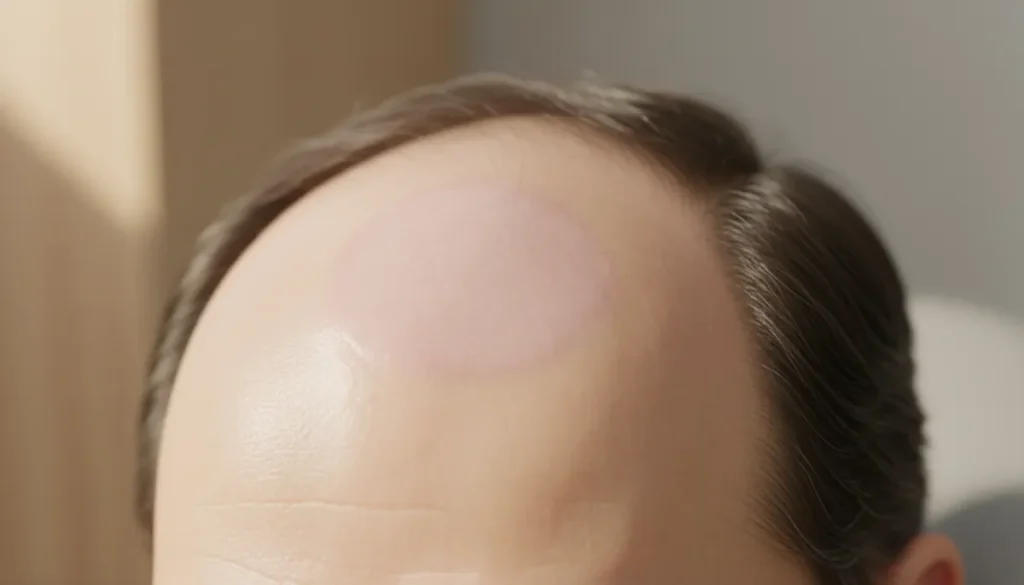
Lifestyle and External Factors That Contribute
Beyond medical diagnoses, everyday habits and environmental exposures can trigger or worsen bald patches. Understanding these factors empowers you to make preventive changes.
- Stress: Chronic psychological stress elevates cortisol, which can push hair follicles into the telogen phase, leading to patchy shedding.
- Nutrition deficiencies: Inadequate intake of iron, zinc, vitamin D, and protein deprives follicles of essential building blocks.
- Harsh hair care: Frequent use of high‑heat styling tools, tight ponytails, or chemical relaxers can cause traction alopecia, where constant pulling creates localized bald spots.
- Environmental pollutants: Exposure to chlorine, heavy metals, or excessive UV radiation can damage the scalp’s protective barrier.
- Smoking: Nicotine reduces blood flow to hair follicles, accelerating hair loss and contributing to patch formation.
Implementing simple lifestyle adjustments often yields noticeable improvement. For example, incorporating iron‑rich foods like spinach and lentils, reducing heat styling, and practicing stress‑relief techniques such as meditation can restore the hair growth cycle within a few months.
Hormonal Influences and Genetic Predisposition
Hormones play a pivotal role in hair growth regulation. Imbalances in androgen levels, especially dihydrotestosterone (DHT), shrink hair follicles and can create distinct bald patches, particularly on the crown and frontal scalp.
Genetic predisposition determines how sensitive your follicles are to DHT. Men with a family history of early‑onset baldness often experience androgenic alopecia that begins as small patches before expanding. Women may notice thinning along the part line, which can also appear as isolated patches when hormonal shifts occur during menopause or polycystic ovary syndrome (PCOS).
| Factor | Effect on Hair | Typical Patch Location |
|---|---|---|
| Elevated DHT | Follicle miniaturization | Crown, temples |
| Thyroid imbalance | Disrupted growth cycle | Diffuse, may form patches |
| PCOS (women) | Increased androgen activity | Frontal hairline, part line |
| Menopause | Reduced estrogen protection | Overall thinning, patchy |
Blood tests that measure hormone levels, combined with a family history review, help clinicians determine whether hormonal therapy, topical treatments, or hair transplantation is the most appropriate solution.
When to Seek Professional Evaluation
While occasional shedding is normal, certain signs indicate that medical attention is warranted to prevent permanent bald patches.
- Rapid onset: Sudden appearance of a well‑defined bald spot within weeks.
- Associated symptoms: Scalp itching, redness, or pain alongside hair loss.
- Family history: Early‑onset pattern baldness in close relatives.
- Failure to regrow: No improvement after addressing lifestyle factors for three months.
- Underlying health issues: Recent illness, medication changes, or hormonal disorders.
A qualified dermatologist or hair restoration specialist will conduct a thorough examination, which may include dermoscopy, blood panels, and possibly a scalp biopsy. Early diagnosis not only clarifies what causes bald patches in your specific case but also expands the range of effective treatments—from topical minoxidil and oral finasteride to advanced procedures such as Follicular Unit Extraction (FUE) and Direct Hair Implantation (DHI).
Choosing a clinic with a proven track record ensures you receive personalized care, transparent communication, and state‑of‑the‑art techniques tailored to your unique hair loss pattern.
Why Choose Gold City Hair
At Gold City Hair, we combine years of expertise with cutting‑edge FUE and DHI techniques to deliver natural‑looking results. Since 2017, our team has helped countless clients overcome the distress of bald patches through personalized treatment plans and transparent communication. Our clinic in Turkey offers a comfortable environment, state‑of‑the‑art facilities, and a commitment to your confidence and satisfaction.
Ready to restore your hair and confidence? Contact Gold City Hair today to schedule a free, no‑obligation consultation. Let our specialists design a custom solution that targets the exact cause of your bald patches.
FAQ
What are the most common medical conditions that cause bald patches?
The most frequent medical causes are alopecia areata, androgenetic alopecia, telogen effluvium, and scarring alopecia.
How does chronic stress contribute to patchy hair loss?
Stress raises cortisol levels, pushing hair follicles into the telogen (resting) phase and causing shedding that can appear as bald patches.
Can nutritional deficiencies lead to bald patches?
Yes, lacking iron, zinc, vitamin D, or protein can deprive follicles of essential nutrients, resulting in localized hair loss.
What hormonal factors influence the development of bald patches?
Elevated DHT, thyroid imbalances, and conditions like PCOS or menopause can trigger patchy hair loss.
When should I see a dermatologist for bald patches?
Seek professional help if patches appear rapidly, are painful or itchy, have a family history, or do not improve after three months of lifestyle changes.
What treatment options are available for bald patches?
Options include topical minoxidil, oral finasteride, steroid injections, platelet‑rich plasma, and surgical methods such as FUE or DHI.
How does traction alopecia develop and can it be reversed?
Traction alopecia results from constant pulling of hair with tight styles, leading to localized loss that can improve if the stress is removed early.
Is FUE or DHI more effective for treating bald patches?
Both FUE and DHI are effective; DHI offers slightly higher graft survival because follicles are implanted immediately after extraction.