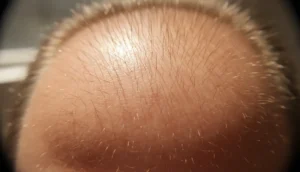
Women experiencing androgenetic alopecia often wonder why their hair is thinning despite a healthy lifestyle. This form of hair loss, sometimes called female pattern hair loss, affects millions worldwide and can impact confidence and self‑image. Recent studies suggest that up to 40 % of women will notice some degree of thinning by the age of 50, making early awareness essential.
In this article we explore the underlying mechanisms, how to spot the first signs, and the range of treatment options—from topical medications to state‑of‑the‑art hair transplant procedures. Whether you are looking for medical advice or considering a permanent solution, understanding the condition empowers you to make informed decisions.
We will also highlight why Gold City Hair, a leading clinic in Turkey, is uniquely positioned to help women restore a natural‑looking hairline with personalized care and transparent communication.
What Is Androgenetic Alopecia in Women?
Androgenetic alopecia in women is a hereditary condition characterized by progressive thinning of the scalp hair, typically beginning at the part line and expanding outward. Unlike male pattern baldness, women rarely develop a completely bald crown; instead, the hair becomes finer and less dense, especially over the top of the head.
The condition is driven by a combination of genetic predisposition and hormonal influences, particularly the sensitivity of hair follicles to dihydrotestosterone (DHT). While men have higher circulating testosterone levels, women can still experience follicular mini‑aturization due to increased androgen receptor activity.
- Genetics: A family history of hair loss significantly raises risk.
- Hormones: Fluctuations during menopause, polycystic ovary syndrome (PCOS), or thyroid disorders can accelerate thinning.
- Age: The prevalence rises sharply after the age of 35.
Understanding these factors helps clinicians tailor treatment plans that address both the root cause and the visible symptoms.

Recognizing Early Signs and Getting a Proper Diagnosis
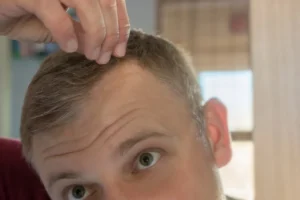
Early detection of androgenetic alopecia in women can prevent more extensive thinning and broaden treatment options. Common warning signs include a widening part, increased shedding during washing, and a noticeable reduction in hair volume on the top of the scalp.
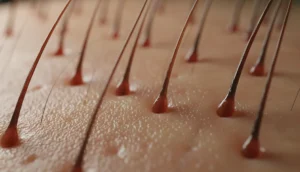
Dermatologists typically perform a thorough clinical examination, often supplemented by a trichoscopic analysis. This non‑invasive tool magnifies the scalp to reveal miniaturized hairs, perifollicular inflammation, and the characteristic “yellow dots” associated with the condition.
| Diagnostic Tool | Purpose | Typical Findings |
|---|---|---|
| Physical Examination | Assess pattern of thinning | Diffuse thinning, widened part line |
| Trichoscopy | Visualize follicle health | Miniaturized hairs, yellow dots |
| Blood Tests | Rule out hormonal or nutritional causes | Thyroid levels, ferritin, androgen profile |
When hormonal imbalances are suspected, additional labs—such as serum testosterone, DHEA‑S, and estrogen levels—may be ordered. A comprehensive diagnosis ensures that treatment targets the specific drivers of hair loss, rather than applying a one‑size‑fits‑all approach.
Medical and Surgical Treatment Options
Several evidence‑based therapies can slow or reverse hair loss in women with androgenetic alopecia. The choice of treatment depends on the severity of thinning, underlying hormonal factors, and the patient’s personal preferences.
Topical and Oral Medications
- Minoxidil 5%: The only FDA‑approved topical solution for women, it prolongs the anagen phase and increases follicular size.
- Finasteride (off‑label): Though primarily used in men, low‑dose regimens may benefit women after careful hormonal evaluation.
- Spironolactone: An anti‑androgen that reduces DHT activity, particularly useful for those with PCOS.
Low‑Level Laser Therapy (LLLT)
LLLT devices emit red light that stimulates cellular metabolism in hair follicles, promoting thicker growth. Clinical trials report a 30‑40 % improvement in hair density after six months of consistent use.
Surgical Options: Hair Transplant Techniques
For women with stable hair loss, follicular unit extraction (FUE) and direct‑hair‑implantation (DHI) provide permanent, natural‑looking results. These procedures relocate healthy donor hairs—typically from the occipital scalp—to thinning zones, preserving the original hair direction and angle.
| Technique | Key Benefits | Typical Recovery Time |
|---|---|---|
| FUE | Minimally invasive, no linear scar | 7‑10 days |
| DHI | Higher graft survival, precise placement | 5‑8 days |
When performed by experienced surgeons, hair transplantation can achieve a density of 35‑45 grafts per cm², restoring a natural hairline that blends seamlessly with existing hair.
Lifestyle Adjustments and Home Care Strategies
While medical treatments address the physiological aspects of androgenetic alopecia, lifestyle choices can support overall scalp health and improve treatment outcomes.
Nutrition for Stronger Hair
- Protein: Essential for keratin synthesis; include lean meats, legumes, and dairy.
- Iron & Zinc: Deficiencies are linked to increased shedding; incorporate leafy greens, nuts, and seeds.
- Omega‑3 Fatty Acids: Anti‑inflammatory properties aid follicle health; found in fish, flaxseed, and walnuts.
Scalp Care Routine
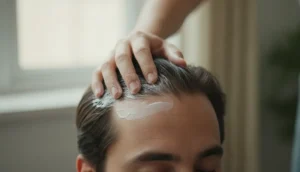
Gentle cleansing with sulfate‑free shampoos reduces irritation. Periodic scalp massages using fingertips or a soft brush can increase local blood flow, encouraging nutrient delivery to hair follicles.
Stress Management
Chronic stress elevates cortisol levels, which may exacerbate hair thinning. Practices such as yoga, meditation, and regular exercise have been shown to lower stress hormones and improve overall hair vitality.
Adopting these habits alongside professional therapy creates a holistic approach that maximizes the likelihood of regaining fuller hair.
Choosing the Right Hair Restoration Clinic
When you decide to pursue a permanent solution, selecting a reputable clinic is crucial. Look for a center that offers transparent communication, personalized treatment plans, and a proven track record in female hair restoration.
Key considerations include:
- Surgeon Experience: Specialists with extensive FUE/DHI experience in women’s pattern hair loss.
- Facility Standards: Accredited surgical suites, modern equipment, and strict hygiene protocols.
- Post‑Procedure Support: Comprehensive follow‑up care, including medication management and scalp care guidance.
By evaluating these factors, you can ensure a safe, effective, and satisfying hair restoration journey.
Why Choose Gold City Hair
Gold City Hair has been delivering personalized hair restoration solutions in Turkey since 2017. Our clinic combines advanced FUE and DHI techniques with a patient‑first philosophy, ensuring each woman receives a treatment plan tailored to her unique pattern of hair loss. Transparent communication, state‑of‑the‑art facilities, and a commitment to natural‑looking results make us a trusted partner for women seeking confidence‑boosting hair restoration.
Ready to take the next step toward fuller, healthier hair? Contact Gold City Hair today to schedule a confidential consultation and discover a customized plan that fits your lifestyle and goals.
FAQ
What are the early signs of androgenetic alopecia in women?
Early signs include a widening part, increased shedding during washing, and reduced hair volume on the top of the scalp.
How is androgenetic alopecia diagnosed in women?
Diagnosis combines a physical exam, trichoscopy, and blood tests to rule out hormonal or nutritional causes.
What medical treatments are available for female pattern hair loss?
Topical minoxidil, oral spironolactone, low‑level laser therapy, and off‑label finasteride are common options.
Can hair transplantation be performed on women with androgenetic alopecia?
Yes, techniques like FUE and DHI can provide permanent, natural‑looking results for stable female hair loss.
What lifestyle changes support hair health in women with androgenetic alopecia?
A balanced diet rich in protein, iron, zinc, and omega‑3s, gentle scalp care, and stress management improve outcomes.