The telogen bulb is a small but crucial component of every hair strand, marking the resting phase of the hair cycle. While many people focus on visible hair loss, understanding this microscopic structure helps explain why hair sheds, why it sometimes fails to grow, and how targeted treatments can restore confidence. In this article we explore the anatomy of the telogen bulb, its connection to telogen effluvium, and practical steps you can take to support healthy regrowth.
Every day, the average scalp loses about 50 to 100 hairs—a normal part of the cycle that begins with the telogen bulb. However, stress, hormonal shifts, or nutritional deficiencies can push a larger number of follicles into the telogen phase, leading to noticeable thinning. Recognizing the signs early can prevent prolonged shedding and improve outcomes for both medical and surgical hair restoration.
We’ll break down the science behind the telogen bulb, discuss how it relates to common forms of hair loss, and outline evidence‑based strategies—including lifestyle adjustments and advanced transplant techniques—to keep your follicles thriving.
What Is the Telogen Bulb and How Does It Fit Into the Hair Cycle?
The hair follicle is a dynamic organ that cycles through three main phases: anagen (growth), catagen (transition), and telogen (rest). The telogen bulb represents the follicle’s dormant state, where the hair shaft is fully formed but not actively elongating. During this period, the follicle is attached to the scalp by a small, club‑shaped structure that eventually detaches, allowing the hair to fall out naturally.
Key characteristics of the telogen bulb include:
- Shortened follicle length compared to the anagen phase.
- Reduced metabolic activity, conserving energy for the next growth cycle.
- A distinct “club” shape visible under microscopic examination.
Understanding where the telogen bulb sits in the cycle helps clinicians differentiate normal shedding from pathological loss. The table below compares the three phases:
| Phase | Duration | Follicle Appearance | Hair Shaft Activity |
|---|---|---|---|
| Anagen | 2–7 years | Long, deep follicle | Active keratin production |
| Catagen | 2–3 weeks | Shrinking, transitional bulb | Growth stops, apoptosis begins |
| Telogen | 2–4 months | Club‑shaped bulb (telogen bulb) | No growth; hair is shed |
When the telogen bulb completes its resting period, it re‑enters anagen, and a new hair shaft begins to emerge. Disruptions that prolong the telogen stage can increase the number of hairs shed daily, a hallmark of telogen effluvium.
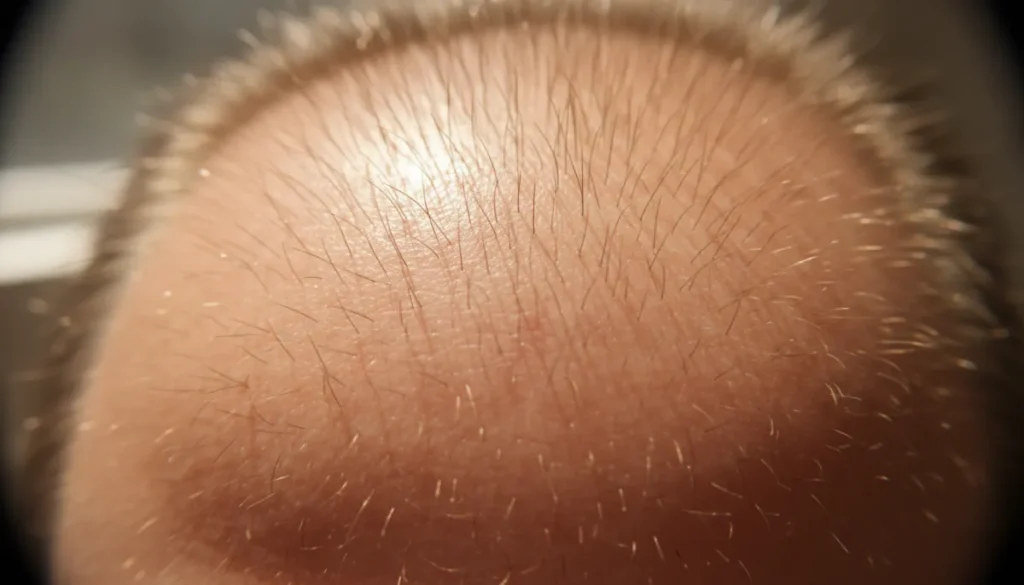
The Role of the Telogen Bulb in Telogen Effluvium and Common Hair‑Loss Triggers
Telogen effluvium is a condition where a disproportionate number of follicles enter the telogen phase, leading to diffuse shedding. The telogen bulb becomes the focal point of this process because it is the structure that detaches and falls out during the resting stage. Various stressors can precipitate this shift, including:
- Acute psychological stress – major life events or chronic anxiety.
- Physical stress – surgery, high fever, or severe illness.
- Hormonal changes – postpartum period, thyroid disorders.
- Nutritional deficiencies – iron, zinc, or protein shortage.
- Medications – anticoagulants, retinoids, or certain antidepressants.
Research shows that up to 30% of individuals experiencing a major stressor will notice increased hair loss telogen within two to three months. The underlying mechanism involves the body’s cortisol surge, which temporarily disrupts the hair follicle’s normal signaling pathways, pushing more follicles into the telogen stage.
Understanding that stress can cause hair loss helps patients address the root cause rather than merely treating the symptom. Lifestyle modifications—such as stress‑management techniques, balanced nutrition, and adequate sleep—can shorten the telogen period and reduce shedding.
Identifying Telogen Bulb Activity: Signs, Diagnosis, and When to Seek Help
Detecting an abnormal increase in telogen bulb activity does not require expensive equipment; several practical signs can alert you to a problem:
- Sudden increase in daily hair shedding (more than 100 hairs per day).
- Uniform thinning across the scalp rather than localized patches.
- Absence of visible scalp inflammation or scarring.
- Recent exposure to a known trigger (e.g., major surgery, severe illness).
When these signs appear, a dermatologist may perform a hair pull test or a trichogram, which involves examining plucked hairs under a microscope to count the proportion of telogen bulbs versus anagen hairs. A normal scalp typically shows 5–10% telogen bulbs; values above 20% suggest telogen effluvium.
Additional diagnostic tools include:
| Test | Purpose | What It Reveals |
|---|---|---|
| Hair Pull Test | Quick clinical assessment | Percentage of telogen bulbs shed |
| Trichogram | Microscopic analysis | Growth phase distribution of follicles |
| Scalp Biopsy | In‑depth investigation | Follicle health, inflammation, scarring |
If you notice persistent shedding or thinning, it is advisable to consult a hair‑loss specialist. Early intervention can prevent a temporary telogen shift from becoming a chronic issue, and it opens the door to personalized treatment plans.
Strategies to Support Telogen Bulb Health and Promote Regrowth
Maintaining a healthy telogen bulb environment hinges on both systemic wellness and targeted scalp care. Below are evidence‑based strategies that help the follicle transition smoothly back to the anagen phase:
Nutrition and Supplements
- Protein: Essential for keratin synthesis; aim for 1.2–1.5 g per kilogram body weight.
- Iron: Deficiency is linked to prolonged telogen phases; include lean red meat or fortified plant sources.
- Zinc and Biotin: Support enzyme activity involved in hair growth.
- Omega‑3 fatty acids: Reduce inflammation and improve scalp circulation.
Lifestyle Adjustments
- Stress Management: Practice mindfulness, yoga, or regular aerobic exercise.
- Sleep Hygiene: 7–9 hours of quality sleep per night supports hormonal balance.
- Avoid Harsh Treatments: Limit heat styling, tight hairstyles, and chemical processing that can irritate the follicle.
Topical and Medical Interventions
When lifestyle changes alone are insufficient, clinicians may recommend:
- Minoxidil: A vasodilator that prolongs the anagen phase.
- Low‑Level Laser Therapy (LLLT): Stimulates cellular activity within the follicle.
- Platelet‑Rich Plasma (PRP): Delivers growth factors that can shorten telogen duration.
- Targeted telogen effluvium treatment protocols based on underlying cause (e.g., thyroid medication, iron supplementation).
Combining these approaches often yields the best results, as they address both the systemic factors that push follicles into telogen and the local scalp environment that supports regrowth.
How Hair Transplant Techniques Address Issues Related to the Telogen Bulb
While many cases of telogen‑related shedding resolve with conservative care, some individuals experience persistent thinning that benefits from surgical restoration. Modern hair transplant methods—such as Follicular Unit Extraction (FUE) and Direct Hair Implantation (DHI)—work at the level of the hair follicle, ensuring that transplanted grafts contain healthy bulbs capable of re‑entering the anagen phase.
Key advantages of these techniques include:
- Precise extraction of follicles with intact telogen or anagen bulbs.
- Minimal donor‑site trauma, preserving surrounding follicles.
- Strategic placement that mimics natural growth patterns, reducing future telogen overload.
For patients whose telogen bulb health is compromised by chronic stress or hormonal imbalance, a comprehensive pre‑operative assessment is essential. Addressing underlying factors before transplantation improves graft survival and long‑term density.
At Gold City Hair, the team conducts thorough evaluations—including scalp analysis, blood work, and lifestyle review—to tailor a treatment plan that supports both the transplanted follicles and the existing telogen bulb population. This holistic approach maximizes natural‑looking results and reduces the risk of post‑operative shedding.
Why Choose Gold City Hair
Gold City Hair has been delivering personalized hair restoration solutions in Turkey since 2017. Our clinic combines state‑of‑the‑art FUE and DHI techniques with a compassionate, transparent patient journey. By focusing on the health of each hair follicle, we ensure that transplanted grafts—including those containing telogen bulbs—integrate seamlessly for natural, lasting results. Trust a team that values expertise, individualized care, and your confidence.
Ready to restore your hair and confidence? Contact Gold City Hair today to schedule a personalized consultation and discover the best plan for your unique needs.
Take the first step toward a fuller, healthier scalp—your journey starts now.
FAQ
What is the telogen bulb and why is it important?
The telogen bulb is the club‑shaped, resting part of a hair follicle that detaches during the shedding phase of the hair cycle.
How does telogen effluvium cause hair shedding?
Telogen effluvium forces a large number of follicles into the telogen phase, leading to diffuse shedding of hairs.
What are common triggers that push hair follicles into the telogen phase?
Stress, illness, hormonal shifts, nutrient deficiencies, and certain medications can all trigger a telogen shift.
How can I tell if I have increased telogen bulb activity?
Look for sudden daily shedding, uniform thinning, and consider a hair pull test or trichogram.
What lifestyle changes can support telogen bulb health?
Balanced nutrition, stress management, adequate sleep, and gentle hair care can help.
When is a hair transplant needed for telogen‑related hair loss?
When shedding persists despite conservative measures and results in permanent thinning, a transplant may be considered.