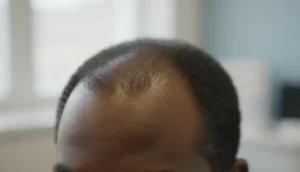
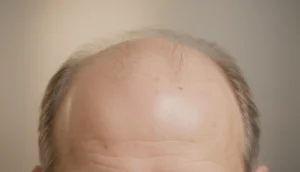
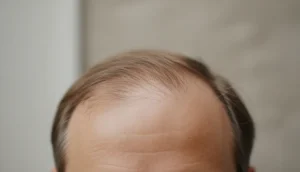
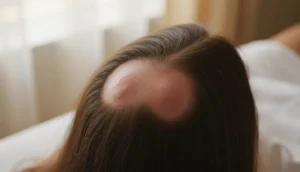
Many people notice middle part thinning when their hair appears less dense along the central line of the scalp. This specific pattern can be unsettling because it directly affects the way a hairstyle frames the face. Understanding the underlying reasons and exploring both cosmetic and medical remedies can help you regain confidence and a fuller look.
Hair loss affects up to 40 % of men and women by age 40, and a noticeable reduction at the middle part is often an early sign of broader thinning. While some attribute it to genetics, others find that styling habits, hormonal shifts, or scalp conditions play a significant role.
In this article we will examine the most common causes of middle part thinning, outline practical styling adjustments, discuss non‑surgical treatments, and explain when a hair transplant may be the most effective solution. By the end, you’ll have a clear roadmap for addressing this concern and choosing the right approach for your unique situation.
What Causes Middle Part Thinning?
Identifying the root cause of middle part thinning is essential before selecting a treatment plan. Several factors can contribute to reduced density along the central scalp line:
- Genetic predisposition: Androgenetic alopecia, commonly known as male or female pattern baldness, often begins with thinning at the crown and can spread toward the middle part.
- Hormonal changes: Fluctuations in dihydrotestosterone (DHT) can shrink hair follicles, leading to finer strands and visible gaps.
- Traction alopecia: Tight hairstyles that pull the hair toward the middle can cause stress on follicles, especially when combined with frequent styling.
- Scalp health: Conditions such as seborrheic dermatitis or fungal infections can weaken hair roots, accelerating thinning.
- Nutrition and stress: Deficiencies in iron, vitamin D, or chronic stress can trigger telogen effluvium, a temporary shedding phase that often shows up in the middle part.
Understanding whether your thinning is primarily alopecia‑related, a result of styling habits, or linked to overall health will guide the most effective intervention.
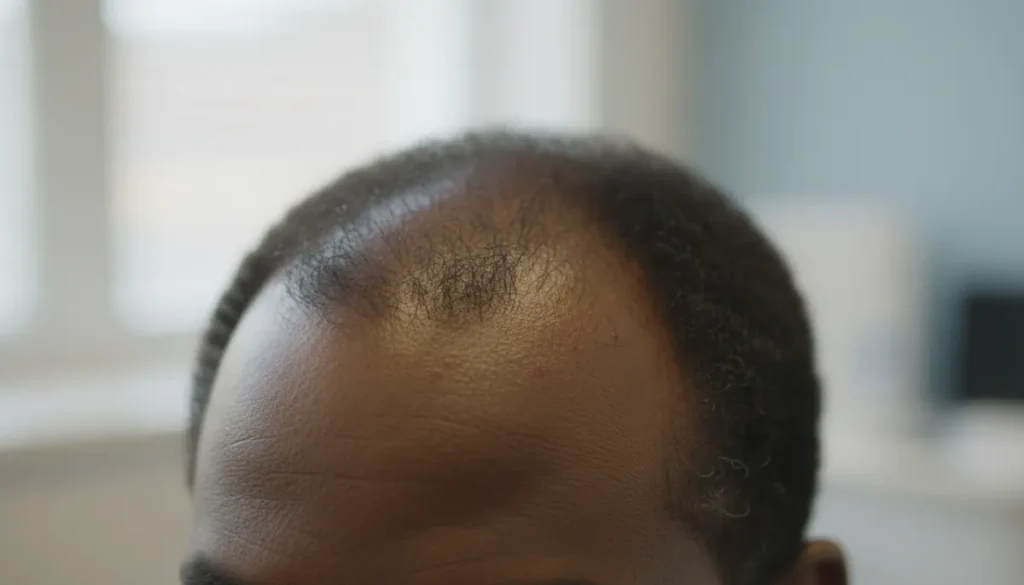
How to Diagnose and Assess Thinning at the Middle Part
Before pursuing any treatment, a thorough assessment helps determine the severity of middle part thinning and the underlying cause. Dermatologists and hair restoration specialists typically use a combination of visual examination, medical history, and diagnostic tools.
Clinical Examination
A specialist will examine the scalp under magnification to evaluate follicle miniaturization, the presence of inflammation, and the pattern of hair loss. This visual assessment often distinguishes between alopecia areata patches and diffuse thinning associated with androgenic factors.
Trichoscopy
Trichoscopy (scalp dermoscopy) provides a non‑invasive, magnified view of hair shafts and follicles. Key indicators include:
| Finding | Implication |
|---|---|
| Yellow dots | Possible alopecia areata or scarring alopecia |
| Miniaturized hairs | Androgenetic alopecia |
| Exclamation mark hairs | Active alopecia areata |
Blood Tests and Hormone Panels
Lab work can reveal iron deficiency, thyroid disorders, or elevated DHT levels—each of which may contribute to thinning hair. Addressing these systemic issues often improves overall hair health.
Combining these diagnostic steps creates a clear picture of why the middle part is losing density and which treatment pathway—cosmetic, medical, or surgical—offers the best chance of success.
Styling and Non‑Surgical Strategies to Hide or Reduce Thinning
While medical interventions are effective, many individuals prefer immediate, non‑invasive ways to improve the appearance of middle part thinning. Adjusting styling techniques, using volumizing products, and adopting healthy scalp practices can make a noticeable difference.
Haircut and Parting Techniques
- Shift the part: Moving the part slightly off‑center reduces the visual focus on the thinned area.
- Layered cuts: Adding layers creates movement and masks density loss.
- Shorter lengths: A bob or pixie cut can give the illusion of fuller hair by reducing the weight that pulls strands flat.
Products for Volume
Lightweight mousses, root‑lifting sprays, and texturizing powders add lift at the scalp without weighing hair down. Look for formulas containing rice protein or panthenol, which strengthen strands while providing body.
Scalp Care Routine
Regular gentle cleansing removes excess sebum that can clog follicles. Massaging the scalp for a few minutes daily stimulates blood flow, supporting follicle health. Incorporating a weekly deep‑conditioning mask with biotin or niacinamide can also improve hair shaft thickness.
These styling adjustments work best when combined with a balanced diet rich in protein, omega‑3 fatty acids, and vitamins A, C, and E—nutrients essential for healthy hair growth.
When to Consider Hair Transplant Options for Central Hair Loss
If non‑surgical measures fail to provide satisfactory results, or if the thinning progresses despite lifestyle changes, a hair transplant may become the most viable solution. Modern techniques such as Follicular Unit Extraction (FUE) and Direct Hair Implantation (DHI) can effectively restore density at the middle part.
Ideal Candidates
Good candidates typically have:
- Stable donor hair in the occipital region.
- Realistic expectations about coverage and recovery.
- Absence of active scalp infections or uncontrolled hormonal disorders.
Procedure Overview
During an FUE session, individual follicular units are harvested and transplanted into the thinning zone using micro‑incisions. DHI employs a specialized implanter pen that places grafts at precise angles, often yielding higher survival rates for delicate central scalp areas.
Recovery and Results
Patients usually experience mild redness and swelling for a few days. New hair growth becomes visible after 3‑4 months, with full density typically achieved by 12‑18 months. Proper post‑operative care, including gentle washing and avoiding direct sunlight, maximizes graft survival.
Choosing a reputable clinic ensures that the transplant is performed by experienced surgeons using the latest technology, which is crucial for achieving a natural look in the highly visible middle part region.
Choosing the Right Hair Restoration Technique
Not every transplant method suits every pattern of middle part thinning. Selecting the appropriate technique depends on factors such as hair type, scalp laxity, and the extent of density loss.
| Technique | Advantages | Considerations |
|---|---|---|
| FUE (Follicular Unit Extraction) | Minimally invasive, no linear scar, precise graft placement | Longer procedure time for large sessions |
| DHI (Direct Hair Implantation) | Higher graft survival, immediate angle control, ideal for fine hair | Requires specialized implanter device |
| Robotic FUE | Consistent extraction depth, reduced human error | Higher cost, limited availability |
For individuals with fine or thin hair in the central area, DHI often provides the most natural density because the implanter allows for shallow, angled placement that mimics natural growth patterns. Conversely, patients needing larger coverage may benefit from traditional FUE combined with strategic graft distribution.
Consultation with a qualified surgeon will include a personalized plan that maps out donor harvest, graft count, and the expected aesthetic outcome. This tailored approach ensures that the restored middle part blends seamlessly with surrounding hair, delivering a balanced and natural appearance.
Why Choose Gold City Hair
Gold City Hair has been a trusted leader in hair restoration since 2017, offering personalized FUE and DHI procedures performed by experienced surgeons in Turkey. Our clinic prioritizes transparent communication, comprehensive pre‑operative assessments, and post‑operative support to ensure each patient achieves natural, lasting results. With a focus on safety, cutting‑edge technology, and individualized care plans, we help you confidently address middle part thinning and regain a fuller appearance.
Ready to transform your middle part and restore confidence? Contact Gold City Hair today to schedule a personalized consultation and explore the best hair restoration solution for you.
FAQ
What are the main causes of middle part thinning?
Middle part thinning can result from genetics, hormonal changes, traction from hairstyles, scalp conditions, and nutritional or stress‑related factors.
How can I diagnose middle part thinning at home?
A basic self‑assessment involves checking scalp visibility, using a mirror to view the part, and noting any patterns of hair loss.
What non‑surgical methods help hide middle part thinning?
Styling adjustments, volumizing products, and scalp care routines can mask thinning without surgery.
When should I consider a hair transplant for middle part thinning?
If non‑surgical options fail and the thinning progresses, a transplant may be the most effective solution.
What is the difference between FUE and DHI for restoring the middle part?
FUE extracts grafts manually, while DHI uses an implanter pen for direct placement, offering higher survival for fine hair.
Why should I choose Gold City Hair for my hair restoration?
Gold City Hair offers experienced surgeons, personalized FUE/DHI plans, and comprehensive pre‑ and post‑operative care.