Many people wonder can alopecia areata go away without medical intervention. This autoimmune condition, which targets hair follicles, often appears suddenly as round, smooth patches of hair loss. While some individuals experience spontaneous regrowth, others face a more persistent pattern that may require professional care. In this article we explore the natural history of alopecia areata, the factors that influence its resolution, and the range of hair loss treatments available today. By understanding the condition’s behavior, you can make informed decisions about monitoring, self‑care, and when to seek specialist advice.
According to dermatology research, approximately 30% of patients see some degree of hair regrowth within the first year of onset. However, the likelihood of complete remission varies widely based on age, extent of involvement, and underlying health factors. Recognizing early signs and adopting supportive habits can improve outcomes, whether the condition resolves on its own or is aided by therapeutic measures.
Below we break down the science behind alopecia areata, examine its potential to disappear naturally, and outline practical steps you can take to foster a healthier scalp environment.
What Is Alopecia Areata and How It Affects the Scalp
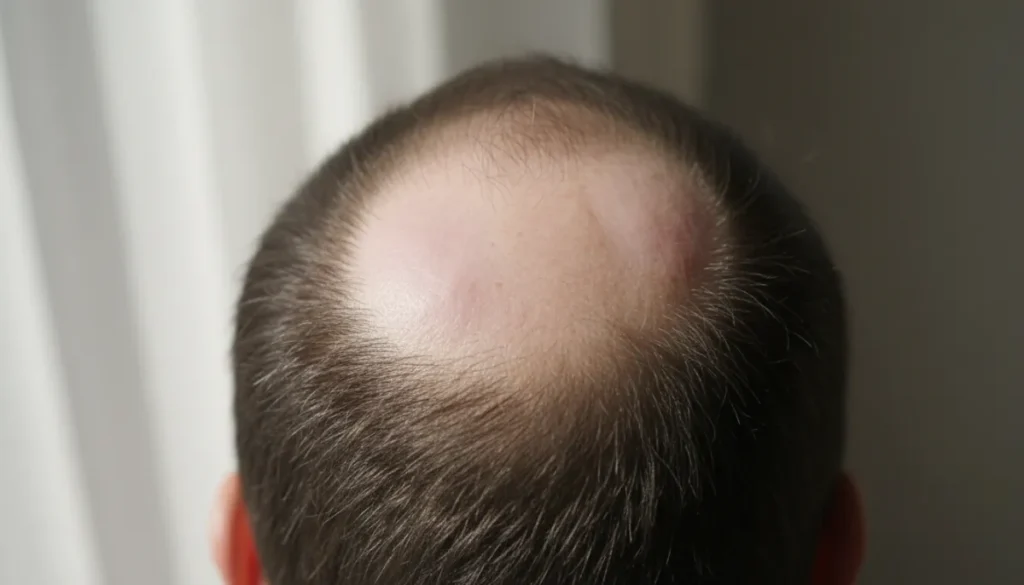
Alopecia areata is an autoimmune disorder in which the body’s immune system mistakenly attacks hair follicles, leading to sudden, patchy hair loss. The condition can affect the scalp, eyebrows, beard, and even body hair. While the exact trigger remains unclear, genetics, stress, and hormonal fluctuations are commonly cited contributors.
Typical signs include:
- Round or oval bald spots that may be smooth or slightly scaly.
- Exclamation‑mark hairs—short, broken hairs at the edge of a bald patch.
- Possible tingling or itching sensation before hair loss begins.
Because the immune response is localized, the rest of the scalp often remains unaffected, making the contrast between healthy and affected areas striking. Diagnosis is usually clinical, but a dermatologist may perform a scalp biopsy or blood tests to rule out other causes of hair loss such as thyroid disorders or nutritional deficiencies.
Understanding the underlying mechanism helps explain why some patients experience spontaneous regrowth while others develop more extensive forms, such as alopecia totalis (complete scalp loss) or alopecia universalis (total body hair loss).
Natural Course: Can Alopecia Areata Go Away Without Treatment?
The central question—can alopecia areata go away on its own—depends on several variables. Research indicates that about one‑third of patients see partial or full regrowth within 12 months, especially children and those with limited patch size. The immune system may recalibrate, allowing hair follicles to re‑enter the growth phase (anagen) without external aid.
Key factors influencing spontaneous remission include:
- Age: Younger individuals often have a higher chance of natural regrowth.
- Extent of hair loss: Smaller, isolated patches are more likely to resolve.
- Duration of the episode: Shorter disease duration correlates with better outcomes.
- Stress levels: Chronic stress can sustain the autoimmune attack, reducing the chance of remission.
Below is a simplified table summarizing typical remission probabilities based on age and patch size:
| Age Group | Patch Size (cm²) | Estimated Spontaneous Regrowth Rate |
|---|---|---|
| Under 18 | Less than 10 | 45‑55% |
| 18‑35 | Less than 10 | 30‑40% |
| Over 35 | Less than 10 | 20‑30% |
| Any age | Greater than 30 | Less than 15% |
While these figures are approximate, they illustrate that natural remission is possible but not guaranteed. If you notice early signs of regrowth—such as fine, colored hairs emerging from the edges of a bald spot—it may indicate that the condition is winding down. However, ongoing monitoring is essential because alopecia areata can be relapsing; new patches may appear even after previous ones have healed.
Medical Interventions That Influence Recovery
When spontaneous regrowth is unlikely or the condition persists, hair loss treatment options become crucial. Dermatologists often start with topical or intralesional corticosteroids, which suppress the localized immune response and can accelerate follicle recovery. Other evidence‑based therapies include:
- Topical immunotherapy (e.g., diphencyprone) – stimulates an allergic reaction that diverts the immune system.
- Oral JAK inhibitors (e.g., tofacitinib, ruxolitinib) – target specific pathways involved in the autoimmune attack.
- Anthralin – a synthetic, tar‑like compound applied to the scalp to modulate inflammation.
- Low‑level laser therapy (LLLT) – promotes circulation and cellular activity in hair follicles.
Each treatment carries its own risk‑benefit profile. For instance, corticosteroids may cause skin thinning with prolonged use, while JAK inhibitors require careful monitoring of blood counts and liver function. Combining therapies—such as a short course of steroids followed by topical immunotherapy—can improve success rates, especially in moderate to severe cases.
Beyond pharmacologic options, emerging research highlights the role of biologics and platelet‑rich plasma (PRP) injections in stimulating hair growth. While still under investigation, early trials show promising results for patients who have not responded to conventional methods.
Choosing the right approach depends on:
- Severity and distribution of hair loss.
- Patient age and overall health.
- Personal preferences regarding treatment frequency and potential side effects.
Consulting a qualified dermatologist ensures an individualized plan that maximizes the chance of regaining hair while minimizing adverse effects.
Lifestyle and Home Care Strategies to Support Hair Regrowth
Even when medical therapy is underway, everyday habits can influence the healing environment of the scalp. While these measures alone rarely cause alopecia areata to disappear, they complement clinical treatment and may improve overall outcomes.
Nutrition and Supplements
A balanced diet rich in vitamins and minerals supports follicle health. Key nutrients include:
- Biotin (Vitamin B7) – promotes keratin production.
- Vitamin D – low levels have been linked to autoimmune activity.
- Zinc – essential for cell growth and immune regulation.
- Omega‑3 fatty acids – reduce inflammation.
Before adding supplements, discuss dosages with a healthcare professional to avoid excess intake.
Stress Management
Stress is a known trigger for autoimmune flare‑ups. Incorporating relaxation techniques such as mindfulness meditation, yoga, or regular aerobic exercise can lower cortisol levels and potentially reduce the frequency of new hair‑loss episodes.
Scalp Care
Gentle cleansing with sulfate‑free shampoos helps maintain a healthy scalp microbiome. Avoid harsh chemicals, excessive heat styling, and tight hairstyles that may cause additional traction.
Some patients find modest benefit from natural topicals like rosemary oil or onion extract, though scientific evidence remains limited. Always perform a patch test to rule out irritation.
By integrating these lifestyle adjustments, you create a supportive backdrop for any medical regimen, increasing the odds of successful regrowth.
When to Seek Professional Help and What to Expect
If you notice that can alopecia areata go away without any sign of regrowth after three to six months, or if the bald patches are expanding, it is time to consult a specialist. Early professional intervention can prevent larger areas of loss and reduce the risk of progression to alopecia totalis or universalis.
During a typical consultation, the dermatologist will:
- Review your medical history and any family history of autoimmune disease.
- Examine the scalp and possibly perform a trichoscopic analysis to assess follicle activity.
- Order blood tests to rule out thyroid imbalance, iron deficiency, or other systemic contributors.
- Discuss treatment options tailored to the severity of your condition and personal preferences.
Follow‑up appointments are essential to monitor response and adjust therapy as needed. Many patients achieve noticeable regrowth within 3‑6 months of starting treatment, though maintenance therapy may be required to sustain results.
In cases where medical therapies fail to produce satisfactory regrowth, hair restoration surgery—such as Follicular Unit Extraction (FUE) or Direct Hair Implantation (DHI)—offers a permanent solution. These procedures transplant healthy follicles from a donor area to the balding zones, providing natural‑looking density.
Choosing the right clinic is critical. Look for a center with experienced surgeons, transparent communication, and a track record of ethical practice.
Why Choose Gold City Hair for Your Hair Restoration Journey
At Gold City Hair, we combine years of expertise with cutting‑edge techniques such as FUE, DHI, and eyebrow/beard transplants to deliver natural, lasting results. Since 2017, our team has prioritized personalized care, transparent communication, and meticulous planning for every client. Whether you are exploring medical options for alopecia areata or considering a surgical solution, our clinic in Turkey offers a supportive environment where confidence is restored one follicle at a time.
Ready to take the next step toward a fuller, healthier head of hair? Contact Gold City Hair today to schedule a confidential consultation and discover the most effective path for your unique situation.
FAQ
Can alopecia areata go away without treatment?
Yes, about one‑third of patients experience partial or full regrowth within the first year, especially children and those with small patches.
How long does spontaneous hair regrowth usually take?
Spontaneous regrowth can begin within a few weeks to several months, with noticeable hair often appearing after 3‑6 months.
What are the most effective treatments for alopecia areata?
Topical or intralesional corticosteroids, topical immunotherapy, and oral JAK inhibitors are among the most evidence‑based options.
When should I see a dermatologist for alopecia areata?
If you notice no regrowth after 3‑6 months, if patches are expanding, or if you have extensive hair loss, schedule a dermatologist visit promptly.
Does stress affect alopecia areata and its recovery?
Stress is a known trigger for flare‑ups and can hinder spontaneous remission, so managing stress may improve outcomes.
Can nutritional supplements help hair regrowth in alopecia areata?
Supplements like biotin, vitamin D, zinc, and omega‑3 fatty acids support follicle health, but they should complement, not replace, medical treatment.