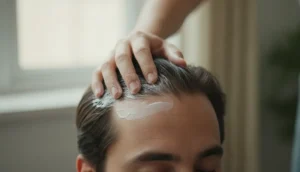
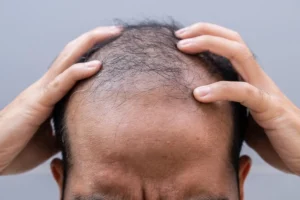
Many people wonder can poor diet cause hair loss and look for simple answers. While genetics and hormones play a major role, the food you eat provides the building blocks for healthy hair growth. In fact, research shows that up to 30% of hair‑related issues are linked to nutritional deficiencies.
This article examines how dietary choices affect the scalp and follicles, identifies the most common nutrient gaps, and offers practical guidance for improving hair health through nutrition. Whether you’re experiencing gradual thinning or sudden shedding, understanding the diet‑hair connection is the first step toward a fuller, stronger mane.
We’ll also discuss when diet alone may not be enough and when professional treatments, such as those offered by Gold City Hair, become a valuable option.
How Nutrition Impacts Hair Growth
Hair follicles are among the fastest‑growing cells in the body, and they rely on a steady supply of proteins, vitamins, and minerals. A balanced diet ensures that these essential nutrients reach the scalp, supporting the anagen (growth) phase and preventing premature shedding.
Key nutrients for hair health include:
- Protein: Provides keratin, the primary structural protein of hair.
- Iron: Facilitates oxygen transport to hair follicles.
- Zinc: Regulates hormone levels and supports DNA synthesis.
- Vitamin D: Influences hair follicle cycling.
- Biotin (Vitamin B7): Enhances keratin production.
- Omega‑3 fatty acids: Reduce inflammation and improve scalp circulation.
When any of these nutrients are lacking, the body prioritizes vital organs over hair, leading to slower growth and increased breakage. Consequently, the question can poor diet cause hair loss often receives a “yes” from clinicians.

Common Dietary Deficiencies Linked to Hair Loss
Several specific deficiencies have been directly associated with hair thinning and shedding. Identifying these gaps can help you target dietary changes or supplementation.
| Deficiency | Typical Symptoms | Hair‑Related Effects |
|---|---|---|
| Iron | Fatigue, pale skin | Diffuse thinning, especially on the scalp |
| Zinc | Hair brittleness, impaired wound healing | Hair loss in patches, slower regrowth |
| Vitamin D | Bone pain, mood changes | Reduced follicle activity, telogen effluvium |
| Biotin | Skin rashes, brittle nails | Hair thinning, increased shedding |
| Protein | Muscle loss, edema | Hair becomes thin, fragile, and may fall out |
Studies indicate that correcting these deficiencies can reverse hair loss in many cases. However, the underlying question remains: can poor diet cause hair loss beyond these specific gaps? The answer is often “yes,” because an overall inadequate diet can compound the impact of each individual shortfall.
Lifestyle Factors That Compound Poor Diet Effects
Even with a decent diet, certain lifestyle habits can magnify the risk of hair loss. Stress, smoking, and inadequate sleep disrupt hormonal balance and impair nutrient absorption, making the scalp more vulnerable.
Key lifestyle contributors include:
- Chronic stress – elevates cortisol, which can push hair follicles into the resting phase.
- Smoking – reduces blood flow to the scalp, limiting oxygen and nutrient delivery.
- Excessive alcohol – interferes with zinc and protein metabolism.
- Sleep deprivation – hampers the body’s repair mechanisms, including those for hair follicles.
When these factors coexist with an inadequate diet, the cumulative effect often accelerates shedding. Understanding that can poor diet cause hair loss is only part of the picture; holistic lifestyle adjustments are equally important.
When Diet Alone Isn’t Enough: Medical Causes of Hair Loss
While nutrition is a major factor, medical conditions can also trigger hair loss regardless of diet quality. Hormonal disorders, autoimmune diseases, and certain medications may lead to thinning even in well‑nourished individuals.
Common medical contributors include:
- Androgenetic alopecia: Genetic pattern baldness driven by DHT hormone.
- Alopecia areata: Autoimmune attack on hair follicles, causing patchy loss.
- Thyroid imbalances: Both hypothyroidism and hyperthyroidism affect hair growth cycles.
- Scalp infections: Fungal or bacterial conditions can damage follicles.
- Medications: Certain antidepressants, blood thinners, and chemotherapy agents.
If you have persistent hair loss despite improving your diet, it’s advisable to consult a dermatologist or a hair restoration specialist. Understanding the full spectrum of causes ensures that you receive the most effective treatment, whether nutritional, medical, or surgical.
Practical Steps to Strengthen Hair Through Diet
Whether you’re confirming that can poor diet cause hair loss or simply want to boost existing hair health, these actionable tips can make a difference.
Daily nutrition plan:
- Start the day with a protein‑rich breakfast: eggs, Greek yogurt, or a plant‑based protein shake.
- Include iron‑dense foods like lean red meat, lentils, or spinach at lunch.
- Snack on nuts and seeds (almonds, pumpkin seeds) for zinc and omega‑3s.
- Add fatty fish (salmon, mackerel) or flaxseed oil for essential fatty acids.
- Finish with a serving of vitamin‑D‑fortified dairy or a brief sun exposure.
Consider a daily multivitamin that contains biotin, vitamin D, and zinc if you struggle to meet needs through food alone. Hydration also supports scalp health—aim for at least 2 liters of water per day.
Finally, monitor progress. Hair growth cycles are slow; visible improvements often appear after 3–6 months of consistent nutritional changes.
Why Choose Gold City Hair
Gold City Hair combines cutting‑edge transplant techniques such as FUE and DHI with a personalized, transparent approach. Since 2017, we have helped clients regain confidence through natural‑looking results, supported by a team of experienced surgeons and dedicated care staff. Our clinic in Turkey offers state‑of‑the‑art facilities, ensuring safety, comfort, and optimal outcomes for every patient.
Ready to restore your hair and confidence? Contact Gold City Hair today for a personalized consultation and discover the most effective solution for your unique needs.
Take the first step toward a fuller, healthier head of hair—schedule your appointment now.
FAQ
Can a poor diet cause hair loss?
Yes, inadequate nutrition can lead to hair thinning and shedding because hair follicles need essential nutrients to grow.
Which nutrients are most important for preventing hair loss?
Protein, iron, zinc, vitamin D, biotin, and omega‑3 fatty acids are key for healthy hair growth.
How can I tell if I have a nutrient deficiency affecting my hair?
Look for symptoms like fatigue, brittle nails, skin rashes, and specific hair thinning patterns, then get blood tests for iron, zinc, vitamin D, and biotin levels.
What lifestyle habits worsen hair loss caused by a bad diet?
Chronic stress, smoking, excessive alcohol, and lack of sleep can amplify diet‑related hair loss.
When should I seek medical treatment for hair loss instead of just changing my diet?
If hair loss persists after 3‑6 months of nutritional improvements or if you notice rapid shedding, consult a dermatologist.
How long does it take to see hair improvement after changing my diet?
Visible improvements typically appear after 3 to 6 months of consistent nutritional changes.
Are supplements necessary if I eat a balanced diet?
Supplements are optional for most people, but they can help fill gaps if you struggle to meet nutrient needs through food alone.