Many wonder if steroids can cause alopecia, a condition of hair loss that affects millions worldwide. Steroids are powerful medications used for a variety of medical conditions, from inflammation to performance enhancement, but their impact on hair follicles is often misunderstood. In this article we will examine the science behind steroid‑induced hair loss, identify which drugs are most commonly involved, and discuss practical steps you can take if you notice thinning or balding while using steroids.
Hair loss can be distressing, especially when it appears suddenly after starting a new medication. Studies suggest that up to 20% of patients on long‑term corticosteroid therapy report some degree of hair thinning, while anabolic steroid users may experience more pronounced patterns of baldness. Understanding why this happens is the first step toward protecting your hair and confidence.
We’ll cover the biological mechanisms, differentiate steroid‑related alopecia from other causes, review scientific evidence, and outline treatment options—including when a professional hair restoration procedure may be the best solution.
How Steroids Affect Hair Growth and Loss
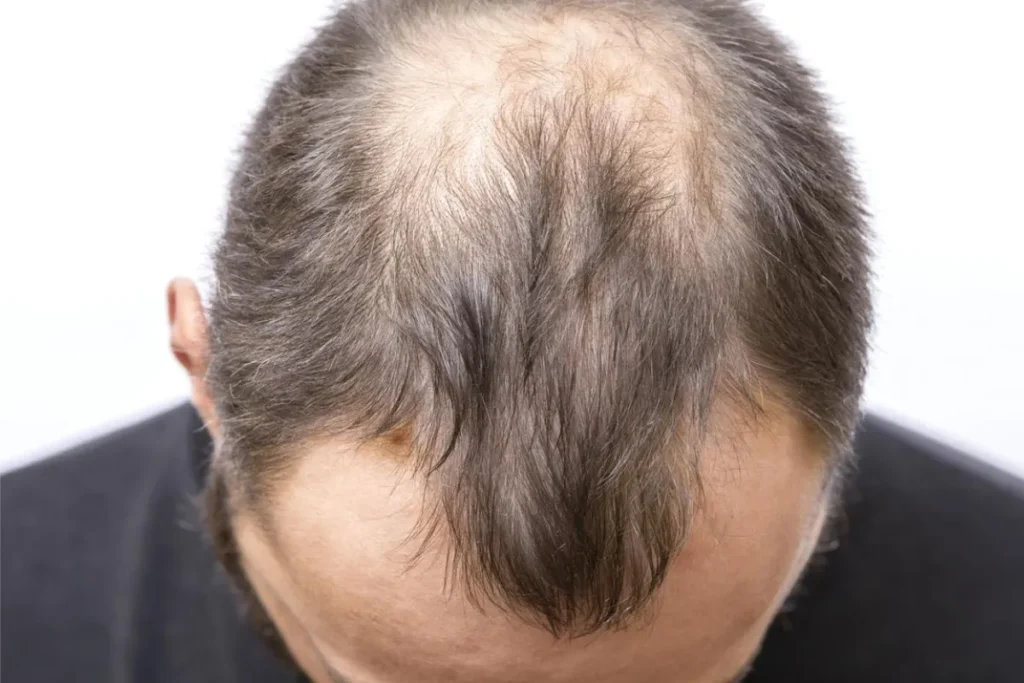
Steroids influence hair through several pathways, primarily by altering hormone levels and inflammatory responses. Corticosteroids such as prednisone suppress the immune system, which can unintentionally affect the hair growth cycle. They may push follicles into the telogen (resting) phase, leading to increased shedding known as telogen effluvium.
Anabolic steroids, on the other hand, increase levels of dihydrotestosterone (DHT), a potent androgen that shortens the anagen (growth) phase and miniaturizes follicles, especially in genetically susceptible individuals. This mechanism mirrors the pattern seen in male‑pattern baldness, where DHT binds to androgen receptors in scalp follicles.
Key mechanisms include:
- Hormonal imbalance: Elevated DHT from anabolic steroids accelerates follicle miniaturization.
- Immune modulation: Corticosteroids can trigger telogen effluvium by disrupting normal follicle cycling.
- Vascular changes: High‑dose steroids may reduce blood flow to the scalp, compromising nutrient delivery.
Because these processes differ, the type of hair loss can vary—from diffuse thinning to patterned baldness. Recognizing the underlying cause helps guide appropriate treatment.
Common Steroid Types Linked to Hair Loss
Not all steroids carry the same risk of alopecia. Below is a comparison of the most frequently cited steroids and their typical impact on hair.
| Steroid Type | Common Names | Primary Use | Hair Loss Potential |
|---|---|---|---|
| Corticosteroids (systemic) | Prednisone, Dexamethasone | Anti‑inflammatory, autoimmune disorders | Moderate – can cause telogen effluvium |
| Anabolic Steroids (oral) | Anavar (Oxandrolone), Dianabol (Methandrostenolone) | Performance enhancement, muscle building | High – increase DHT, leading to androgenic alopecia |
| Anabolic Steroids (injectable) | Winstrol (Stanozolol), Testosterone enanthate | Bodybuilding, hormone replacement | High – similar DHT‑related effects |
| Topical Corticosteroids | Hydrocortisone cream, Clobetasol ointment | Skin conditions, scalp inflammation | Low – generally used to treat alopecia areata, but misuse can irritate follicles |
Patients using prednisone often report shedding within weeks of initiating therapy, while anabolic steroid users may notice a gradual receding hairline over months. The dosage and duration are critical factors; higher doses and longer courses increase the likelihood of noticeable hair loss.
Differentiating Steroid‑Induced Alopecia from Other Causes
Hair loss is a multifactorial issue, and it’s essential to distinguish steroid‑related alopecia from other medical or lifestyle factors. Common non‑steroid medications that can cause hair loss include:
- Anticoagulants (e.g., warfarin)
- Antidepressants (e.g., SSRIs)
- Beta‑blockers
- Thyroid medications (if dosage is improper)
- Chemotherapy agents
Other conditions that mimic steroid‑induced patterns are:
- Androgenetic alopecia – hereditary pattern baldness
- Alopecia areata – autoimmune patches of hair loss
- Telogen effluvium – stress‑related diffuse shedding
When evaluating hair loss, clinicians consider the timing of symptom onset, the specific medication regimen, and any accompanying systemic signs. A detailed medication history is crucial because what medications cause hair loss can be extensive, and overlooking a culprit may delay effective treatment.
Managing Hair Loss If You’re Using Steroids
If you suspect that your steroid therapy is contributing to hair loss, there are several strategies to mitigate the effect without compromising your primary treatment.
Consult Your Physician
Never discontinue steroids abruptly. Discuss dosage reduction, alternative medications, or a tapering schedule with your prescribing doctor. In many cases, a lower dose can reduce hair‑related side effects while still providing therapeutic benefit.
Adjunct Therapies
Topical minoxidil (5%) is a widely used over‑the‑counter option that can prolong the anagen phase and improve follicle health. Oral finasteride, a 5‑alpha‑reductase inhibitor, reduces DHT levels and is particularly helpful for anabolic‑steroid‑induced androgenic alopecia.
Nutritional Support
Ensuring adequate intake of biotin, zinc, iron, and vitamin D supports keratin production and overall scalp health. While supplements alone won’t reverse steroid‑related damage, they can enhance the effectiveness of medical treatments.
When to Consider Hair Restoration
If hair loss persists despite medical management, or if the pattern is advanced, surgical options such as Follicular Unit Extraction (FUE) or Direct Hair Implantation (DHI) can provide permanent, natural‑looking results. These techniques are performed by experienced clinicians who meticulously transplant healthy follicles to thinning areas.
Scientific Evidence and Studies on Steroids and Alopecia
Several peer‑reviewed studies have explored the link between steroid use and hair loss. A 2018 dermatology review found that 18% of patients on high‑dose prednisone experienced telogen effluvium within three months of treatment. Another 2020 clinical trial examined anabolic‑steroid users and reported a statistically significant increase in DHT levels correlating with accelerated pattern baldness.
Key findings include:
- Duration matters: Hair shedding typically begins after 2–4 weeks of systemic corticosteroid initiation.
- Dosage threshold: Doses exceeding 40 mg of prednisone daily are associated with higher risk of alopecia.
- Reversibility: In most cases, hair regrowth occurs within 6–12 months after steroid cessation or dose reduction.
While the data are compelling, individual susceptibility varies due to genetic predisposition, age, and concurrent medications. This underscores the importance of personalized medical advice when assessing do steroids cause hair loss for a particular patient.
When to Seek Professional Hair Restoration Treatment
Deciding to pursue a hair transplant is a personal choice, but certain signs indicate that professional intervention may be beneficial.
Advanced Hair Loss
If the Norwood Scale for men or the Ludwig Scale for women shows stage III or higher, and medical therapies have plateaued, surgical restoration can restore density and confidence.
Stable Scalp Condition
Before any transplant, the scalp should be free from active inflammation or infection. Patients on long‑term steroids may need a brief medication adjustment to ensure optimal healing.
Realistic Expectations
Consultation with a qualified hair restoration clinic—such as Gold City Hair—allows you to discuss realistic outcomes, potential risks, and post‑procedure care. The clinic’s expertise in FUE and DHI ensures minimally invasive procedures with natural results.
Why Choose Gold City Hair for Your Hair Restoration Journey
Gold City Hair has been delivering personalized hair restoration solutions in Turkey since 2017. Our team specializes in advanced techniques like FUE and DHI, offering precise follicle extraction and implantation for both scalp and facial hair. We prioritize transparent communication, thorough pre‑procedure assessment, and post‑treatment support, ensuring each patient receives a tailored plan that restores confidence and natural appearance.
Ready to reclaim your hair and confidence? Contact Gold City Hair today for a free, no‑obligation consultation and discover the best solution for your unique situation.
FAQ
Can steroids cause hair loss?
Yes, both corticosteroids and anabolic steroids can trigger different types of hair loss.
What types of steroids are most linked to alopecia?
Systemic corticosteroids and anabolic steroids (both oral and injectable) have the highest hair‑loss potential.
How does anabolic steroid use lead to hair loss?
Anabolic steroids increase DHT, which miniaturizes hair follicles and shortens the growth phase.
What treatments work for steroid‑induced hair loss?
Topical minoxidil, oral finasteride, nutritional support, and, if needed, hair‑restoration surgery.
When should I consider a hair transplant after using steroids?
Consider transplantation when hair loss is stable, at Norwood/Ludwig stage III or higher, and medical options have plateaued.
How long does hair regrow after stopping steroids?
Hair typically begins to regrow within 6 to 12 months after dose reduction or cessation.





