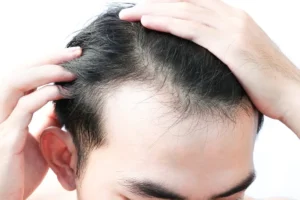
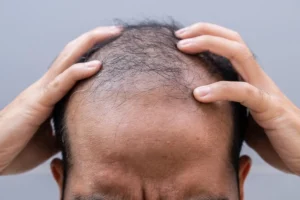
Does chemo cause hair loss is a question many patients ask when faced with a cancer diagnosis. The short answer is yes—most chemotherapy regimens affect the cells that grow hair, leading to varying degrees of shedding. This article explains why this happens, how it differs from radiation‑induced loss, and what steps you can take to manage and eventually restore your hair.
Hair loss can feel like a visible reminder of an otherwise invisible disease, impacting confidence and emotional well‑being. Studies show that up to 80% of patients undergoing chemotherapy experience some level of hair thinning or complete baldness, depending on the drugs used and individual sensitivity.
We will explore the science behind the phenomenon, compare it with radiation effects, outline the typical timeline of loss and regrowth, provide practical coping strategies, and review the modern options for hair restoration—including the advanced transplant techniques offered by Gold City Hair.
The Biological Mechanism Behind Chemotherapy‑Induced Hair Loss
Chemotherapy targets rapidly dividing cells to stop cancer growth. Unfortunately, hair follicle cells also divide quickly, making them collateral damage. When these cells are damaged, the hair shaft can no longer be produced, leading to shedding. This process is often referred to as anagen effluvium, where hair falls out during the growth phase.
Not all chemotherapy agents have the same impact. Alkylating agents (such as cyclophosphamide) and anthracyclines (like doxorubicin) are notorious for causing significant hair loss, while taxanes (paclitaxel) may result in milder thinning. The dosage and treatment schedule also influence severity.
Understanding why does chemo cause hair loss helps patients anticipate changes and discuss protective measures with their oncology team.
- High‑risk drugs: cyclophosphamide, doxorubicin, methotrexate
- Moderate‑risk drugs: paclitaxel, docetaxel
- Low‑risk drugs: hormonal therapies, targeted agents (some)
| Drug Category | Typical Hair Loss Risk |
|---|---|
| Alkylating agents | High |
| Anthracyclines | High |
| Taxanes | Moderate |
| Targeted therapies | Low to Variable |
Comparing Chemotherapy and Radiation: Different Paths to Hair Loss
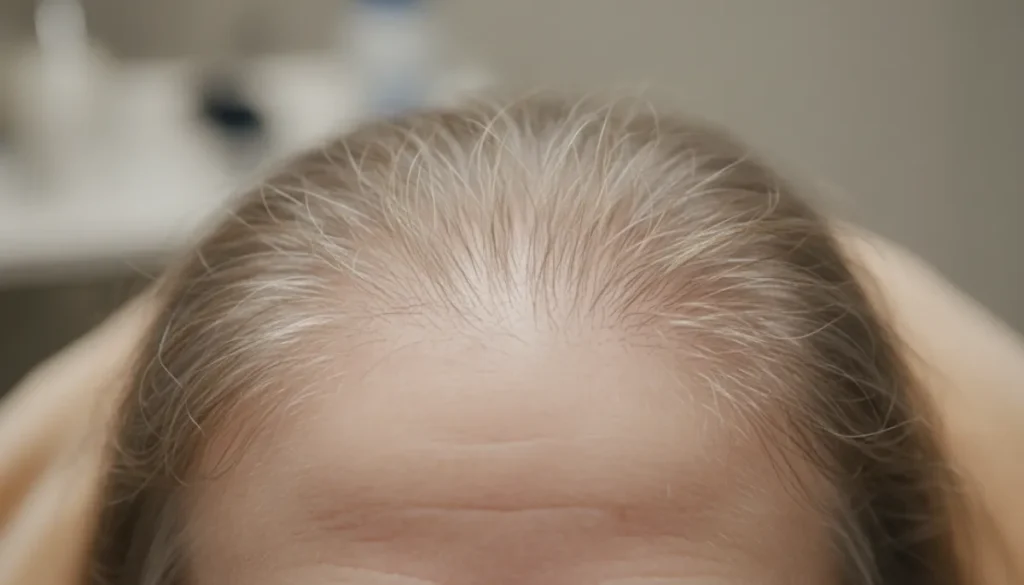
While both treatments can result in hair loss, the mechanisms differ. Radiation therapy damages the DNA of cells within the treated field, causing a localized form of hair loss called cicatricial alopecia when the skin is heavily irradiated. This type of loss is often permanent if the radiation dose is high enough.
In contrast, chemotherapy’s effect is systemic, affecting hair all over the scalp and sometimes the eyebrows, eyelashes, and body hair. The question “does radiation cause hair loss” is answered by the fact that it does, but typically only in the area exposed to the beam.
Key distinctions:
- Scope: Chemo – whole‑body; Radiation – localized.
- Timing: Chemo hair loss often begins 2‑3 weeks after the first cycle; Radiation loss appears after 2‑4 weeks of daily treatment.
- Reversibility: Chemo‑induced loss usually regrows; Radiation‑induced loss can be permanent.
| Aspect | Chemotherapy | Radiation Therapy |
|---|---|---|
| Area Affected | Scalp, body, facial hair | Specific treated region |
| Onset | 2‑3 weeks after start | 2‑4 weeks after start |
| Potential for Regrowth | High | Variable, may be permanent |
Typical Timeline of Hair Loss and Regrowth After Chemotherapy
Patients often wonder when they will notice changes and when normal growth will resume. The timeline can be broken into three phases: loss, dormant, and regrowth.
Phase 1 – Hair Shedding (Weeks 2‑6)
During this period, hair may fall out in clumps or thin out gradually. Some describe the phenomenon as “chemo curls,” where newly growing hair appears wavy before returning to its natural texture.
Phase 2 – Dormancy (Weeks 6‑12)
Hair follicles enter a resting state. The scalp may feel itchy or dry, and patients often use gentle shampoos and moisturizers to maintain scalp health.
Phase 3 – Regrowth (Months 3‑6)
Most individuals see new hair emerging, initially fine and sometimes a different color or texture. Full density can take up to 12‑18 months, and the term “hair growth after chemo” becomes relevant.
- Month 1‑2: Minimal to no visible hair.
- Month 3‑4: Fine, soft vellus hair appears.
- Month 6‑9: Hair thickens, matches original color.
- Month 12‑18: Near‑full density, though some may experience permanent thinning.
Managing Hair Loss During Treatment: Practical Tips and Support
While you cannot stop chemotherapy from affecting hair, several strategies can lessen discomfort and preserve scalp health.
Scalp Care
Use a mild, sulfate‑free shampoo and avoid harsh chemicals. Gentle brushing with a soft‑bristle brush reduces breakage. Cooling caps or scalp hypothermia devices have shown promise in reducing blood flow to the scalp during infusion, potentially lowering the amount of drug that reaches hair follicles.
Protective Styling
Consider wearing loose, breathable head coverings such as silk scarves or turbans. These protect the scalp from sun exposure and reduce friction.
Nutrition and Supplements
Balanced nutrition supports overall recovery. Some patients explore natural ways to prevent hair loss during chemotherapy, such as omega‑3 fatty acids, biotin, and antioxidants, but always discuss supplements with your oncologist.
Emotional Support
Joining support groups, speaking with a counselor, or using virtual communities can help mitigate the psychological impact of hair loss.
- Gentle cleansing routine
- Cooling cap during infusion
- Silk or cotton head coverings
- Balanced diet rich in protein and vitamins
- Professional counseling or peer support
Hair Restoration Options After Chemotherapy: From Medications to Transplant
When natural regrowth is slow or incomplete, several medical and surgical solutions exist. Understanding “hair regrowth after chemotherapy” helps patients choose the right path.
Pharmacologic Aids
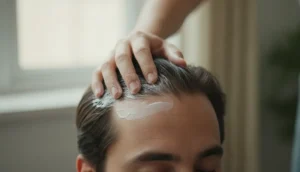
Topical minoxidil (Rogaine) is commonly prescribed to accelerate regrowth. Low‑dose oral finasteride may be considered for men with persistent thinning. These treatments are most effective once the scalp has entered the regrowth phase.
Platelet‑Rich Plasma (PRP)
PRP injections stimulate follicular activity by delivering growth factors directly to the scalp. Clinical studies suggest modest improvement in hair density when combined with minoxidil.
Hair Transplant Surgery
For patients with permanent loss or significant thinning, hair transplantation offers a lasting solution. Techniques such as Follicular Unit Extraction (FUE) and Direct Hair Implantation (DHI) provide natural‑looking results. Gold City Hair specializes in these methods, ensuring personalized treatment plans and transparent communication throughout the process.
| Option | Typical Use | Result Timeline |
|---|---|---|
| Minoxidil | Accelerate natural regrowth | 3‑6 months |
| Finasteride | Male pattern thinning post‑chemo | 4‑9 months |
| PRP Therapy | Boost follicle health | 2‑4 months per session |
| FUE/DHI Transplant | Permanent restoration | 9‑12 months for full growth |
Why Choose Gold City Hair for Hair Restoration
Gold City Hair has been delivering personalized hair restoration solutions in Turkey since 2017. Our team combines expertise in FUE, DHI, and eyebrow/beard transplants with a commitment to transparent communication and patient‑centered care. Whether you are seeking to recover after chemotherapy or address long‑term thinning, we provide a tailored plan that respects your unique needs and aesthetic goals.
Our clinic utilizes the latest technology, ensuring minimal downtime and natural‑looking results. Trust in a proven track record of restoring confidence through expertly crafted hair restoration.
Ready to regain your confidence and explore the best hair restoration options after chemotherapy? Contact Gold City Hair today to schedule a personalized consultation and take the first step toward a fuller, healthier future.
FAQ
Does chemotherapy cause hair loss?
Yes, most chemotherapy regimens cause hair loss because they target rapidly dividing cells, including hair follicle cells.
How does chemotherapy‑induced hair loss differ from radiation‑induced hair loss?
Chemo causes systemic hair loss across the scalp and body, while radiation causes localized loss limited to the treated area.
What is the typical timeline for hair loss and regrowth after chemotherapy?
Hair shedding starts 2‑6 weeks, a dormant phase follows until week 12, and regrowth begins around month 3, reaching near‑full density by 12‑18 months.
What scalp‑care tips can help manage hair loss during chemotherapy?
Use mild sulfate‑free shampoos, gentle brushing, cooling caps, and protect the scalp with soft head coverings.
Which hair‑restoration options are available after chemotherapy?
Options include topical minoxidil, oral finasteride, PRP therapy, and surgical transplants like FUE or DHI.
Can cooling caps reduce hair loss during chemotherapy?
Cooling caps may lower scalp blood flow during infusion, which can reduce the amount of chemotherapy reaching hair follicles and lessen hair loss.