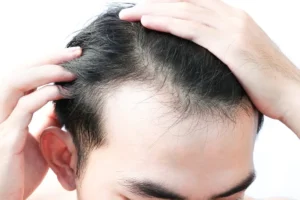
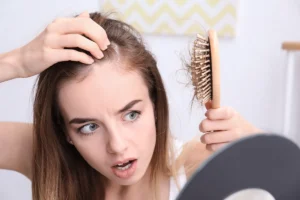
Cold laser for hair loss is a non‑surgical, low‑level light therapy that aims to stimulate dormant hair follicles and improve scalp health. As more people seek alternatives to invasive procedures, this technology has gained attention for its gentle approach and minimal downtime. According to recent dermatology surveys, up to 30% of patients report visible improvement after a series of treatments, making it a viable option for early‑stage thinning.
This article explains the science behind cold laser therapy, reviews clinical evidence, walks you through a typical treatment session, and discusses how it can be combined with other hair restoration methods. Whether you are considering a standalone solution or looking to enhance a transplant plan, understanding the benefits and limitations will help you make an informed decision.
We’ll also highlight why Gold City Hair, a leading Turkish hair restoration clinic, integrates cold laser therapy into its personalized care pathways, ensuring you receive safe and effective treatment under expert supervision.
Understanding Cold Laser Technology in Hair Restoration
Cold laser therapy, also known as low‑level laser therapy (LLLT) or photobiomodulation, uses wavelengths of red and near‑infrared light to penetrate the scalp without generating heat. The photons are absorbed by cellular chromophores, primarily cytochrome c oxidase, which boosts mitochondrial activity and increases adenosine triphosphate (ATP) production. This cellular energization promotes hair follicle proliferation, extends the anagen (growth) phase, and reduces inflammation.
Key components of a cold laser system include:
- Laser diodes emitting wavelengths between 630‑670 nm (red) and 780‑850 nm (near‑infrared).
- Adjustable power settings, typically ranging from 5‑100 mW, ensuring a safe, non‑thermal exposure.
- Ergonomic caps or handheld devices that provide uniform coverage of the treatment area.
Below is a comparison of common device types used in clinics:
| Device Type | Typical Use | Coverage Time | Portability |
|---|---|---|---|
| Handheld Probe | Targeted treatment for specific thinning spots | 5‑10 minutes per session | Highly portable |
| Laser Cap | Full‑scalp coverage for diffuse thinning | 20‑30 minutes per session | Stationary, larger footprint |
| In‑Clinic Panel | High‑density treatment for large areas | 10‑15 minutes per session | Fixed installation |
By delivering consistent low‑level energy, cold laser therapy encourages dormant follicles to re‑enter the growth cycle, leading to thicker, healthier hair over time.
Clinical Evidence and Effectiveness of Cold Laser for Hair Loss
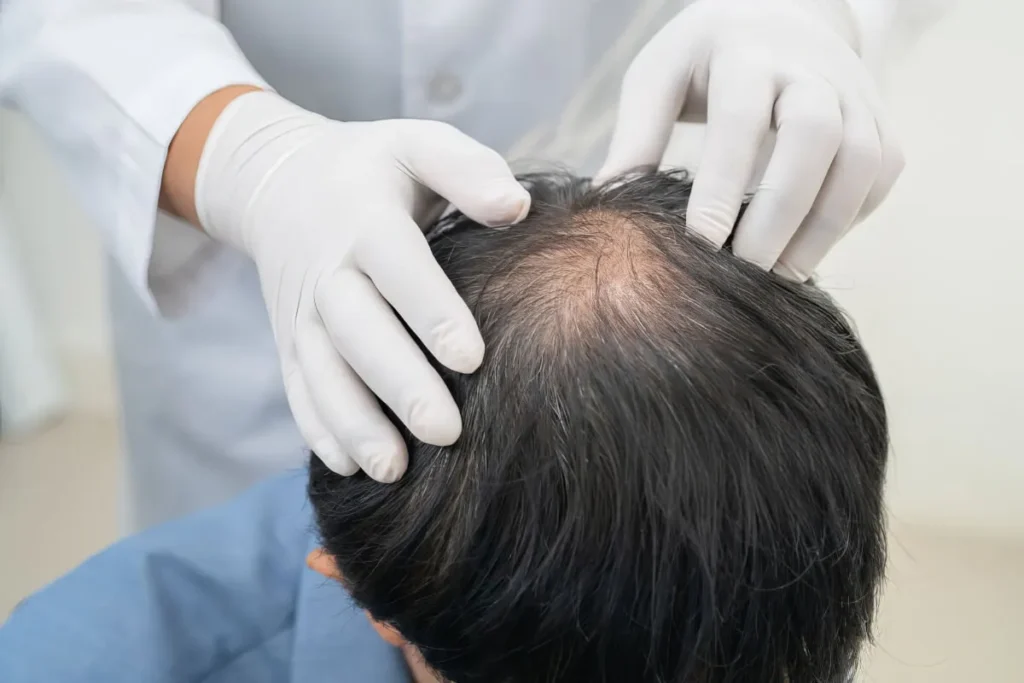
Multiple peer‑reviewed studies have evaluated the efficacy of cold laser therapy for androgenetic alopecia and other forms of hair loss. A 2014 randomized, double‑blind trial involving 100 participants showed a statistically significant increase in hair density after 26 weeks of twice‑weekly treatments compared to the placebo group. Another meta‑analysis of eight clinical trials reported an average hair count increase of 18 % and a 30 % improvement in patient satisfaction.
Key findings from recent research include:
- Improved scalp microcirculation, delivering more nutrients to follicles.
- Reduced levels of pro‑inflammatory cytokines, which are linked to follicular miniaturization.
- Enhanced expression of growth factors such as VEGF and IGF‑1.
While results vary based on individual factors—age, severity of loss, and treatment adherence—most experts agree that consistent use (typically 2‑3 sessions per week for 3‑6 months) yields measurable benefits. It is important to set realistic expectations: cold laser therapy is most effective for early‑stage thinning rather than advanced balding.
How a Cold Laser Treatment Session Is Performed
During a typical session at Gold City Hair, the process follows a standardized protocol to ensure safety and effectiveness:
- Consultation and Scalp Assessment: A specialist evaluates the pattern of hair loss, measures baseline density, and determines suitability for laser therapy.
- Preparation: The scalp is cleaned, and any styling products are removed to allow optimal light penetration.
- Device Placement: Depending on the chosen system (handheld probe or laser cap), the device is positioned to cover the affected zones.
- Laser Emission: The practitioner activates the laser at a calibrated power level, typically delivering 4‑6 J/cm² per session. The patient remains seated comfortably, often listening to soft music.
- Post‑Treatment Care: No downtime is required. Patients are advised to avoid harsh hair products for 24 hours and to maintain regular treatment intervals.
Each session lasts between 10‑30 minutes, depending on the device and area treated. Most clinics recommend a series of 12‑24 sessions before evaluating visible results.
Combining Cold Laser with Other Hair Restoration Methods
Cold laser therapy can be integrated into a comprehensive hair restoration plan. When combined with surgical options such as Follicular Unit Extraction (FUE) or Direct Hair Implantation (DHI), laser treatment helps prepare the scalp, improve graft survival, and accelerate post‑operative healing.
Typical combination protocols include:
- Pre‑Transplant Conditioning: 4‑6 weeks of laser sessions to boost vascularity before FUE/DHI.
- Post‑Transplant Support: Continued laser therapy for 2‑3 months after surgery to reduce inflammation and promote graft integration.
- Adjunctive Topicals: Use of minoxidil or platelet‑rich plasma (PRP) alongside laser therapy for synergistic effects.
Below is a timeline example for a patient undergoing both FUE and laser therapy:
| Week | Procedure | Goal |
|---|---|---|
| 1‑4 | Cold laser sessions (2×/week) | Increase scalp blood flow |
| 5‑6 | FUE transplant | Implant grafts |
| 7‑12 | Cold laser (3×/week) + minoxidil | Enhance graft survival |
| 13‑24 | Maintenance laser (1×/week) | Stabilize growth, prevent shedding |
By leveraging the regenerative properties of low‑level light, patients often experience faster hair thickening and a more natural appearance compared to surgery alone.
Potential Risks, Side Effects, and Who Should Avoid Treatment
Cold laser therapy is generally regarded as safe, with a low incidence of adverse events. Most reported side effects are mild and transient, such as scalp redness, tingling, or temporary itching. Because the device does not emit heat, there is no risk of burns or tissue damage when proper protocols are followed.
However, certain individuals should exercise caution:
- Pregnant or nursing women: Limited research on fetal safety; consultation with a physician is advised.
- Patients with photosensitivity disorders (e.g., lupus, porphyria): Light exposure may trigger flare‑ups.
- Individuals on photosensitizing medications (e.g., isotretinoin, certain antibiotics): May experience heightened skin reactions.
Before starting treatment, a thorough medical history and scalp examination are essential to rule out contraindications. In rare cases, inappropriate device settings could cause eye strain, so protective eyewear is mandatory for both patient and practitioner.
Overall, when administered by trained professionals, cold laser therapy offers a low‑risk, non‑invasive option for those seeking to improve hair density without surgery.
Why Choose Gold City Hair
Gold City Hair has been delivering personalized hair restoration solutions since 2017, combining state‑of‑the‑art technology with a patient‑first approach. Our clinic offers cold laser therapy performed by certified specialists who tailor each session to your unique scalp condition. With transparent communication, comprehensive after‑care, and a commitment to safety, we ensure you receive effective, evidence‑based treatment in a comfortable environment.
Ready to explore how cold laser therapy can revitalize your hair? Contact Gold City Hair today to schedule a free consultation and take the first step toward a fuller, healthier scalp.
FAQ
What is cold laser therapy for hair loss?
Cold laser therapy, also called low‑level laser therapy (LLLT), uses red and near‑infrared light to stimulate dormant hair follicles and improve scalp health.
How does cold laser therapy stimulate hair growth?
It increases cellular energy, improves microcirculation, and up‑regulates growth factors that encourage follicle proliferation.
What results can I expect from cold laser treatments?
Most patients see modest improvements in hair density after 12‑24 sessions, especially in early‑stage thinning.
How many sessions are needed for effective results?
A typical regimen is 2‑3 sessions per week for 3‑6 months, totaling 12‑24 sessions.
Can cold laser therapy be combined with hair transplants?
Yes, it can be used before and after surgery to improve graft survival and accelerate healing.
Are there any side effects or risks?
Side effects are mild and temporary, such as scalp redness, tingling, or itching.
Who should avoid cold laser therapy?
People with photosensitivity conditions, certain medications, or pregnant/nursing women should seek medical advice before treatment.