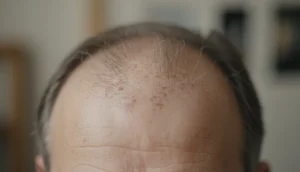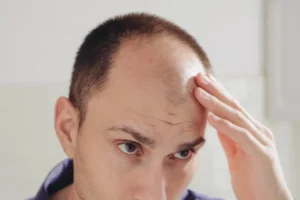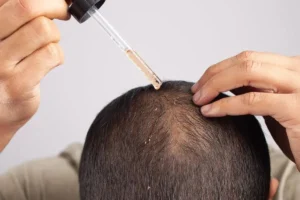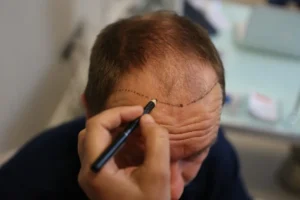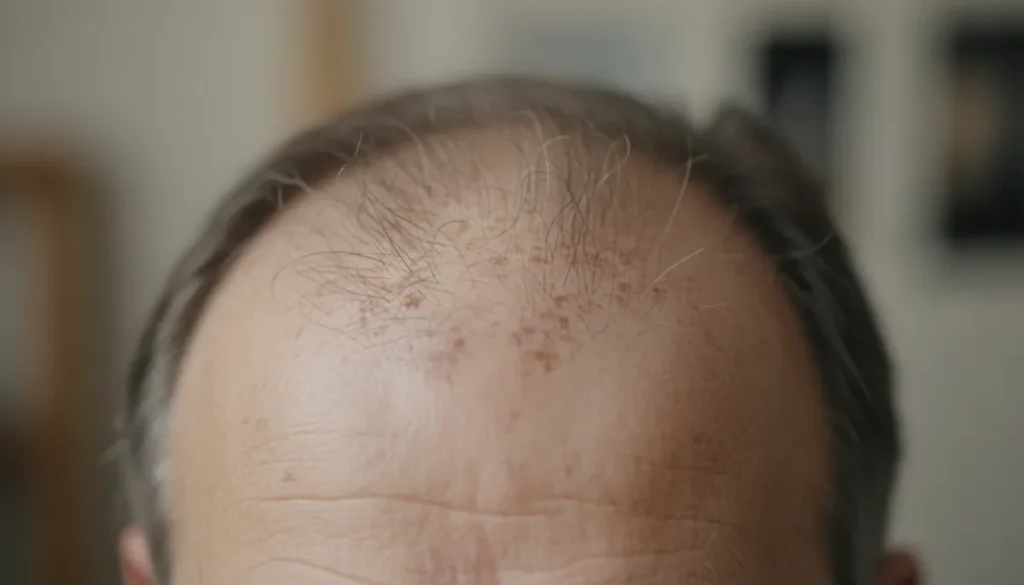
When you search for a dermatologist for hair treatment, you’re looking for a medical professional who can assess the root causes of hair loss and recommend evidence‑based therapies. Hair loss affects millions worldwide, and understanding the underlying factors is the first step toward effective restoration. In fact, studies show that up to 40 % of men and 30 % of women experience noticeable thinning by age 35, making early intervention crucial.
This article explains how dermatologists evaluate hair problems, the range of medical options available, and how these services integrate with advanced hair transplant techniques. Whether you’re dealing with alopecia, seasonal shedding, or chronic thinning, a qualified dermatologist can tailor a plan that addresses both the symptoms and the underlying biology.
We’ll also explore how dermatological care complements surgical solutions offered by clinics like Gold City Hair, ensuring a comprehensive approach that maximizes hair density and confidence.
Understanding Hair Loss: Causes and Types
Hair loss, medically known as alopecia, can arise from a variety of genetic, hormonal, and environmental factors. Recognizing the specific type is essential for selecting the appropriate treatment.
Common causes include:
- Genetic predisposition (androgenetic alopecia)
- Hormonal changes, such as thyroid disorders or menopause
- Autoimmune conditions like alopecia areata
- Stress, poor nutrition, and certain medications
- Scalp infections or dermatological diseases (e.g., psoriasis, seborrheic dermatitis)
Below is a concise comparison of male and female pattern hair loss, highlighting key differences that dermatologists consider during diagnosis.
| Feature | Male Pattern (Androgenetic Alopecia) | Female Pattern (Androgenetic Alopecia) |
|---|---|---|
| Typical Onset | Late teens to early 30s | Late 20s to 40s |
| Hairline Recession | Yes, often in an “M” shape | Rare, generally diffuse thinning |
| Vertex Thinning | Prominent, may lead to bald spot | Widespread, especially over crown |
| Response to Finasteride | Typically effective | Limited efficacy |
Accurate identification of the cause allows a dermatologist to recommend targeted therapies, ranging from topical solutions to systemic medications.
When to See a Dermatologist for Hair Concerns
Not every bout of shedding requires a specialist, but certain signs indicate that professional evaluation is essential. If you notice any of the following, scheduling an appointment with a dermatologist for hair treatment can prevent further loss and improve outcomes.
- Persistent thinning over several months despite normal grooming
- Patchy bald spots or sudden hair loss in specific areas
- Scalp redness, itching, or flaking that doesn’t improve with over‑the‑counter shampoos
- Family history of early‑onset baldness
- Hair loss accompanied by other symptoms like weight changes or fatigue
During the initial consultation, the dermatologist will perform a thorough scalp examination, review medical history, and may order blood tests to rule out systemic issues. Trichoscopy—a magnified view of the hair follicles—helps differentiate between scarring and non‑scarring alopecia.
Early diagnosis is especially important for conditions like alopecia areata, where prompt treatment can halt progression and promote regrowth.
Dermatological Treatments Beyond Transplant
While hair transplantation offers permanent density, many patients benefit from medical therapies that either prepare the scalp for surgery or serve as standalone solutions. A dermatologist for hair treatment can prescribe a range of options tailored to individual needs.
Topical and Oral Medications
- Minoxidil (2 % or 5 % solution) – stimulates follicular activity and prolongs the growth phase.
- Finasteride – an oral 5‑α‑reductase inhibitor that reduces DHT levels, proven effective for male pattern baldness.
- Low‑dose spironolactone – used off‑label for female hair thinning due to its anti‑androgenic properties.
Procedural Options
| Procedure | Mechanism | Typical Sessions |
|---|---|---|
| Platelet‑Rich Plasma (PRP) | Injects growth factors to rejuvenate follicles | 3‑4 sessions spaced 4‑6 weeks apart |
| Low‑Level Laser Therapy (LLLT) | Photobiomodulation stimulates cellular metabolism | Daily 10‑15 minute sessions |
| Corticosteroid Injections | Reduces inflammation in alopecia areata patches | Every 4‑6 weeks as needed |
These treatments can be combined with surgical procedures to enhance graft survival and overall density. For example, using minoxidil pre‑ and post‑transplant improves graft uptake and reduces shock loss.
How Dermatologists Collaborate with Hair Transplant Clinics
Successful hair restoration often involves a multidisciplinary approach. Dermatologists provide the diagnostic foundation, while specialized clinics perform the surgical extraction and implantation of grafts.
Key collaboration steps include:
- Pre‑operative Assessment – The dermatologist evaluates scalp health, identifies active inflammation, and determines candidacy for procedures such as FUE or DHI.
- Medical Optimization – Prescription of finasteride, minoxidil, or anti‑inflammatory agents to stabilize hair loss before surgery.
- Post‑operative Care – Ongoing dermatological monitoring to manage shock loss, infection risk, and graft healing.
By integrating medical therapy with the precision of Follicular Unit Extraction (FUE) and Direct Hair Implantation (DHI), patients achieve both immediate density and long‑term maintenance. Dermatologists also guide patients on lifestyle factors—nutrition, stress management, and scalp hygiene—that support graft survival.
Choosing the Right Dermatology Partner for Hair Restoration
Selecting a qualified dermatologist who understands both medical and surgical hair restoration is vital for optimal results. Consider the following criteria when evaluating potential providers.
- Board Certification – Verify that the dermatologist holds a valid license and specialization in hair disorders.
- Experience with Hair Loss – Look for clinicians who have managed a broad spectrum of alopecia cases, from androgenetic to autoimmune.
- Collaborative Network – Preference for doctors who work closely with reputable transplant centers, ensuring seamless care continuity.
- Evidence‑Based Approach – Commitment to using FDA‑approved treatments and staying current with emerging therapies.
- Patient Education – Providers who clearly explain diagnosis, treatment options, expected outcomes, and maintenance plans.
By aligning with a dermatologist who meets these standards, you lay the groundwork for a comprehensive hair restoration journey that combines medical precision with surgical artistry.
Why Choose Gold City Hair
Gold City Hair has been delivering personalized hair restoration solutions in Turkey since 2017. Our team combines the expertise of board‑certified dermatologists with cutting‑edge FUE and DHI techniques, ensuring each patient receives a transparent, customized plan. We prioritize safety, natural‑looking results, and ongoing support, helping you regain confidence through lasting hair growth.
Ready to restore your hair with expert dermatological care and world‑class transplant technology? Contact Gold City Hair today to schedule a comprehensive consultation and start your journey toward fuller, healthier hair.
FAQ
What does a dermatologist for hair treatment do?
A dermatologist for hair treatment evaluates the scalp, identifies the cause of hair loss, and prescribes medical or procedural therapies to restore growth.
When should I see a dermatologist for hair loss?
Seek a dermatologist if thinning persists for months, you notice patchy bald spots, scalp irritation, or have a family history of early baldness.
What medical treatments are available for hair loss besides transplant?
Topical minoxidil, oral finasteride, low‑dose spironolactone, PRP injections, low‑level laser therapy, and corticosteroid injections are common non‑surgical options.
How does PRP therapy help with hair restoration?
PRP injects concentrated platelets that release growth factors, revitalizing dormant follicles and promoting new hair growth.
How do dermatologists collaborate with hair transplant clinics?
Dermatologists provide diagnosis, pre‑operative scalp optimization, and post‑operative care, ensuring the transplant’s success.
What should I look for when choosing a dermatologist for hair restoration?
Choose a board‑certified dermatologist with extensive hair‑loss experience, a collaborative network with reputable transplant centers, and an evidence‑based practice.
Are minoxidil and finasteride effective for both men and women?
Minoxidil works for both sexes, while finasteride is primarily effective for men and less so for women.