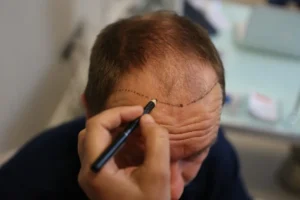
A hair transplant from body hair offers a valuable solution for patients with limited scalp donor density. By harvesting follicles from areas such as the chest, beard, or even pubic region, surgeons can create a fuller, natural‑looking result when traditional scalp grafts are insufficient. This article explains the science behind the procedure, outlines the surgical techniques, and guides you through recovery and expected outcomes. According to recent clinical observations, up to 15 % of male patients seeking restoration benefit from body hair grafts, especially when advanced FUE or DHI methods are employed.
We will explore who is an ideal candidate, how the grafts are extracted and implanted, and what you can anticipate during the healing phase. Understanding these factors helps you make an informed decision and set realistic expectations for your journey toward renewed confidence.
Whether you are considering chest hair, beard hair, or other body sources, the following sections provide a comprehensive roadmap to the entire process.
Understanding Body Hair Transplant Basics
Body hair transplantation involves relocating healthy follicles from non‑scalp regions to the balding or thinning areas of the scalp. Unlike traditional scalp‑only procedures, this technique expands the available donor hair pool, making it possible for patients with extensive hair loss to achieve satisfactory coverage.
Typical donor sites include:
- Chest hair – offers a good match in texture for many patients.
- Beard hair – generally thicker and can add density to crown areas.
- Back and side body hair – useful when chest or beard supply is limited.
- Pubic hair – occasionally used for very small graft needs due to its fine texture.
Candidate selection hinges on several factors: sufficient donor hair density in the chosen body area, the ability of the donor follicles to survive the transplant cycle, and realistic expectations regarding final hair texture differences. A thorough pre‑operative evaluation assesses hair characteristics, skin laxity, and overall health to determine suitability.
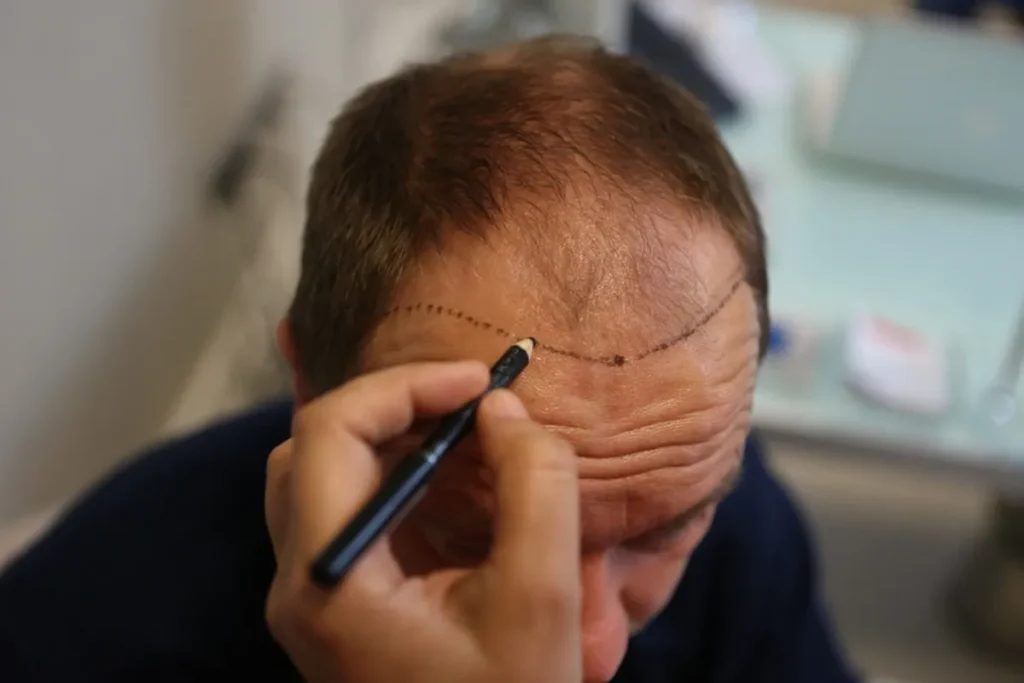
During the procedure, each follicular unit is carefully extracted, preserved in a specialized solution, and implanted into pre‑planned recipient sites. Because body hair often has a different growth cycle than scalp hair, surgeons must consider angulation and placement to mimic natural hair direction.
Surgical Techniques: FUE, DHI, and Advanced Methods for Body Hair
Modern body hair transplants rely on minimally invasive extraction methods that preserve the integrity of each follicle. The two most common techniques are Follicular Unit Extraction (FUE) and Direct Hair Implantation (DHI). Both can be adapted for body donor sites, but each offers distinct advantages.
Follicular Unit Extraction (FUE)
FUE uses a micro‑punch tool to isolate individual follicular units from the donor area. When applied to body hair, the punch size may be adjusted (typically 0.9–1.1 mm) to accommodate thicker or coarser hairs. The benefits include:
- Minimal scarring – tiny dot‑like marks that fade over time.
- High graft survival – careful handling reduces trauma.
- Flexibility – suitable for chest, beard, and back hair.
Direct Hair Implantation (DHI)
DHI incorporates a specialized implanter pen that loads the grafts directly into the recipient sites, eliminating the need for a separate incision step. This technique offers:
- Precise depth control – essential for varying body hair thickness.
- Reduced graft exposure time – improves viability.
- Faster overall procedure – especially beneficial for large sessions.
Below is a comparison of the two methods when used for body hair transplantation:
| Feature | FUE | DHI |
|---|---|---|
| Incision step | Separate scoring and implantation | Implantation with implanter pen |
| Graft handling time | Longer | Shorter |
| Scarring | Minimal dots | Minimal dots |
| Best donor sites | Chest, back, side body | Beard, finer hair zones |
Both techniques can be combined with advanced robotics or laser‑assisted devices to enhance precision, especially when harvesting from areas with variable hair angles.
Results and Expectations: What to Anticipate After a Body Hair Transplant
Understanding the timeline of growth and the visual outcome is crucial for anyone considering a hair transplant from body hair. Because body hair follows a different growth cycle than scalp hair, the post‑operative course may vary slightly.
Typical milestones include:
- Days 1–7: Scalp may appear reddened; donor sites may show tiny crusts that fall off.
- Weeks 2–4: Shedding of transplanted hairs (known as “shock loss”) is normal.
- Months 3–6: New hair begins to emerge, often finer at first.
- Months 9–12: Full maturation, with increased thickness and natural direction.
While chest or back hair tends to be finer, beard hair can provide added density, especially in the crown or vertex. Patients should anticipate a slightly different texture compared to native scalp hair, but skilled surgeons can blend grafts to achieve a seamless appearance.
Success rates for body hair transplants are high when proper technique and aftercare are followed. Studies report graft survival rates of 85–90 % for beard hair and 70–80 % for chest hair, reflecting the importance of selecting the appropriate donor source.
Risks, Recovery, and Aftercare for Body Hair Transplants
As with any surgical procedure, a hair transplant from body hair carries potential risks, though complications are relatively rare when performed by experienced professionals.
Potential Risks
- Infection – minimized with proper sterile technique and post‑op antibiotics.
- Follicle damage – excessive handling can reduce graft viability.
- Scarring at donor sites – usually tiny dots that fade, but denser harvesting may leave visible marks.
- Temporary numbness – common in both donor and recipient areas, resolves within weeks.
Recovery Timeline
Patients typically resume light activities within 2–3 days and return to work after 5–7 days, depending on the extent of the procedure. Full recovery of donor sites may take 2–3 weeks, during which gentle moisturization and avoidance of friction are advised.
Aftercare Recommendations
Effective aftercare maximizes graft survival:
- Keep the scalp clean using a mild, sulfate‑free shampoo from day 3 onward.
- Avoid direct sun exposure for at least 2 weeks; use a loose‑fitting hat if needed.
- Refrain from intense exercise or heavy sweating for 10 days.
- Follow prescribed medication schedules, including anti‑inflammatories and antibiotics.
Regular follow‑up appointments allow the surgical team to monitor progress and address any concerns promptly, ensuring the best possible outcome.
Why Choose Gold City Hair
Gold City Hair combines years of expertise with cutting‑edge technology to deliver reliable body hair transplant solutions. Since 2017, our clinic in Turkey has refined FUE and DHI protocols, offering personalized treatment plans that prioritize graft survival and natural aesthetics. Our transparent communication, state‑of‑the‑art facilities, and dedicated post‑operative support set us apart as a trusted partner in your hair restoration journey.
Ready to explore how your own body hair can restore your confidence? Contact Gold City Hair today to schedule a personalized consultation and take the first step toward a fuller, natural‑looking hairstyle.
FAQ
What is a body hair transplant?
A body hair transplant moves hair follicles from non‑scalp areas like the chest, beard, or back to balding scalp regions.
Who is a good candidate for a body hair transplant?
Patients with limited scalp donor density but sufficient body hair density and realistic expectations are ideal candidates.
What are the differences between FUE and DHI for body hair?
FUE extracts follicles with a micro‑punch, while DHI uses an implanter pen to place grafts directly, reducing handling time.
What is the expected recovery timeline after a body hair transplant?
Scalp redness resolves in a week, shedding occurs weeks 2‑4, new growth appears months 3‑6, and full maturation by 9‑12 months.
What are the potential risks and side effects of a body hair transplant?
Risks include infection, follicle damage, donor site scarring, and temporary numbness, all minimized by experienced surgeons.
How does Gold City Hair ensure high graft survival rates?
Gold City Hair uses advanced FUE/DHI protocols, specialized preservation solutions, and meticulous aftercare to achieve 85‑90 % survival.