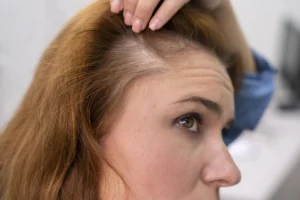
Understanding the different kinds of hair loss is the first step toward finding an effective solution. Millions of people worldwide experience hair thinning or baldness at some point, yet the underlying causes can vary dramatically. This article breaks down the most common categories, explains why they occur, and outlines the treatment options available today.
From genetic patterns to autoimmune reactions, each type presents unique challenges and opportunities for restoration. Recognizing the specific form you are dealing with helps clinicians recommend the most appropriate procedure, whether it’s a medical therapy or a surgical transplant.
In the following sections, we will explore the major classifications, highlight key symptoms, and provide practical guidance on how to address each condition. By the end, you’ll have a clear roadmap for tackling hair loss and restoring confidence.
Understanding the Main Categories of Hair Loss
Hair loss is not a single disorder; it encompasses several distinct conditions that affect the scalp, eyebrows, beard, and even body hair. The primary categories include:
- Genetic or hormonal loss (often called androgenetic alopecia)
- Autoimmune attacks such as alopecia areata
- Stress‑related shedding, known as telogen effluvium
- Physical tension from hairstyles, termed traction alopecia
- Scarring or inflammatory disorders that permanently damage follicles
Below is a concise table that compares the most frequently encountered types, their typical patterns, and common triggers.
| Type | Pattern | Typical Triggers | Reversibility |
|---|---|---|---|
| Androgenetic Alopecia | Gradual thinning on crown and frontal hairline | Genetics, hormones (DHT) | Usually treatable, permanent transplant possible |
| Alopecia Areata | Round patches of sudden hair loss | Autoimmune response | Often regrows with medication |
| Telogen Effluvium | Diffuse shedding across scalp | Stress, illness, hormonal changes | Typically reversible within months |
| Traction Alopecia | Hair loss along hairline or temples | Constant pulling from tight hairstyles | Reversible if tension stopped early |
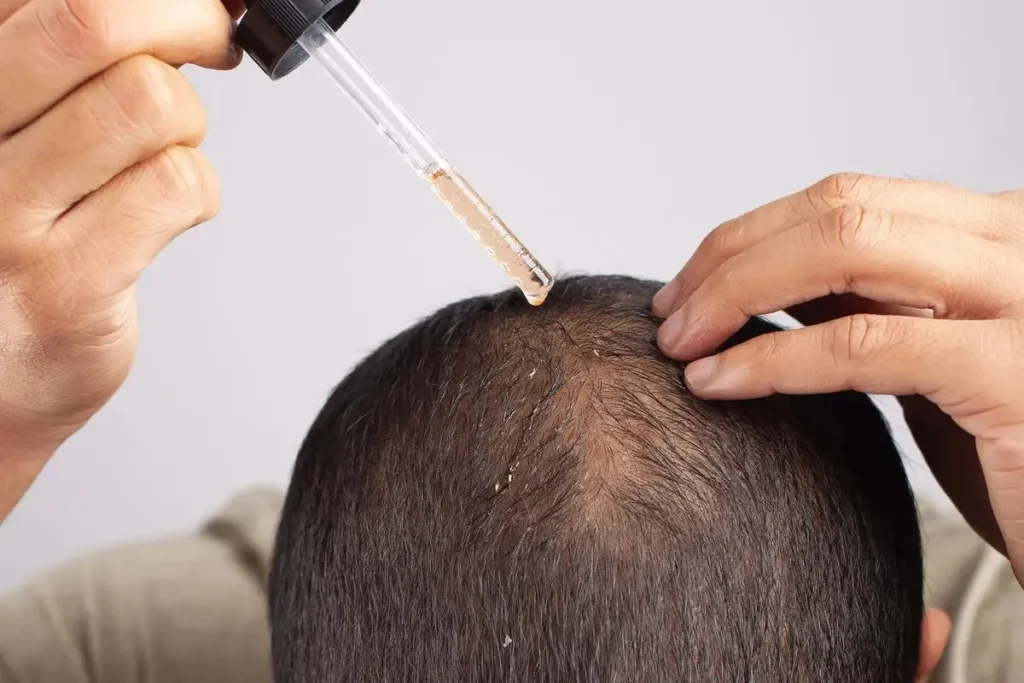
Knowing which category applies to you is essential for selecting the right hair loss treatment. While some forms respond well to medication, others may require surgical restoration such as follicular unit extraction (FUE) or direct hair implantation (DHI).
Androgenetic Alopecia: The Most Common Form
Also referred to as male or female pattern baldness, androgenetic alopecia accounts for the majority of hair loss cases worldwide. It is driven by a combination of genetic predisposition and the hormone dihydrotestosterone (DHT), which shrinks hair follicles over time.
Typical signs include a receding hairline in men, thinning at the crown, and a widening part in women. The condition progresses slowly, often over decades, making early detection crucial for preserving as many follicles as possible.
Effective interventions fall into two groups:
- Medical therapies such as minoxidil, finasteride, or oral anti‑androgens that aim to halt follicular miniaturization.
- Surgical options like FUE and DHI, which relocate healthy donor hair to balding zones, offering a permanent solution.
Clinical studies show that combining medication with a timely transplant can maximize density and long‑term stability. Patients who start treatment in the early stages often achieve the most natural‑looking results.
Alopecia Areata and Other Autoimmune Hair Loss
Alopecia areata is an autoimmune disorder where the immune system mistakenly attacks hair follicles, leading to sudden, patchy hair loss. Unlike pattern baldness, the hair loss is often abrupt and can affect any area, including eyebrows and beard.
Triggers may include stress, viral infections, or genetic susceptibility. While the exact cause remains unclear, the condition can sometimes progress to total scalp loss (alopecia totalis) or complete body hair loss (alopecia universalis).
Treatment strategies focus on modulating the immune response:
- Topical corticosteroids or intralesional injections to reduce inflammation.
- Systemic immunosuppressants for extensive cases.
- Emerging therapies such as JAK inhibitors, which have shown promising results in clinical trials.
In many instances, hair regrowth occurs spontaneously within a year, but medical intervention can accelerate the process and improve the chances of full recovery.
Telogen Effluvium and Stress‑Related Shedding
Telogen effluvium is a temporary form of hair loss that occurs when a larger-than‑usual number of hairs enter the resting (telogen) phase simultaneously. It is commonly triggered by physical or emotional stress, major surgery, rapid weight loss, hormonal shifts, or certain medications.
Patients typically notice diffuse thinning rather than distinct bald spots. The shedding usually begins two to three months after the triggering event and can last several months, but the follicles remain viable.
Management focuses on identifying and eliminating the underlying cause:
- Improving nutrition and addressing deficiencies (iron, vitamin D, zinc).
- Stress‑reduction techniques such as mindfulness, exercise, or counseling.
- Patience—most individuals experience spontaneous regrowth within six to nine months once the trigger is removed.
In cases where the shedding persists, a dermatologist may recommend topical minoxidil to stimulate faster regrowth while the scalp recovers.
Traction Alopecia and Lifestyle Factors
Traction alopecia results from chronic tension on the hair shaft caused by tight hairstyles—braids, ponytails, buns, or extensions. Over time, the constant pulling can damage the follicle root, leading to permanent loss if not addressed early.
Early signs include redness, itching, and a gradual recession of the hairline, especially along the temples. The condition is more prevalent among individuals who frequently wear protective styles or use hair accessories that exert pressure.
Prevention and reversal strategies include:
- Adopting looser hairstyles and alternating tension‑free periods.
- Using gentle hair care products that reduce friction.
- Consulting a specialist for early intervention; in advanced cases, hair transplantation may be required to restore the affected area.
Addressing lifestyle factors not only halts further damage but also improves overall scalp health, making any subsequent restoration procedures more successful.
Why Choose Gold City Hair for Your Hair Restoration
Gold City Hair combines cutting‑edge techniques such as FUE, DHI, and eyebrow/beard transplants with a personalized, transparent approach. Since 2017, the clinic has helped countless patients regain confidence through natural‑looking results and comprehensive after‑care. Our experienced surgeons tailor each plan to the individual’s hair loss type, ensuring the most effective and lasting outcome.
Ready to take the next step toward a fuller, healthier head of hair? Contact Gold City Hair today to schedule a free consultation and discover the best treatment for your specific type of hair loss.
FAQ
What are the main types of hair loss?
The primary types are androgenetic alopecia, alopecia areata, telogen effluvium, and traction alopecia.
How can I tell if I have androgenetic alopecia?
Look for gradual thinning on the crown and frontal hairline in men, or a widening part in women.
What treatment options are available for alopecia areata?
Topical steroids, intralesional injections, systemic immunosuppressants, and emerging JAK inhibitors are used.
Is telogen effluvium reversible and how long does it last?
Yes, it is usually reversible within six to nine months once the trigger is removed.
How does traction alopecia develop and can it be prevented?
It develops from chronic tension on the hair shaft due to tight hairstyles; prevention involves loosening styles and reducing tension.
What are the differences between FUE and DHI hair transplant methods?
FUE extracts individual follicles and implants them manually, while DHI uses a specialized pen for direct implantation without creating recipient sites first.
When should I consider a hair transplant for my hair loss?
Consider a transplant when medical therapies no longer halt progression and you have sufficient donor hair.
How does Gold City Hair personalize hair loss treatment plans?
Gold City Hair assesses the specific hair loss type, medical history, and goals to combine medication, lifestyle changes, and surgical options tailored to each patient.