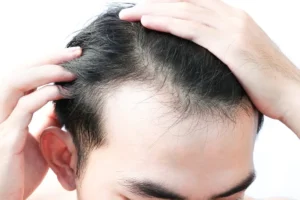
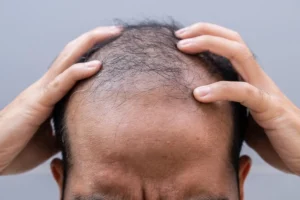
Many patients wonder do blood thinners cause hair loss and whether their medication could be the reason for thinning strands. Blood thinners, also known as anticoagulants, are prescribed to prevent dangerous clots, but they can bring a range of side effects that affect the skin and hair. Understanding the link between these drugs and hair health is essential for anyone taking them, especially if you’ve noticed unexpected shedding.
Recent surveys suggest that up to 12% of individuals on long‑term anticoagulation report noticeable hair thinning within the first year of treatment. While the exact mechanism is still being studied, several factors—such as nutrient depletion, hormonal shifts, and direct follicular impact—play a role. This article examines how blood thinners work, which specific medications have been associated with hair loss, why the reaction varies from person to person, and practical steps you can take to manage the condition.
By the end of this guide, you’ll have a clearer picture of whether your prescription might be contributing to hair loss and what options exist if you’re seeking a lasting solution.
How Blood Thinners Work and Their Common Side Effects
Blood thinners are designed to interfere with the clotting cascade, reducing the risk of strokes, heart attacks, and deep‑vein thrombosis. The two main classes are vitamin K antagonists (like warfarin) and direct oral anticoagulants (DOACs) such as apixaban, rivaroxaban, and dabigatran. While effective at preventing clots, these drugs can also affect rapidly dividing cells, including those in the hair follicle.
Typical side effects include bruising, bleeding gums, and gastrointestinal upset. Hair loss, though less common, appears in patient reports and clinical observations. Below is a quick overview of the most frequently prescribed anticoagulants and the reported incidence of hair loss:
| Medication | Class | Reported Hair Loss Incidence |
|---|---|---|
| Warfarin | Vitamin K antagonist | 5‑8% |
| Apixaban | Factor Xa inhibitor | 2‑4% |
| Rivaroxaban | Factor Xa inhibitor | 3‑5% |
| Dabigatran | Direct thrombin inhibitor | 1‑3% |
These percentages are derived from post‑marketing surveillance and patient‑reported outcomes. It’s important to remember that hair loss can be temporary; many users see regrowth after adjusting dosage or switching medications.
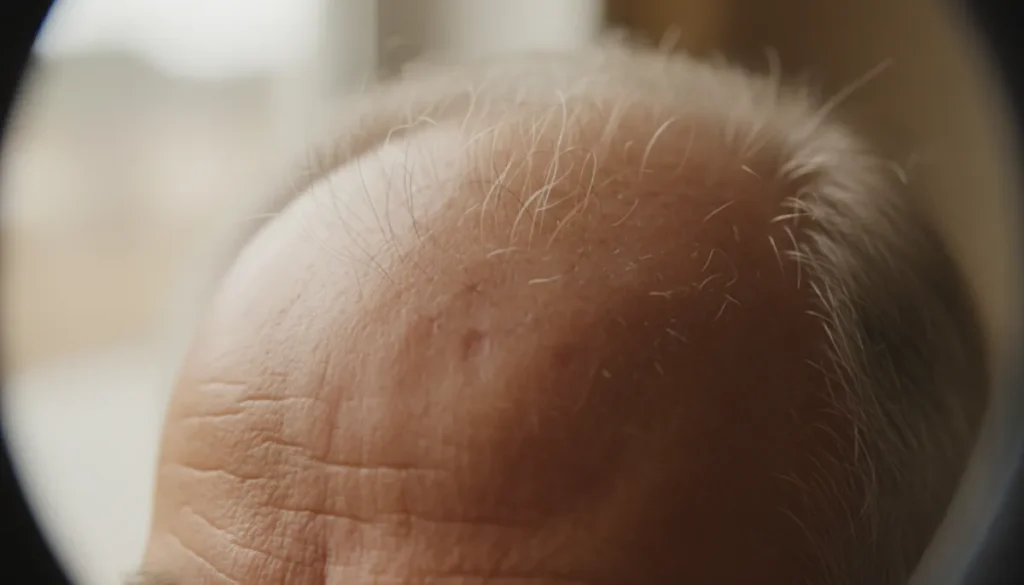
Medications Most Frequently Linked to Hair Loss
Hair loss is not exclusive to anticoagulants. A broad range of drugs can disrupt the hair growth cycle, leading to diffuse thinning or patchy alopecia. When evaluating whether do blood thinners cause hair loss is the right question, consider the full medication profile.
Below is a list of drug categories and specific agents that patients often cite when discussing hair loss:
- Anticoagulants – warfarin, apixaban, rivaroxaban, dabigatran
- Antidepressants – fluoxetine (Prozac), escitalopram (Lexapro), sertraline (Zoloft)
- Stimulants – Adderall, methylphenidate
- Anticonvulsants – gabapentin, carbamazepine
- Blood pressure agents – losartan, lisinopril, metoprolol
- Statins – atorvastatin, rosuvastatin
- Hormonal therapies – levothyroxine, oral contraceptives
- Supplements – SAM‑e, high‑dose vitamin A
Keywords such as “what medications cause hair loss” and “medications that cause hair loss” are frequently searched by patients seeking answers. While each drug has its own risk profile, the underlying mechanisms often involve nutrient depletion, hormonal imbalance, or direct follicular toxicity.
If you suspect a medication is affecting your hair, a thorough review with your physician is essential. They can determine whether the drug is the likely cause, suggest an alternative, or recommend supportive treatments.
Why Some People Experience Hair Loss While Others Don’t
Not everyone on blood thinners notices thinning hair, and the variability can be puzzling. Several factors influence whether a person will develop hair loss while on anticoagulation therapy:
- Genetic predisposition – Family history of alopecia increases susceptibility.
- Dosage and duration – Higher doses or prolonged use raise the likelihood of side effects.
- Nutrient status – Anticoagulants can affect vitamin K and other micronutrients important for hair growth.
- Concurrent medications – Combining blood thinners with other hair‑loss‑linked drugs (e.g., antidepressants) can have a cumulative effect.
- Underlying health conditions – Thyroid disorders, anemia, and autoimmune diseases also contribute to shedding.
Understanding these variables helps clinicians personalize treatment plans. For instance, a patient with a strong family history of androgenic alopecia may be monitored more closely for early signs of thinning. Adjusting diet to include iron‑rich foods, biotin, and omega‑3 fatty acids can mitigate some of the nutrient‑related risks.
Research also suggests that the hair follicle’s growth phase (anagen) can be shortened by certain anticoagulants, leading to premature shedding. However, this effect is often reversible once the drug is tapered or switched.
Managing Hair Loss When Using Blood Thinners
If you’ve confirmed that your anticoagulant is contributing to hair thinning, there are several proactive steps you can take without compromising your cardiovascular health.
Consult Your Physician
Never stop or change a prescribed blood thinner on your own. Discuss any hair loss concerns with your healthcare provider. They may:
- Order blood tests to check iron, zinc, and vitamin D levels.
- Adjust the dosage to the lowest effective amount.
- Switch to an alternative anticoagulant with a lower reported incidence of hair loss.
Supportive Topical Treatments
Topical minoxidil (5%) is FDA‑approved for both men and women and can stimulate follicular activity. While it does not address the underlying drug effect, it can help maintain density during the transition period.
Nutrition and Supplements
Focus on a balanced diet rich in:
- Protein – essential for keratin production.
- Biotin – found in eggs, nuts, and legumes.
- Omega‑3 fatty acids – salmon, flaxseed, walnuts.
- Iron and zinc – leafy greens, red meat, seeds.
Some clinicians recommend a short course of a multivitamin formulated for hair health, but always verify compatibility with your anticoagulant.
Gentle Hair Care Practices
Avoid harsh chemicals, tight hairstyles, and excessive heat styling. Use sulfate‑free shampoos and conditioners that contain mild surfactants to reduce scalp irritation.
By combining medical oversight with lifestyle adjustments, many patients experience a reduction in shedding and, in some cases, full regrowth of lost hair.
When to Consider Hair Restoration Options
For individuals whose hair loss persists despite medication adjustments and supportive care, permanent restoration may be the next logical step. Modern techniques such as Follicular Unit Extraction (FUE) and Direct Hair Implantation (DHI) offer high‑density, natural‑looking results with minimal downtime.
Gold City Hair specializes in these advanced procedures, providing personalized treatment plans that consider your scalp condition, donor area quality, and aesthetic goals. Whether you are dealing with anticoagulant‑related thinning or other forms of alopecia, a thorough evaluation can determine if you are a suitable candidate for transplantation.
Key benefits of choosing a reputable clinic include:
- Experienced surgeons trained in the latest FUE and DHI protocols.
- State‑of‑the‑art facilities adhering to international safety standards.
- Transparent communication and individualized after‑care.
While hair restoration does not replace the need for blood thinners, it can restore confidence and improve quality of life for those who have exhausted medical management options.
Why Choose Gold City Hair for Your Hair Restoration
Gold City Hair has been delivering aesthetic and cosmetic treatments in Turkey since 2017. Our clinic focuses on personalized experiences, transparent communication, and the latest hair restoration technologies, including FUE and DHI. Our team of certified surgeons ensures each patient receives a tailored plan that addresses individual needs and expectations, helping you regain confidence and a natural‑looking hairline.
Ready to take control of your hair health? Contact Gold City Hair today to schedule a free consultation and explore the best options for restoring your hair.
Experience professional care, cutting‑edge techniques, and results you can trust.
FAQ
Can blood thinners cause hair loss?
Yes, some anticoagulants have been reported to cause temporary hair thinning in a minority of patients.
Which anticoagulant medications are most frequently linked to hair loss?
Warfarin, apixaban, rivaroxaban and dabigatran have the highest reported incidences.
What factors increase the risk of hair loss while on blood thinners?
Genetics, dosage, nutrient status, concurrent drugs, and underlying health conditions all play a role.
How can I manage hair loss if I’m taking blood thinners?
Consult your doctor, adjust dosage if possible, consider topical minoxidil, improve nutrition, and use gentle hair‑care practices.
When should I consider hair restoration after medication‑induced hair loss?
If shedding persists despite medical adjustments and supportive care, permanent restoration may be appropriate.
Is minoxidil safe to use while on blood thinners?
Yes, topical minoxidil is generally safe and does not interact systemically with anticoagulants.