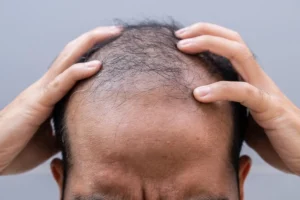
Many patients wonder does steroids cause hair loss and seek clear answers before starting treatment. Steroids, whether prescribed for medical conditions or used for performance enhancement, can influence the hair growth cycle in several ways. Understanding this relationship is essential because hair loss can affect confidence and overall wellbeing.
In this article we explore how different types of steroids interact with hair follicles, identify the medications most commonly linked to shedding, and provide practical strategies to minimize risk. A recent study showed that up to 30% of anabolic steroid users report noticeable thinning within the first year of use, highlighting the importance of informed decisions.
Whether you are considering hormone therapy, treating an inflammatory condition, or using steroids for bodybuilding, the information below will help you recognize potential side effects and take proactive steps to protect your hair.
How Steroids Influence the Hair Growth Cycle
Hair follicles undergo a continuous cycle of growth (anagen), regression (catagen), and rest (telogen). Steroids can disrupt this balance through hormonal pathways, particularly by increasing levels of dihydrotestosterone (DHT), a potent androgen that shortens the anagen phase and accelerates follicle miniaturization.
Androgenic Mechanism
When anabolic steroids raise testosterone levels, the enzyme 5‑alpha‑reductase converts more testosterone into DHT. Elevated DHT binds to androgen receptors on scalp follicles, leading to:
- Shortened growth periods
- Increased follicular sensitivity
- Progressive thinning, especially in genetically predisposed areas
Inflammatory Pathways
Corticosteroids, such as prednisone, act differently. They suppress inflammation but can also trigger telogen effluvium—a temporary shedding phase caused by stress on the follicle. This effect is usually reversible once the medication is tapered.
Overall, the impact varies by steroid type, dosage, and individual susceptibility. While not everyone who uses steroids will experience hair loss, those with a family history of androgenic alopecia are at higher risk.
Types of Steroids and Their Specific Impacts
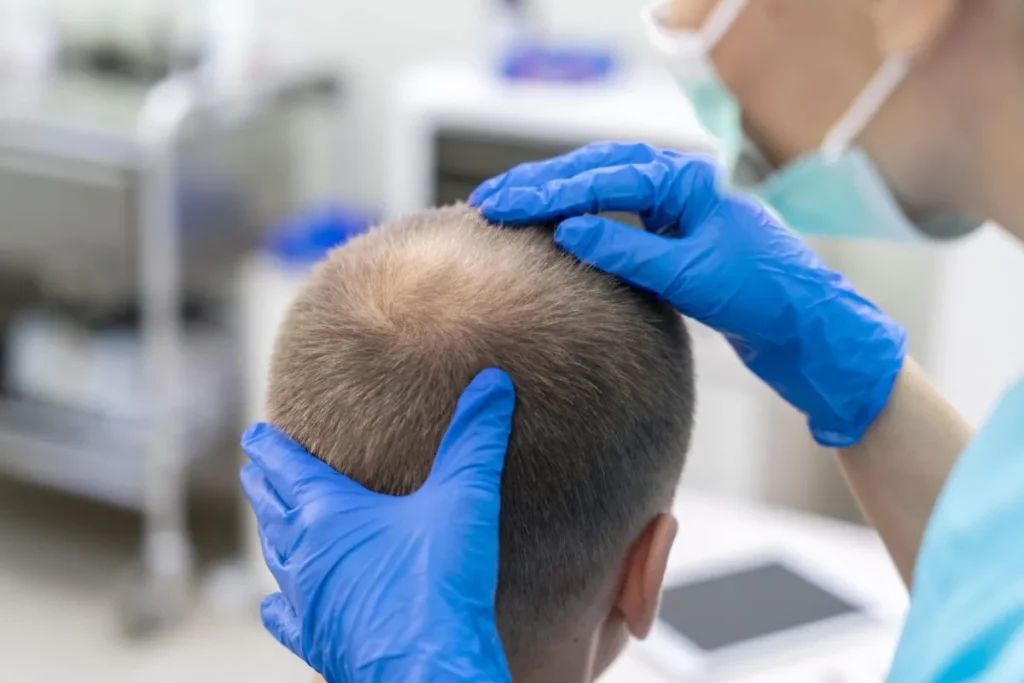
Not all steroids have the same effect on hair. Understanding the distinction helps answer questions like does testosterone cause hair loss or can steroids cause alopecia. Below is a comparison of the most common categories.
| Steroid Type | Typical Uses | Hair‑Related Side Effects |
|---|---|---|
| Anabolic‑Androgenic Steroids (AAS) | Performance enhancement, hormone replacement | Accelerated DHT production → androgenic alopecia, especially in men |
| Corticosteroids (e.g., prednisone) | Inflammatory and autoimmune disorders | Telogen effluvium, reversible shedding after discontinuation |
| Topical Steroids | Skin conditions like eczema or psoriasis | Localized thinning if over‑used; generally low systemic impact |
For athletes and bodybuilders, the question does anabolic steroids cause hair loss often arises. The answer is yes, particularly with compounds like trenbolone or nandrolone that strongly elevate androgen levels. Conversely, low‑dose corticosteroids prescribed for asthma rarely trigger permanent baldness, but they can cause temporary shedding.
Medications Commonly Linked to Hair Loss
Beyond steroids, many other drugs can trigger hair loss, leading to confusion about whether does steroids cause hair loss or another medication is responsible. The following list groups the most frequently reported culprits.
- Antidepressants (e.g., SSRIs)
- Anticoagulants (e.g., warfarin)
- Beta‑blockers
- Retinoids (oral isotretinoin)
- Hormonal therapies (e.g., oral contraceptives)
- High‑dose vitamin A supplements
When evaluating hair shedding, consider the timing of medication changes. For example, does prednisone cause hair loss typically manifests a few weeks after initiating therapy, whereas can steroids cause baldness from anabolic use may appear gradually over months.
If you suspect a drug is affecting your hair, consult a healthcare professional before stopping any prescription. Often, dosage adjustments or alternative treatments can mitigate the side effect without compromising the primary medical goal.
Early Signs of Steroid‑Related Hair Loss and When to Seek Help
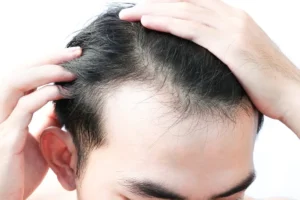
Identifying hair loss early can make a significant difference in treatment outcomes. The first clue is often a subtle increase in shedding during washing or brushing, followed by visible thinning along the crown or temples.
Key Indicators
- Noticeable hair on the pillow or in the shower drain
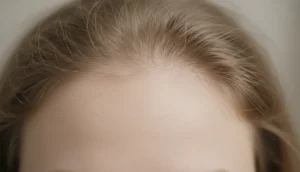
- Reduced hair density in the frontal scalp
- Patchy thinning after starting a new steroid regimen
If you observe any of these symptoms within weeks of beginning steroid therapy, it is advisable to discuss them with your prescribing physician. They may recommend a blood test to assess hormone levels, adjust the dosage, or switch to a less androgenic alternative.
Prompt action is especially important for individuals with a family history of androgenic alopecia, as the combination of genetic predisposition and elevated DHT can accelerate permanent follicle miniaturization.
Preventive Strategies and Management Options
While some hair loss may be unavoidable, several evidence‑based measures can reduce the risk when using steroids.
Lifestyle and Supplementation
- Maintain a balanced diet rich in biotin, zinc, and omega‑3 fatty acids
- Engage in regular low‑impact exercise to improve circulation
- Avoid smoking, which can exacerbate follicular stress
Medical Interventions
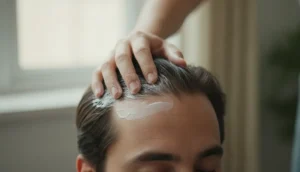
Topical minoxidil and oral finasteride are commonly prescribed to counteract DHT‑driven thinning. For patients on corticosteroids, a gradual taper rather than abrupt cessation helps prevent telogen effluvium.
In cases where hair loss persists despite preventive steps, consulting a hair restoration specialist can provide personalized solutions, including platelet‑rich plasma (PRP) therapy or low‑level laser treatment.
When Hair Transplant Becomes a Viable Solution
For individuals who have experienced significant loss due to long‑term steroid use, a hair transplant may be the most effective way to restore density. Techniques such as Follicular Unit Extraction (FUE) and Direct Hair Implantation (DHI) offered by Gold City Hair provide natural‑looking results with minimal downtime.
Assessing Suitability
Before proceeding, a thorough evaluation of donor area health, scalp condition, and ongoing steroid therapy is essential. Candidates should have stable hormone levels and no active inflammatory scalp disorders.
When performed by experienced surgeons, hair transplantation can achieve a permanent solution that blends seamlessly with existing hair, helping patients regain confidence after dealing with steroid‑induced alopecia.
Why Choose Gold City Hair
At Gold City Hair, we combine years of expertise with personalized care to address hair loss caused by steroids and other factors. Since 2017, our clinic in Turkey has delivered successful FUE and DHI procedures, ensuring natural results and patient comfort. Our team prioritizes transparent communication, thorough assessments, and customized treatment plans that consider your medical history, including any steroid use. Trust us to guide you toward lasting confidence and a fuller head of hair.
Ready to take control of your hair health? Contact Gold City Hair today for a personalized consultation and discover the best path forward, whether it’s preventive care or a state‑of‑the‑art transplant.
Call us now or fill out our secure online form to schedule your appointment.
FAQ
Can steroids cause hair loss?
Yes, certain steroids can trigger hair loss through hormonal and inflammatory pathways.
What is the difference between anabolic steroids and corticosteroids regarding hair loss?
Anabolic steroids raise DHT levels causing permanent thinning, while corticosteroids usually cause temporary shedding (telogen effluvium).
How soon can hair loss appear after starting steroid therapy?
Hair loss can become noticeable within weeks to months, depending on the steroid and individual susceptibility.
What preventive measures can reduce steroid‑related hair loss?
Maintain a balanced diet, use DHT‑blocking medications, and manage steroid dosage under medical supervision.
When is a hair transplant appropriate for steroid‑induced hair loss?
A transplant is suitable when hair loss is stable, donor area is healthy, and hormone levels are controlled.