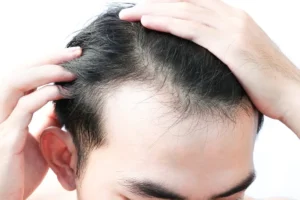
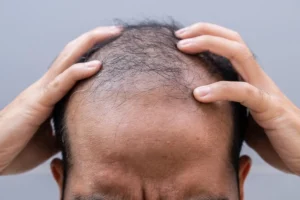
If you’re searching for a dr for hair fall, you are not alone. Millions of people worldwide experience thinning hair or baldness at some point, and the uncertainty of where to start can be overwhelming. This article explains how to identify the right specialist, outlines the most effective hair loss treatment options, and highlights what you can expect during your journey to fuller, healthier hair.
Hair loss can affect confidence, professional life, and overall well‑being. Recent studies show that up to 40% of men and 30% of women notice significant shedding by the age of 35. Understanding the underlying cause is the first step toward a successful solution.
In the following sections, we will explore the common causes of hair loss, when to seek professional help, the range of medical and surgical treatments available, and practical tips for selecting a qualified physician. By the end, you’ll feel empowered to make informed decisions and take the next step toward restoring your hair and confidence.
Understanding the Common Causes of Hair Loss
Hair loss is rarely caused by a single factor; it often results from a combination of genetics, hormonal changes, lifestyle, and medical conditions. Recognizing the root cause helps the dr for hair fall tailor a precise treatment plan.
- Androgenetic alopecia – the most common hereditary form, affecting both men (male‑pattern baldness) and women (female‑pattern thinning).
- Hormonal imbalances – conditions such as thyroid disorders, polycystic ovary syndrome (PCOS), and menopause can trigger shedding.
- Nutritional deficiencies – lack of iron, zinc, vitamin D, or essential amino acids can weaken hair follicles.
- Stress and trauma – physical or emotional stress can cause telogen effluvium, a temporary but noticeable thinning.
- Medical treatments – chemotherapy, radiation, and certain medications (e.g., anticoagulants) may lead to hair loss.
- Scalp conditions – fungal infections, psoriasis, or severe dandruff can obstruct hair growth.
Identifying these factors often involves a thorough medical history, blood tests, and sometimes a scalp biopsy. By pinpointing the cause, the physician can recommend targeted solutions such as hair growth products, hormonal therapy, or surgical options like a hair transplant.
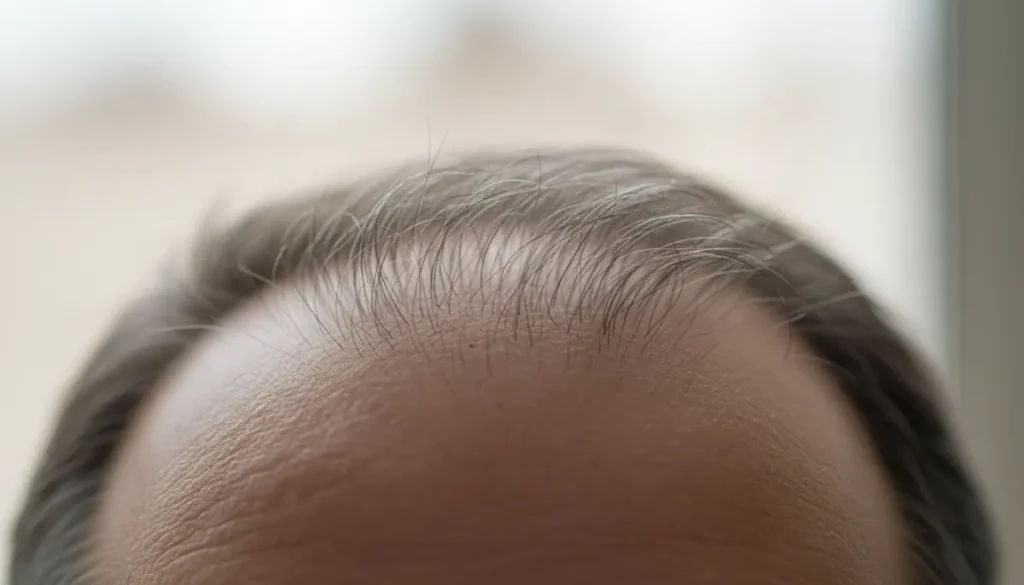
When to See a Specialist: Signs It’s Time to Book an Appointment
Not every case of shedding requires a doctor, but certain signs indicate that professional evaluation is essential. Early intervention often yields better outcomes, especially for progressive conditions like androgenetic alopecia.
| Indicator | Why It Matters |
|---|---|
| Sudden, patchy loss | May signal alopecia areata or an autoimmune issue that needs prompt treatment. |
| Gradual thinning at the crown or hairline | Typical of hereditary patterns; early medication can slow progression. |
| Excessive shedding after illness or major stress | Often temporary, but a doctor can confirm telogen effluvium and advise care. |
| Visible scalp inflammation or itching | Indicates possible scalp infection or dermatological condition requiring a dermatologist. |
| Family history of early baldness | Genetic predisposition benefits from early discussion of preventive options. |
When you notice any of these symptoms, schedule a consultation with a qualified dermatologist for thinning hair or a certified hair restoration surgeon. They will assess your condition, discuss potential hair loss treatment pathways, and set realistic expectations.
Overview of Treatment Options: From Medications to Transplants
Modern hair restoration offers a spectrum of solutions, each suited to different stages and types of hair loss. Your dr for hair fall will recommend a regimen based on your diagnosis, age, gender, and personal goals.
Topical and Oral Medications
- Minoxidil (Rogaine) – an over‑the‑counter topical solution that stimulates follicular activity; effective for both men and women.
- Finasteride – an oral prescription (often referred to as finasteride for hair loss) that blocks DHT production, slowing male pattern baldness.
- Low‑level laser therapy (LLLT) – devices that emit red light to improve cellular metabolism in hair follicles.
- Hair growth supplements – vitamins and minerals such as biotin, zinc, and marine collagen that support overall hair health.
Surgical Interventions
- Follicular Unit Extraction (FUE) – a minimally invasive technique where individual grafts are harvested and implanted.
- Direct Hair Implantation (DHI) – similar to FUE but uses a specialized pen for precise placement.
- Eyebrow and beard transplants – targeted solutions for facial hair thinning.
Advanced Therapies
- Platelet‑rich plasma (PRP) – injections of concentrated platelets to promote healing and stimulate growth.
- Stem cell‑derived treatments – emerging options that aim to regenerate dormant follicles.
Choosing the right approach often involves combining treatments, such as using minoxidil alongside a hair transplant for optimal density. Your physician will guide you through the benefits, risks, and expected timelines of each method.
How to Choose the Right Doctor for Hair Restoration
Finding a competent specialist is as crucial as the treatment itself. Not all practitioners have the same level of expertise, and the outcomes can vary dramatically.
- Credentials and Training – Look for board certification in dermatology or plastic surgery, and specific training in FUE/DHI techniques.
- Experience – Surgeons who have performed hundreds of procedures tend to have refined skills and lower complication rates.
- Before‑and‑After Portfolio – Review real patient photos that demonstrate realistic results, not just idealized images.
- Transparent Communication – A good doctor will explain the diagnosis, discuss all viable options, and set clear expectations.
- Facility Standards – Clinics should meet international hygiene standards, have modern equipment, and provide post‑procedure support.
- Patient Reviews – Independent testimonials can reveal insights about bedside manner and follow‑up care.
During your initial meeting, ask about the surgeon’s approach to alopecia treatment, the expected number of grafts, and the recovery timeline. A qualified dr for hair fall will tailor the plan to your unique pattern of thinning and personal preferences.
What to Expect During Your First Consultation
The first appointment with a dr for hair fall sets the foundation for your treatment journey. Knowing what will happen can reduce anxiety and help you prepare.
Step‑by‑Step Overview
- Medical History Review – Discussion of family history, medications, lifestyle, and any previous hair‑related treatments.
- Physical Examination – The doctor examines the scalp, assesses hair density, and identifies the pattern of loss.
- Diagnostic Tests – Blood work to check hormone levels, iron, thyroid function, and sometimes a dermoscopic examination.
- Treatment Planning – Based on findings, the specialist outlines medical, surgical, or combination options, including cost estimates and timelines.
- Q&A Session – You can ask about side effects, recovery, and long‑term maintenance.
Most clinics also provide a digital simulation of potential results, helping you visualize the expected outcome before committing to a procedure. Remember, a reputable clinic will never pressure you into a treatment you’re uncomfortable with.
Why Choose Gold City Hair
Gold City Hair has been a leading hair transplant center in Turkey since 2017, offering personalized care and state‑of‑the‑art techniques such as FUE and DHI. Our team of experienced surgeons and dermatologists ensures transparent communication, comprehensive diagnostics, and customized treatment plans that prioritize natural‑looking results. By combining medical expertise with cutting‑edge technology, we help patients regain confidence through lasting hair restoration.
Ready to take the first step toward a fuller head of hair? Contact Gold City Hair today to schedule your personalized consultation and discover the most effective solution for your unique needs.
Call us now or fill out our online form – your journey to confidence starts here.
FAQ
How do I know if I need to see a doctor for hair loss?
You should see a doctor if you notice sudden patchy loss, progressive thinning, excessive shedding after stress, scalp inflammation, or have a family history of early baldness.
What are the most common causes of hair loss?
Common causes include genetics (androgenetic alopecia), hormonal imbalances, nutritional deficiencies, stress, certain medications, and scalp conditions.
What treatment options are available for hair loss?
Options range from topical and oral medications to laser therapy, PRP injections, stem‑cell treatments, and surgical procedures like FUE and DHI hair transplants.
How can I choose the right hair loss specialist?
Look for board certification, extensive experience, a strong before‑and‑after portfolio, transparent communication, high clinic standards, and positive patient reviews.
What should I expect during my first hair loss consultation?
The first visit includes a medical history review, scalp examination, possible diagnostic tests, a personalized treatment plan, and a Q&A session.
Are hair transplant procedures like FUE and DHI safe and effective?
Yes, when performed by experienced, board‑certified surgeons, FUE and DHI are safe, minimally invasive, and provide natural‑looking, long‑lasting results.