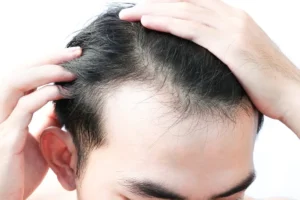
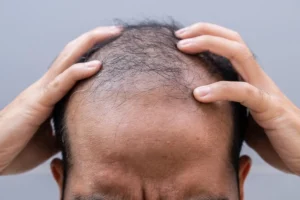
Many patients wonder, does omeprazole cause hair loss, especially when they notice thinning strands after starting a heartburn medication. Omeprazole is one of the most widely prescribed proton pump inhibitors for acid reflux, yet reports of hair shedding have raised concerns among users seeking a clear answer. This article examines the scientific evidence, outlines how the drug works, identifies factors that may increase the risk of hair loss, and offers practical steps if you suspect a connection. By the end, you’ll know whether omeprazole is likely to be the culprit and what options are available, including professional hair restoration.
Acid reflux affects up to 20% of adults worldwide, and omeprazole remains a first‑line treatment because of its effectiveness and relatively low cost. However, any medication that interferes with nutrient absorption or hormonal balance can potentially impact hair growth cycles. Understanding these mechanisms helps you make informed decisions about your health and appearance.
Below we break down the science, explore reported cases, and provide guidance on managing hair health while treating gastrointestinal conditions.
How Omeprazole Works and Common Side Effects
Omeprazole belongs to the class of drugs known as proton pump inhibitors (PPIs). It reduces stomach acid by blocking the enzyme system responsible for acid secretion in the gastric parietal cells. This action provides relief from heartburn, gastroesophageal reflux disease (GERD), and ulcers.
Mechanism of Action
When you take omeprazole, it is absorbed into the bloodstream and accumulates in the acidic environment of the stomach. There it converts into its active sulfenamide form, which irreversibly binds to the H⁺/K⁺‑ATPase pump, effectively turning off acid production for up to 24 hours.
Commonly Reported Side Effects
- Headache
- Nausea or vomiting
- Diarrhea or constipation
- Abdominal pain
- Vitamin B12 deficiency with long‑term use
While most users experience mild symptoms, rare but notable adverse effects have been documented, including skin rashes, kidney issues, and, relevant to this article, hair changes.
| Side Effect | Incidence (Approx.) | Typical Onset |
|---|---|---|
| Headache | 5‑10% | Within days |
| Nausea | 3‑7% | Within a week |
| Hair thinning | ~1% | 1‑3 months |
Hair Loss as a Potential Side Effect
Although hair loss is not listed among the most common adverse reactions, several case reports and pharmacovigilance databases have noted a possible link. The exact mechanism remains unclear, but researchers suggest that reduced acid secretion may impair the absorption of essential nutrients such as iron, zinc, and vitamin B12—each vital for healthy hair follicles.
What the Studies Show
Small observational studies have found that patients on high‑dose omeprazole (40 mg daily) for more than six months reported increased shedding. A 2022 review of PPI‑related dermatologic effects cited hair thinning in approximately 1% of long‑term users, though causality could not be definitively established.
Signs to Watch For
- Gradual thinning on the crown or frontal scalp
- Increased shedding during washing or brushing
- Patchy hair loss that does not improve after stopping the medication
| Study | Sample Size | Reported Hair Loss |
|---|---|---|
| Case series, 2020 | 12 patients | 8 reported noticeable thinning |
| Pharmacovigilance review, 2022 | 5,000 PPI users | ~1% mentioned hair changes |
Factors That Influence Hair Loss While Taking Omeprazole
Not everyone who uses omeprazole will experience hair shedding. Several variables can increase susceptibility:
- Dosage: Higher daily doses (e.g., 40 mg) are associated with a greater risk compared to lower doses (20 mg).
- Duration of therapy: Hair follicles may be affected after prolonged exposure, typically beyond six months.
- Individual nutrient status: Pre‑existing deficiencies in iron, zinc, or vitamin B12 can be exacerbated by reduced stomach acidity.
- Concurrent medications: Combining omeprazole with other drugs that affect hormone levels (e.g., certain antidepressants) may compound hair loss risk.
- Genetic predisposition: Family history of androgenetic alopecia can make the scalp more vulnerable to any additional stressors.
Understanding these factors helps you and your physician weigh the benefits of acid control against potential cosmetic concerns.
Managing Hair Loss If You Suspect Omeprazole Is the Cause
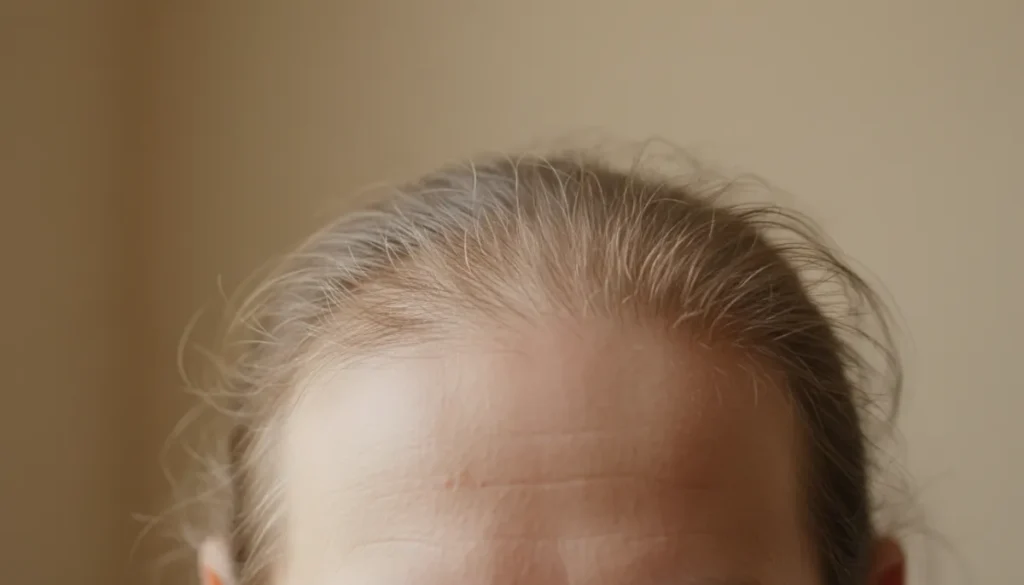
If you notice hair thinning after starting omeprazole, take these steps before assuming it’s permanent:
- Consult your healthcare provider – Discuss the timing of hair loss and explore alternative acid‑reducing medications such as H2 blockers (ranitidine, famotidine) or a lower omeprazole dose.
- Evaluate nutrient levels – Blood tests for iron, zinc, and vitamin B12 can identify deficiencies that may be corrected with supplements.
- Adjust lifestyle factors – Ensure a balanced diet rich in protein, omega‑3 fatty acids, and antioxidants, and minimize stress.
- Use gentle hair care – Opt for mild shampoos, avoid excessive heat styling, and consider topical minoxidil if recommended.
- Monitor progress – Give any changes a 2‑3 month window to assess whether hair density improves after adjustments.
Most patients experience regrowth once the underlying cause is addressed, but persistent thinning may warrant a more definitive solution.
When to Consider Professional Hair Restoration
For individuals whose hair loss does not reverse after medication adjustments, professional restoration may be the next logical step. Gold City Hair specializes in advanced techniques that deliver natural‑looking results, even for patients with medication‑related thinning.
| Procedure | Method | Ideal Candidates | Typical Recovery |
|---|---|---|---|
| FUE (Follicular Unit Extraction) | Individual follicle harvesting | Pattern baldness, diffuse thinning | 7‑10 days |
| DHI (Direct Hair Implantation) | Implantation with a Choi pen | Fine‑line density, minimal scarring | 5‑7 days |
| Eyebrow/Beard Transplant | Targeted graft placement | Facial hair loss after medication | 3‑5 days |
These procedures are performed by experienced surgeons in Turkey, offering competitive pricing and a personalized care pathway. If you have exhausted medical options and remain concerned about your appearance, a consultation with Gold City Hair can determine the best approach for lasting confidence.
Why Choose Gold City Hair
Gold City Hair has been delivering safe, effective hair restoration solutions since 2017. Our clinic combines state‑of‑the‑art FUE and DHI techniques with a patient‑focused approach, ensuring transparent communication at every stage. Whether you are dealing with medication‑induced thinning or hereditary loss, our team provides customized treatment plans that prioritize natural results and long‑term satisfaction.
Ready to restore your confidence? Contact Gold City Hair today to schedule a free, no‑obligation consultation and discover the most suitable hair restoration option for you.
Take the first step toward fuller, healthier hair—your journey starts now.
FAQ
Does omeprazole cause hair loss?
Hair loss is a rare side effect of omeprazole, reported in about 1% of long‑term users.
How common is hair thinning with omeprazole?
Approximately 1% of long‑term omeprazole users report noticeable hair thinning.
What nutrients affected by omeprazole can lead to hair loss?
Omeprazole may reduce absorption of iron, zinc, and vitamin B12, all vital for hair growth.
How can I manage hair loss while taking omeprazole?
Consult your doctor, check nutrient levels, adjust dosage or switch meds, and adopt gentle hair‑care habits.
When should I consider switching from omeprazole because of hair loss?
If hair thinning persists after 2‑3 months of dose adjustment or supplementation, discuss alternative medications.
What professional hair restoration options are available for medication‑induced thinning?
Procedures such as FUE, DHI, and eyebrow/beard transplants can restore density after drug‑related loss.