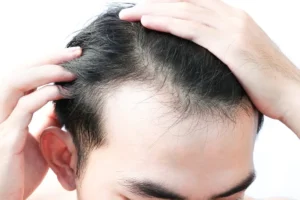
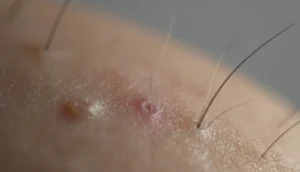
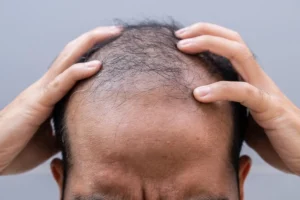
Many patients wonder, does trazodone cause hair loss, and what the science says about this concern. Trazodone is widely prescribed for depression and insomnia, yet reports of thinning strands have sparked anxiety among users. Understanding whether the medication truly affects hair growth is essential for anyone weighing the benefits against potential risks.
In this article we explore the relationship between trazodone and hair health, examine clinical evidence, and outline practical steps you can take if you notice changes in your scalp. According to a 2022 dermatology survey, up to 12% of individuals on antidepressants reported some degree of hair shedding, highlighting the need for clear information.
We will break down how trazodone works, what side effects are documented, and how you can protect your hair while still receiving effective treatment for mood or sleep disorders. By the end, you’ll know whether does trazodone cause hair loss is a likely scenario for you and what alternatives exist.
Understanding Trazodone and Its Common Uses
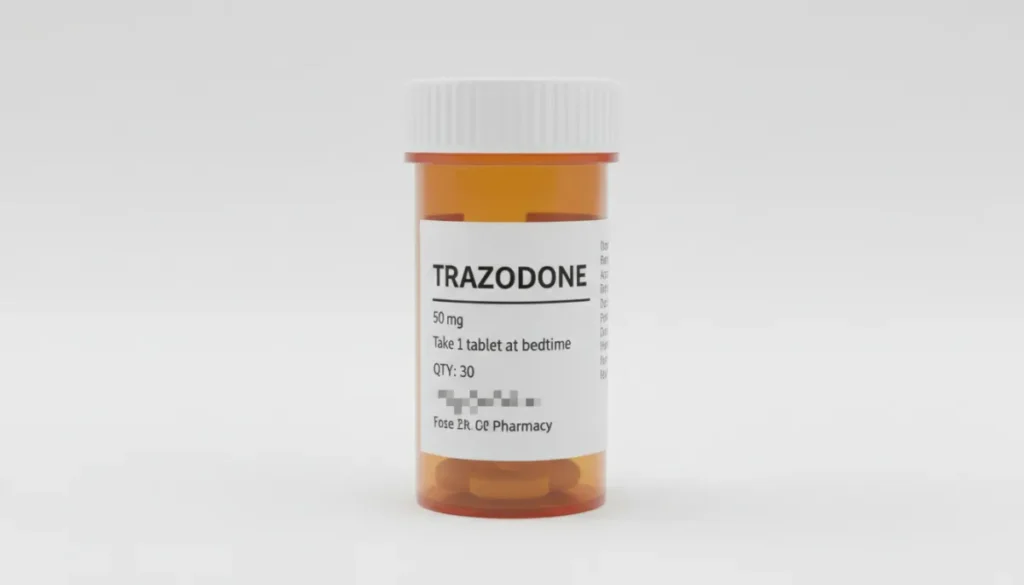
Trazodone belongs to the trazodone drug class of serotonin antagonist and reuptake inhibitors (SARIs). It is primarily prescribed for major depressive disorder and off‑label for insomnia because of its sedative properties. Typical dosages range from 50 mg to 400 mg per day, depending on the condition being treated.
Key points about its therapeutic use include:
- Improves sleep continuity when taken at night.
- Reduces depressive symptoms by modulating serotonin pathways.
- Often combined with other antidepressants for resistant cases.
While its efficacy for mood and sleep is well documented, the medication’s side‑effect profile warrants careful monitoring. Commonly reported issues are drowsiness, dry mouth, and dizziness, but patients also ask whether does trazodone cause hair loss as part of their safety concerns.
Known Side Effects of Trazodone – Focus on Hair Health
Clinical trials list several adverse reactions, yet hair loss is not consistently highlighted. The most frequently cited trazodone side effects include:
| Side Effect | Incidence |
|---|---|
| Drowsiness | Common |
| Dry mouth | Common |
| Orthostatic hypotension | Uncommon |
| Hair thinning | Rare |
Hair thinning appears in case reports rather than large‑scale studies, suggesting it may be an idiosyncratic reaction. Some patients attribute hair loss to the medication, while others point to stress, nutritional deficiencies, or concurrent drugs. When evaluating whether does trazodone cause hair loss applies to you, consider the timing of onset, dosage level, and any other medications you are taking.
Mechanisms That Could Link Trazodone to Hair Loss
Although a direct causal pathway has not been definitively proven, several theoretical mechanisms exist:
- Serotonin modulation: Trazodone’s impact on serotonin receptors may alter the hair growth cycle, potentially shortening the anagen (growth) phase.
- Hormonal fluctuations: Changes in cortisol and other stress hormones during antidepressant therapy could indirectly affect follicular health.
- Nutrient absorption: Sedative effects may reduce appetite, leading to deficiencies in biotin, zinc, or iron—nutrients essential for robust hair.
Research on similar antidepressants, such as SSRIs, shows mixed results regarding hair shedding, indicating that individual susceptibility plays a major role. Therefore, the question “does trazodone cause hair loss?” often depends on personal physiology and concurrent risk factors.
Managing Hair Concerns While on Trazodone
If you notice increased shedding after starting trazodone, there are practical steps you can take before deciding to discontinue the medication:
- Schedule a blood test to check iron, ferritin, vitamin D, and thyroid levels.
- Adopt a hair‑friendly diet rich in protein, omega‑3 fatty acids, and leafy greens.
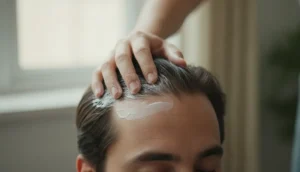
- Consider topical treatments such as minoxidil, which has evidence for promoting follicular health.
- Discuss dosage adjustment with your prescriber; lower doses may reduce side effects while maintaining therapeutic benefit.
- Track any additional medications or supplements that could interact with trazodone.
Open communication with your healthcare provider is crucial. Explain that you are concerned about hair health and ask whether a switch to an alternative antidepressant—such as bupropion or mirtazapine—might be appropriate. Remember, abrupt discontinuation can lead to withdrawal symptoms, so any changes should be medically supervised.
When to Seek Professional Help and Alternatives
Persistent or rapid hair loss warrants a referral to a dermatologist or a hair restoration specialist. They can perform a scalp biopsy, trichoscopy, or hormonal panel to pinpoint the exact cause. If the evaluation suggests trazodone as a contributing factor, the physician may recommend:
- Switching to a non‑serotonergic antidepressant.
- Adding a hair‑preserving supplement like biotin 5,000 µg.
- Integrating low‑level laser therapy (LLLT) to stimulate follicles.
For those who ultimately decide to discontinue trazodone, a gradual taper is advised to avoid rebound insomnia or mood destabilization. In parallel, many patients explore hair restoration options such as Follicular Unit Extraction (FUE) or Direct Hair Implantation (DHI), procedures that Gold City Hair specializes in.
Why Choose Gold City Hair
Gold City Hair has been delivering advanced hair restoration solutions in Turkey since 2017. Our team combines expertise in FUE, DHI, and eyebrow/beard transplants with a personalized approach that ensures each patient receives transparent communication and a treatment plan tailored to their unique needs. Whether you are coping with medication‑related shedding or seeking a permanent solution, our clinic offers state‑of‑the‑art facilities and a proven track record of restoring confidence.
Ready to take control of your hair health? Contact Gold City Hair today for a confidential consultation and discover the best path forward—whether it’s managing medication side effects or exploring a hair transplant.
FAQ
Does trazodone cause hair loss?
Hair loss is listed as a rare side effect of trazodone, occurring in a small percentage of users.
How common is hair thinning as a side effect of trazodone?
Hair thinning is reported as a rare side effect, appearing in a small fraction of users.
What mechanisms might link trazodone to hair loss?
Possible mechanisms include serotonin modulation, hormonal changes, and nutrient absorption issues.
How can I manage hair loss while taking trazodone?
Address nutritional status, consider topical treatments, and discuss dosage adjustments with your doctor.
When should I see a dermatologist for hair shedding on trazodone?
Seek professional evaluation if shedding is rapid, persistent, or accompanied by scalp changes.
Are there alternative medications to trazodone that don’t affect hair?
Yes, options like bupropion or mirtazapine are less commonly linked to hair loss.