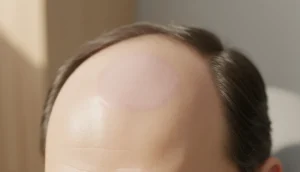
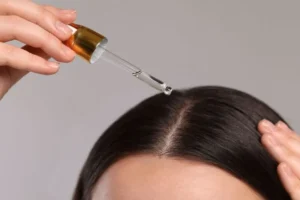
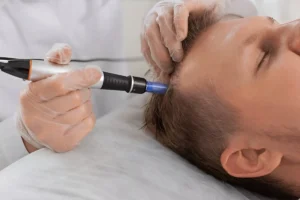
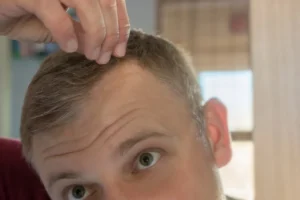
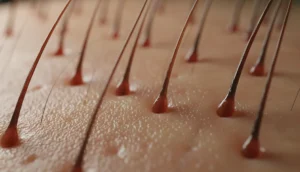
Many people wonder does vitamin d deficiency cause hair fall and search for answers online. The connection between low vitamin D levels and thinning hair is a topic of growing interest, especially as more individuals seek natural ways to preserve their hair density. Recent studies suggest that vitamin D plays a crucial role in the hair growth cycle, influencing follicle health and regeneration. Understanding this link helps you decide whether supplementation or lifestyle changes might improve your hair condition.
In this article we will explore the biology of vitamin D, examine how a deficiency can trigger hair shedding, and outline practical steps to assess and correct low levels. Whether you are experiencing early signs of thinning or looking for preventive measures, the information below provides a clear roadmap backed by scientific research.
We will also discuss when vitamin D alone may not be enough and how professional hair restoration options, such as those offered by Gold City Hair, can complement a comprehensive hair‑health plan.
Understanding Vitamin D and Its Role in Hair Health
Vitamin D is a fat‑soluble vitamin that functions as a hormone, regulating calcium absorption, immune response, and cell growth. In the context of hair, vitamin D receptors are present in dermal papilla cells, which are essential for initiating the anagen (growth) phase of the hair cycle. When these receptors are activated, they promote the proliferation of hair‑forming cells and help maintain follicle integrity.
Key points about vitamin D and hair include:
- Supports the activation of hair‑follicle stem cells.
- Modulates inflammatory pathways that can damage follicles.
- Works synergistically with other nutrients such as iron and zinc.
Research indicates that individuals with chronic vitamin D deficiency often present with diffuse thinning, especially on the crown and frontal scalp. While the exact mechanism is still under investigation, the prevailing theory is that insufficient vitamin D disrupts the signaling required for follicles to transition into the growth phase.
How Vitamin D Deficiency Can Trigger Hair Shedding
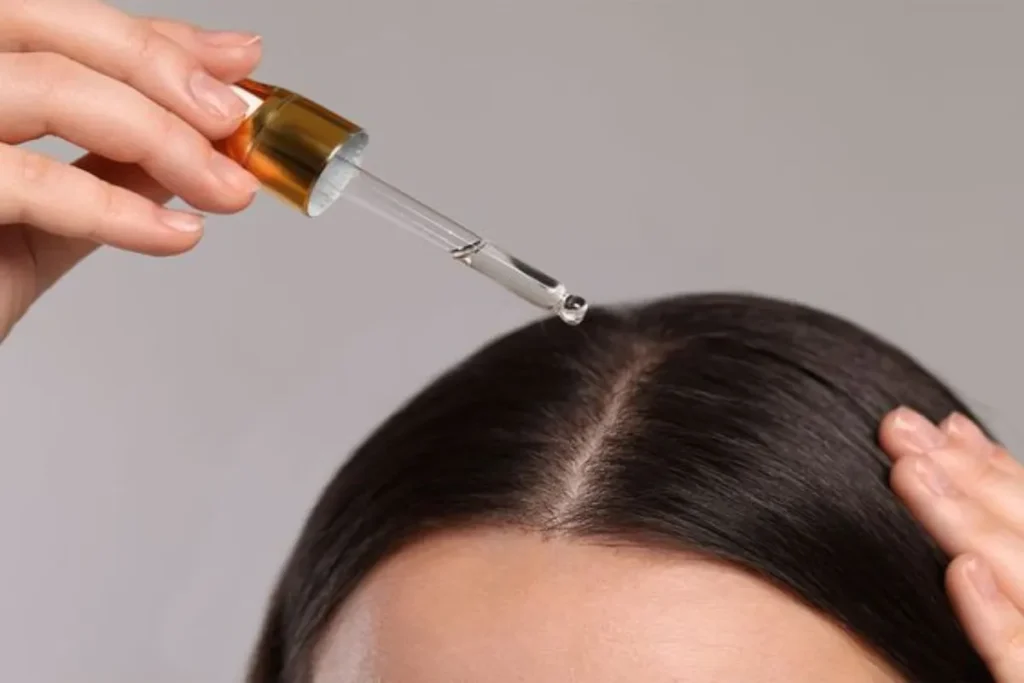
When the body lacks adequate vitamin D, the signaling cascade that stimulates hair‑follicle stem cells weakens. This can cause follicles to enter the telogen (resting) phase prematurely, leading to increased shedding and noticeable thinning. The phrase does vitamin d deficiency cause hair fall often appears in online queries because many notice a correlation between seasonal changes—when sunlight (the natural source of vitamin D) declines—and heightened hair loss.
Additional factors that amplify the effect include:
- Concurrent deficiencies, such as low iron or zinc, which also affect hair growth.
- Chronic inflammation or autoimmune conditions that exacerbate follicle damage.
- Genetic predisposition that makes hair follicles more sensitive to nutrient fluctuations.
Scientific literature lists several related terms that frequently accompany this discussion, such as vitamin D deficiency hair loss, hair fall and vitamin d, and can low vitamin d cause hair loss. These keywords highlight the broader concern that a simple nutritional gap might be a reversible cause of hair problems.
| Hair Condition | Typical Vitamin D Level (ng/mL) | Potential Impact |
|---|---|---|
| Normal shedding | 30‑100 | Balanced follicle cycle |
| Diffuse thinning | 20‑29 | Increased telogen entry |
| Severe alopecia | <20 | Marked follicular miniaturization |
Diagnosing Low Vitamin D Levels and Assessing Hair Loss
Before assuming that does vitamin d deficiency cause hair fall is the root cause, it is essential to obtain a reliable diagnosis. A simple 25‑hydroxyvitamin D blood test quantifies serum levels and helps clinicians determine whether supplementation is warranted.
Steps for an accurate assessment include:
- Schedule a blood test to measure 25‑(OH)D concentration.
- Document hair loss patterns using photographs and a scalp examination.
- Review dietary intake of vitamin D‑rich foods (fatty fish, fortified dairy, mushrooms).
- Consider other potential contributors, such as iron deficiency (e.g., iron tablets and hair loss) or hormonal imbalances.
When interpreting results, clinicians often refer to the following thresholds:
- Deficient: < 20 ng/mL
- Insufficient: 20‑29 ng/mL
- Sufficient: 30‑100 ng/mL
If levels are deficient, a tailored supplementation plan is usually recommended, alongside a review of other hair‑supporting nutrients. For example, the combination of vitamin A and hair growth with vitamin D may enhance overall scalp health, but excess vitamin A can be counterproductive, so balance is key.
Nutritional Strategies and Supplements to Support Hair Growth
Correcting a deficiency often begins with dietary adjustments and targeted supplements. Foods naturally high in vitamin D include salmon, mackerel, sardines, fortified plant milks, and egg yolks. However, many people find it challenging to achieve optimal levels through diet alone, especially in regions with limited sunlight.
Effective supplementation strategies involve:
- Choosing vitamin D3 (cholecalciferol) over D2 for better absorption.
- Starting with 1,000‑2,000 IU daily, adjusted based on follow‑up blood tests.
- Combining with hair growth vitamins that contain biotin, zinc, and selenium.
- Ensuring adequate calcium intake to support vitamin D metabolism.
Popular supplement blends marketed for hair health often list keywords like “best vitamins for hair growth,” “hair supplements,” and “vitamins for hair loss.” While these can be beneficial, it is crucial to verify that they contain clinically effective doses of vitamin D (typically 800‑2,000 IU) and do not exceed safe upper limits.
In addition to vitamin D, a balance diet for hair growth should include:
- Protein‑rich foods (lean meats, legumes) to provide keratin building blocks.
- Omega‑3 fatty acids (flaxseed, walnuts) to reduce scalp inflammation.
- Antioxidant‑rich fruits and vegetables (berries, leafy greens) to protect follicles from oxidative stress.
When a comprehensive nutritional plan is followed, many individuals report a reduction in daily shedding and visible improvements in hair thickness within 3‑6 months.
When Medical Intervention Is Needed: Beyond Vitamins
Even with optimal vitamin D levels, some individuals continue to experience progressive hair loss due to genetic factors, hormonal changes, or underlying scalp disorders. In such cases, it is important to explore medical treatments that address the root cause directly.
Options commonly considered include:
- Finasteride or minoxidil for androgen‑related thinning.
- Platelet‑rich plasma (PRP) therapy to stimulate follicle activity.
- Hair transplant procedures such as Follicular Unit Extraction (FUE) or Direct Hair Implantation (DHI), which Gold City Hair specializes in.
Integrating vitamin D supplementation with these advanced therapies can improve outcomes. For instance, patients who maintain sufficient vitamin D levels often experience better graft survival after a transplant because the nutrient supports wound healing and follicle vitality.
Ultimately, a personalized approach—combining nutritional support, lifestyle modifications, and, when appropriate, surgical expertise—offers the highest chance of restoring a full, healthy head of hair.
Why Choose Gold City Hair
Gold City Hair has been delivering personalized hair restoration solutions in Turkey since 2017. Our team combines cutting‑edge transplant techniques such as FUE and DHI with a thorough assessment of each client’s nutritional status, including vitamin D levels. We prioritize transparent communication, ensuring you understand every step of the process—from diagnosis to post‑procedure care. Trust a clinic that values both aesthetic excellence and holistic health.
Ready to take control of your hair health? Contact Gold City Hair today for a comprehensive evaluation and discover how tailored vitamin D support and advanced transplant options can restore your confidence.
Schedule your free consultation now and start your journey toward thicker, healthier hair.
FAQ
Does vitamin D deficiency cause hair loss?
Yes, low vitamin D can contribute to hair shedding by disrupting follicle signaling.
How does vitamin D affect the hair growth cycle?
Vitamin D activates stem cells in hair follicles, promoting the growth (anagen) phase.
What are the optimal vitamin D levels for healthy hair?
Serum 25‑(OH)D levels of 30–100 ng/mL are considered sufficient for hair health.
How can I test my vitamin D levels for hair loss?
A 25‑hydroxyvitamin D blood test measures serum vitamin D concentration.
What dietary sources and supplements can improve hair health?
Fatty fish, fortified dairy, egg yolks, and vitamin D3 supplements are key sources.
When should I consider medical treatments beyond vitamin D supplementation?
If hair loss persists despite optimal vitamin D levels, medical options like minoxidil, finasteride, PRP, or transplant may be needed.