Recognizing the early stages of receding hairline can be the difference between a manageable condition and a permanent pattern of baldness. Many men and women notice subtle thinning at the temples or along the frontal hairline before any dramatic loss occurs. According to recent dermatology surveys, up to 30% of adults experience some form of hair thinning before the age of 35, making early detection crucial.
This article will walk you through the common triggers behind a receding hairline, how to spot the first visual cues, and the range of both non‑surgical and surgical solutions available today. Whether you are concerned about androgenetic alopecia, traction alopecia, or simple hair fall, understanding the underlying mechanisms empowers you to take proactive steps.
We’ll also highlight why a specialized clinic like Gold City Hair can provide personalized treatment plans that address the unique pattern of each individual’s hair loss, ensuring the best possible outcome for confidence and aesthetics.
What Triggers the Early Receding Hairline?
The onset of a receding hairline is rarely random; it usually stems from a combination of genetic, hormonal, and environmental factors. Below are the most common contributors:
- Androgenetic alopecia – the hereditary pattern most often linked to male or female pattern baldness.
- Hormonal fluctuations – especially dihydrotestosterone (DHT) binding to hair follicles.
- Traction alopecia – chronic pulling from tight hairstyles or headgear.
- Medical conditions – such as alopecia areata, thyroid disorders, or severe stress.
- Nutritional deficiencies – lack of iron, zinc, or biotin can accelerate hair thinning.
Understanding these triggers helps you target the root cause rather than merely treating the symptom of hair loss.
| Factor | Typical Impact on Hairline | Gender Prevalence |
|---|---|---|
| Androgenetic Alopecia | Gradual recession at temples and crown | Both (more pronounced in men) |
| Traction Alopecia | Linear thinning along the hairline | Both (common in women with tight braids) |
| Stress‑Induced Hair Fall | Diffuse shedding, may include frontal area | Both |
| Nutrient Deficiency | General thinning, noticeable at the hairline | Both |
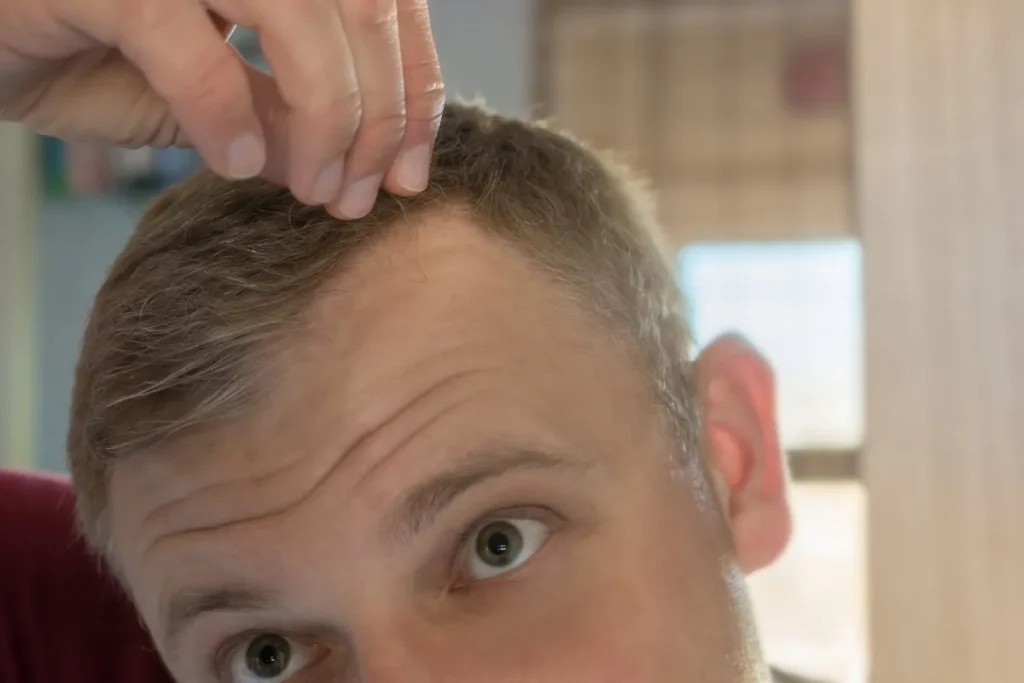
Identifying the First Signs: How to Spot Early Recession
Detecting the early stages of receding hairline involves paying attention to subtle visual changes that many overlook. Here are the key signs to monitor during routine grooming:
- Visible widening of the part line, especially when the hair is wet.
- Miniaturized hairs that appear thinner and shorter at the temples.
- Increased scalp visibility when pulling hair back.
- Noticeable hair shedding on pillowcases or in the shower.
- Changes in hair texture, such as a shift from thick to fine strands.
Photographic documentation can be a valuable tool. Take a clear photo of your frontal hairline every month under consistent lighting. Over time, you’ll be able to see trends that indicate whether the recession is accelerating.
For women, the pattern may differ slightly, often presenting as diffuse thinning that still affects the frontal area. Early detection in both sexes opens the door to more effective interventions before the hairline becomes permanently altered.
Non‑Surgical Strategies to Slow Down Early Hairline Loss
Before considering a transplant, many patients explore non‑surgical options that can halt or even reverse the progression of a receding hairline. These approaches focus on improving scalp health, reducing DHT impact, and encouraging natural regrowth.
Topical Treatments
- Minoxidil (5% solution) – stimulates follicular activity and prolongs the growth phase.
- Finasteride‑based shampoos – provide low‑dose DHT inhibition without systemic side effects.
- Natural extracts – saw palmetto, pumpkin seed oil, and caffeine have shown modest benefits.
Oral Medications
- Finasteride 1 mg daily – reduces DHT levels and is clinically proven for early male pattern baldness.
- Dutasteride – a stronger DHT blocker, often prescribed when finasteride is insufficient.
- Spironolactone – used off‑label for women to counteract androgen effects.
Lifestyle Adjustments
- Balanced diet rich in protein, iron, zinc, and omega‑3 fatty acids.
- Stress‑management techniques such as meditation, yoga, or regular exercise.
- Avoiding tight hairstyles that cause traction alopecia.
| Method | Primary Benefit | Typical Time to See Results |
|---|---|---|
| Minoxidil | Increases follicle size | 3‑6 months |
| Finasteride (oral) | Reduces DHT production | 6‑12 months |
| Nutrition & Lifestyle | Supports overall hair health | Variable, ongoing |
While these measures can be highly effective for many, they work best when started during the early stages of receding hairline. Consistency is key; discontinuing treatment often leads to a rapid return of hair loss.
When Surgical Intervention Becomes the Right Choice
If non‑surgical methods fail to stabilize the hairline or if the recession progresses rapidly, surgical restoration may be the most reliable solution. Modern techniques such as Follicular Unit Extraction (FUE) and Direct Hair Implantation (DHI) offer high graft survival rates and natural‑looking results.
Assessing Suitability
- Degree of hair loss – measured by the Norwood (men) or Ludwig (women) scales.
- Donor area density – sufficient healthy follicles are needed for grafting.
- Scalp laxity – determines the ease of extraction and implantation.
- Patient health – chronic illnesses or certain medications may affect healing.
Procedure Overview
- Consultation and detailed scalp analysis.
- Extraction of individual follicular units using a micro‑punch (FUE) or a DHI implanter pen.
- Creation of tiny recipient sites along the frontal hairline.
- Implantation of grafts at appropriate angles to mimic natural growth.
- Post‑operative care and follow‑up visits.
Both FUE and DHI are minimally invasive, leaving virtually no linear scar and allowing a quick return to daily activities. The choice between them depends on the patient’s specific goals, donor hair quality, and the clinic’s expertise.
Maintaining Results After Treatment
Whether you opt for medication, lifestyle changes, or a surgical transplant, long‑term maintenance is essential to preserve the hard‑won gains. The following practices help ensure that the hairline remains stable and continues to thrive.
- Continue prescribed topical or oral therapies as recommended by your specialist.
- Schedule regular follow‑up appointments to monitor graft health and scalp condition.
- Protect the scalp from UV damage using a hat or sunscreen with SPF 30+.
- Maintain a protein‑rich diet and stay hydrated to support follicle nutrition.
- Avoid harsh chemical treatments or excessive heat styling that can stress new growth.
Patients who adhere to a comprehensive after‑care plan report higher satisfaction rates and lower chances of secondary recession. Remember, hair restoration is a partnership between you and your clinic; ongoing communication ensures optimal outcomes.
Why Choose Gold City Hair for Early Hairline Restoration
Gold City Hair combines over seven years of expertise with cutting‑edge FUE and DHI technologies, delivering personalized treatment plans tailored to each individual’s pattern of loss. Our team prioritizes transparent communication, thorough diagnostic analysis, and post‑procedure support to maximize graft survival and aesthetic harmony. By choosing Gold City Hair, you benefit from a clinic that values both clinical excellence and the confidence that comes with a natural‑looking hairline.
Ready to take control of your hairline today? Contact Gold City Hair for a personalized consultation and discover the most effective solution for your early stages of receding hairline.
Start your journey toward renewed confidence—schedule your appointment now.
FAQ
What are the most common causes of an early receding hairline?
The main causes include androgenetic alopecia, hormonal changes, traction alopecia, medical conditions, and nutritional deficiencies.
How can I identify the first signs of a receding hairline?
Look for widening part lines, miniaturized hairs at the temples, increased scalp visibility, and more hair on pillowcases.
What non‑surgical treatments are effective for early hairline loss?
Topical minoxidil, finasteride‑based shampoos, oral finasteride or dutasteride, spironolactone for women, and lifestyle changes are commonly used.
When should I consider surgical hair restoration for a receding hairline?
Surgery is advisable when non‑surgical methods fail, the recession progresses rapidly, or the donor area has sufficient density.
How can I maintain results after a hair transplant or medication?
Continue prescribed treatments, attend follow‑up visits, protect scalp from UV, maintain a protein‑rich diet, and avoid harsh styling.
Why should I choose Gold City Hair for early hairline restoration?
Gold City Hair offers over seven years of expertise, advanced FUE and DHI technology, personalized plans, and comprehensive after‑care.





