In the evolving field of hair loss therapy, exosome hair restoration has emerged as a cutting‑edge option that promises natural regrowth and minimal downtime. As more individuals seek effective, science‑backed treatments, understanding this technology becomes essential. Recent studies suggest that exosomes can stimulate dormant hair follicles, offering hope to those who have tried conventional methods without success.
This article delves into the science behind exosome therapy, outlines what patients can expect during a treatment session, identifies ideal candidates, and compares results with other popular interventions. By the end, you’ll have a clear picture of how this innovative approach fits into a comprehensive hair restoration plan.
Whether you’re exploring exosome therapy for hair loss or simply curious about the latest advances, the information below will help you make an informed decision.
Understanding Exosome Therapy for Hair Loss
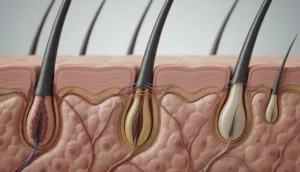
Exosomes are nano‑sized vesicles released by stem cells that carry proteins, RNA, and growth factors essential for cellular communication. When injected into the scalp, they act as messengers that trigger the regeneration of hair follicles, improve blood flow, and reduce inflammation.
Compared with traditional PRP hair therapy, exosome treatment offers a higher concentration of regenerative signals without the need for drawing the patient’s blood. This distinction often translates to faster results and a lower risk of allergic reactions.
- Stimulates dormant follicles
- Enhances scalp micro‑circulation
- Reduces inflammation and oxidative stress
- Supports collagen synthesis for healthier scalp skin
| Feature | Exosome Therapy | PRP Therapy |
|---|---|---|
| Source of Growth Factors | Stem‑cell‑derived exosomes | Patient’s own platelets |
| Procedure Time | 30–45 minutes | 45–60 minutes |
| Number of Sessions | Typically 3–4 | 3–6 |
| Downtime | Minimal, no swelling | Possible redness, mild swelling |
Patients often ask, “What is exosomes treatment?” In simple terms, it is a non‑surgical, injectable therapy that leverages the body’s own regenerative capacity. The growing popularity of exosome hair restoration reflects its reputation as a safe, effective, and versatile option for various stages of hair loss.
The Procedure: What to Expect During an Exosome Hair Restoration Session
Understanding the step‑by‑step process helps alleviate anxiety and ensures optimal results. A typical session at Gold City Hair follows a standardized protocol designed for safety and efficacy.
Pre‑Treatment Consultation
During the initial consultation, the specialist assesses your scalp condition, medical history, and goals. This evaluation determines the appropriate concentration of exosomes and the number of sessions required.
Preparation and Anesthesia
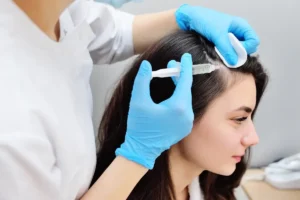
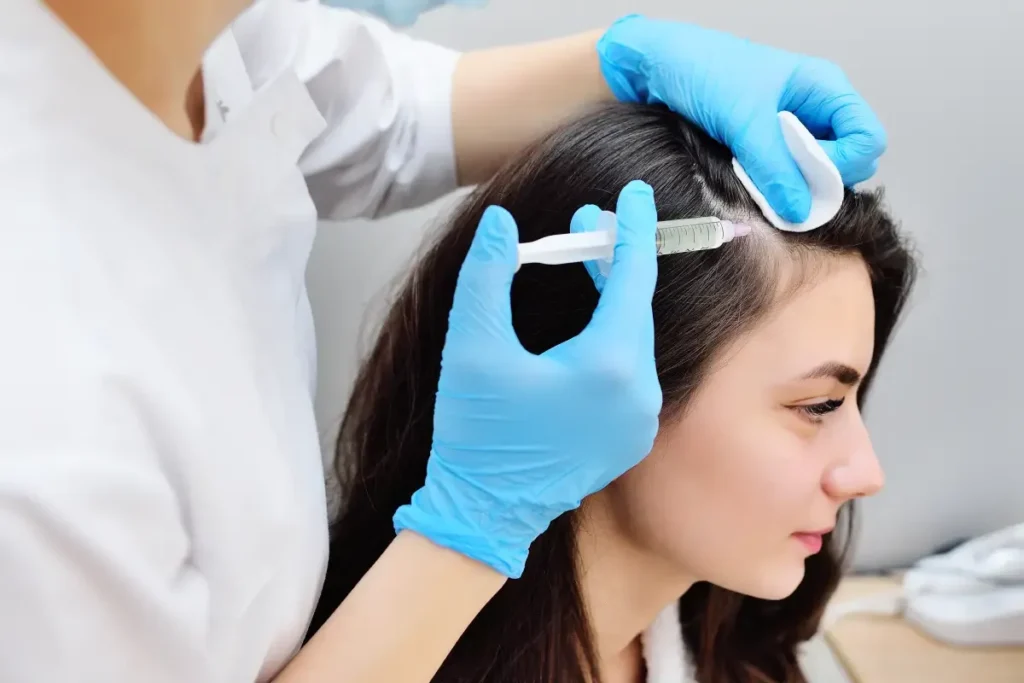
The scalp is cleansed, and a topical anesthetic is applied to minimize discomfort. Unlike surgical transplants, no incisions are made, and the procedure remains minimally invasive.
Injection Technique
Using a fine‑gauge needle, the practitioner injects the exosome solution into the targeted areas. The distribution follows a grid pattern to ensure uniform coverage.
Post‑Procedure Care
Patients receive detailed after‑care instructions, including gentle washing, avoiding direct sunlight for 24 hours, and refraining from vigorous exercise for a few days.
- Consultation and scalp analysis
- Application of topical anesthetic
- Precise exosome injection
- Immediate post‑treatment observation
- Follow‑up schedule and home care guidance
Most individuals resume normal activities within the same day, making exosome hair restoration a convenient option for busy lifestyles.
Who Benefits Most from Exosome Hair Restoration?
While exosome therapy is versatile, certain groups experience particularly notable outcomes. Understanding candidacy helps set realistic expectations.
Types of Hair Loss Addressed
Exosome hair restoration is effective for both androgenetic alopecia (male and female pattern baldness) and diffuse thinning caused by stress, hormonal changes, or nutritional deficiencies.
Ideal Candidate Profile
- Early‑stage to moderate hair loss (Norwood 2‑4 for men, Ludwig 1‑2 for women)
- Individuals seeking a non‑surgical alternative
- Patients who have not responded well to minoxidil or finasteride
- Those looking to enhance the results of a prior hair transplant
- People with healthy scalp skin and no active infections
Even patients with advanced thinning can benefit when exosomes are combined with surgical techniques such as FUE or DHI. The therapy’s ability to improve graft survival makes it a valuable adjunct.
Cost considerations also play a role. While exosome therapy is generally more affordable than a full‑scale transplant, prices vary based on the number of sessions and the concentration of exosomes used.
Results, Recovery Time, and Long‑Term Maintenance
One of the most common questions is, “How soon will I see results?” While individual responses vary, a typical timeline is outlined below.
| Time Frame | Expected Outcome |
|---|---|
| Weeks 1–2 | Scalp may feel slightly tingling; no visible growth yet |
| Weeks 4–8 | Early signs of new hair shafts emerging |
| Months 3–6 | Noticeable increase in density and thickness |
| Months 9–12 | Full maturation of new hair; results stabilize |
Most patients report minimal downtime, with normal activities resuming within 24–48 hours. Long‑term maintenance may involve periodic “booster” sessions every 6–12 months, depending on individual hair growth cycles and lifestyle factors.
When evaluating cost, consider both the upfront price of each session and the potential reduction in future expenses due to decreased need for additional surgical interventions. Many find that the investment pays off through sustained hair density and boosted confidence.
Combining Exosome Therapy with Traditional Transplant Techniques
Gold City Hair leverages the synergy between exosome therapy and established surgical methods such as FUE (Follicular Unit Extraction) and DHI (Direct Hair Implantation). This combined approach maximizes graft survival and accelerates overall recovery.
Why Combine?
Exosomes enhance the micro‑environment of the scalp, promoting angiogenesis and reducing inflammation. When applied before or after a transplant, they create a more receptive bed for grafts, leading to higher take‑rates and thicker, more natural‑looking results.
Typical Protocol
- Initial exosome session to prime the scalp
- FUE or DHI transplant performed 2–4 weeks later
- Follow‑up exosome boosters at 3‑month intervals to sustain growth
Patients who opt for this integrated plan often experience faster visible improvements and a reduced need for repeat surgical sessions. The flexibility of exosome dosing also allows clinicians to tailor treatment intensity to each individual’s response.
Choosing a clinic that offers both expertise in surgical transplantation and advanced regenerative therapies ensures a seamless, comprehensive experience.
Why Choose Gold City Hair for Exosome Hair Restoration
Since 2017, Gold City Hair has been at the forefront of aesthetic and cosmetic hair solutions in Turkey. Our team combines extensive experience in FUE, DHI, and eyebrow/beard transplants with the latest regenerative technologies, ensuring each patient receives a personalized, transparent treatment plan.
We prioritize safety, use clinically‑validated exosome preparations, and maintain open communication throughout the journey. By selecting Gold City Hair, you benefit from a trusted clinic dedicated to restoring confidence through natural‑looking results.
Ready to explore how exosome hair restoration can revitalize your scalp? Contact Gold City Hair today to schedule a free consultation and take the first step toward fuller, healthier hair.
FAQ
What is exosome hair restoration and how does it work?
Exosome hair restoration is a non‑surgical injectable treatment that uses stem‑cell‑derived exosomes to stimulate dormant hair follicles and promote regrowth.
How does exosome therapy differ from PRP hair therapy?
Exosome therapy uses stem‑cell‑derived vesicles, while PRP relies on the patient’s own platelets to provide growth factors.
What can I expect during an exosome hair restoration session?
A typical session lasts 30–45 minutes and includes a consultation, scalp preparation, anesthetic application, and precise exosome injections.
Who is an ideal candidate for exosome hair restoration?
Early‑stage to moderate androgenetic alopecia, diffuse thinning, or patients seeking a non‑surgical alternative are ideal candidates.
How long does it take to see results after exosome treatment?
Most patients notice early signs of new hair shafts between 4–8 weeks, with full maturation by 9–12 months.
Can exosome therapy be combined with a hair transplant?
Yes, exosomes are often used before or after FUE/DHI transplants to improve graft survival and accelerate healing.