In the quest for effective exosome hair treatment, many individuals are turning to cutting‑edge regenerative medicine to combat thinning hair and baldness. This article explains how exosomes work, the benefits you can expect, and why the procedure is gaining popularity among hair loss therapy options. With over 480 monthly searches worldwide, the interest in this innovative approach reflects a growing demand for solutions that go beyond traditional transplants.
Hair loss affects up to 40 % of men and women at some point in their lives, often leading to reduced confidence and self‑esteem. While surgical methods like FUE and DHI have long been the gold standard, non‑surgical alternatives such as exosome therapy are emerging as powerful adjuncts or standalone treatments. Understanding the science behind exosomes helps you make an informed decision about whether this therapy fits your personal hair restoration plan.
In the sections that follow, we will explore the biological mechanisms, expected outcomes, procedural steps, combination strategies, and safety profile of exosome hair treatment. By the end, you will have a clear picture of how this therapy can be integrated into a comprehensive hair loss treatment plan.
How Exosome Therapy Works for Hair Regeneration
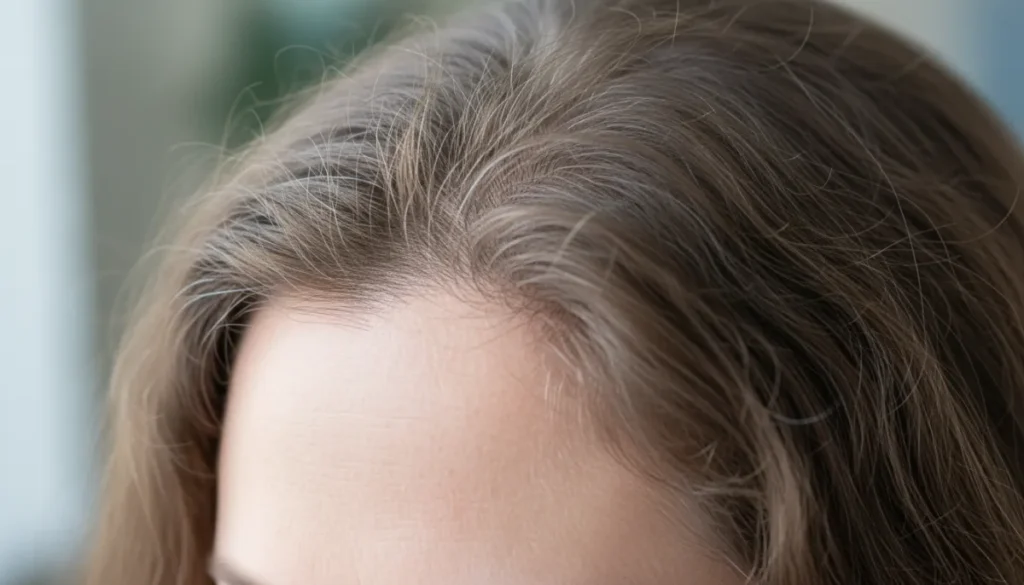
Exosomes are nano‑sized vesicles released by stem cells that carry proteins, RNA, and growth factors essential for cellular communication. When injected into the scalp, these vesicles act as messengers, signaling dormant hair follicles to re‑enter the growth phase (anagen) and encouraging the formation of new follicles. Unlike direct stem cell injections, exosomes do not contain live cells, reducing the risk of immune reactions while still delivering the regenerative payload.
The process begins with the isolation of mesenchymal stem cells (MSCs) from donor tissue, typically adipose or umbilical cord sources. In a controlled laboratory environment, MSCs are cultured, and their exosomes are harvested through ultracentrifugation. The resulting exosome concentrate is then purified, tested for sterility, and prepared for clinical use.
Once administered, exosomes interact with the scalp’s micro‑environment, stimulating angiogenesis (new blood vessel formation) and enhancing the secretion of vascular endothelial growth factor (VEGF). This improved blood flow supplies nutrients and oxygen to hair follicles, which is crucial for robust hair growth. Additionally, exosomes modulate inflammation, a common contributor to hair loss, by down‑regulating pro‑inflammatory cytokines.
Research comparing exosome therapy with traditional platelet‑rich plasma (PRP) shows that exosomes contain a broader spectrum of growth factors, including insulin‑like growth factor‑1 (IGF‑1) and fibroblast growth factor‑2 (FGF‑2), leading to more pronounced and longer‑lasting results.
- Exosomes deliver genetic material that re‑activates dormant follicular stem cells.
- They promote angiogenesis, improving scalp vascularization.
- Anti‑inflammatory properties reduce follicular miniaturization.
Overall, the biological cascade triggered by exosome injection creates a fertile ground for hair regeneration, making it a promising option for those seeking a non‑surgical, regenerative approach.
Benefits and Expected Results of Exosome Hair Treatment
Patients who opt for exosome hair treatment often report several key advantages over conventional methods. First, the procedure is minimally invasive, requiring only micro‑injections into the scalp without the need for anesthesia or surgical incisions. This results in shorter recovery times—most individuals resume normal activities within 24‑48 hours.
Second, the treatment can be tailored to various stages of hair loss. Whether you are experiencing early thinning (Norwood II‑III) or more advanced balding (Norwood V‑VI), exosomes can stimulate existing follicles and, in many cases, encourage the growth of new ones. Clinical observations indicate an average increase of 20‑30 % in hair density after three to four monthly sessions.
Third, exosome therapy complements other hair loss solutions. Many clinics combine exosomes with PRP, low‑level laser therapy (LLLT), or even surgical transplants to enhance graft survival and overall outcomes. This synergistic approach often leads to faster and more durable results.
Below is a concise comparison of exosome therapy against other popular non‑surgical options:
| Feature | Exosome Hair Treatment | PRP Therapy | Low‑Level Laser Therapy |
|---|---|---|---|
| Mechanism | Stem‑cell‑derived vesicles delivering growth factors & RNA | Concentrated platelets releasing growth factors | Photobiomodulation stimulating cellular metabolism |
| Number of Sessions | 3‑5 monthly sessions | 4‑6 monthly sessions | Daily or several times per week |
| Recovery Time | 1‑2 days | 2‑3 days | None |
| Typical Density Increase | 20‑30 % | 10‑15 % | 5‑10 % |
| Compatibility with Surgery | Highly compatible | Compatible | Compatible |
While results vary based on individual genetics, age, and the underlying cause of hair loss, most patients notice thicker, fuller hair within three months of initiating treatment. Consistency is key; adhering to the recommended session schedule maximizes the regenerative potential of exosomes.
The Treatment Process: What to Expect During Your Session
The exosome hair treatment journey begins with a thorough consultation. During this visit, a certified specialist evaluates your scalp condition, medical history, and hair loss pattern to determine suitability. High‑resolution dermatoscopy and, if needed, a scalp biopsy may be performed to assess follicular health.
Once deemed appropriate, the clinician prepares the exosome solution under sterile conditions. The scalp is cleansed, and a topical anesthetic may be applied to minimize discomfort, although many patients report only mild tingling during the injections.
Using a fine‑gauge needle (typically 30‑31 G), the practitioner administers the exosome concentrate at strategic points across the affected area. The injection pattern follows a grid‑like layout, ensuring even distribution and optimal coverage of the scalp. Each session lasts approximately 30‑45 minutes.
Post‑procedure care is straightforward. Patients are advised to avoid harsh chemical shampoos, excessive heat, and direct sunlight for 24‑48 hours. Gentle washing with a mild, sulfate‑free shampoo is permissible after the first day. Most individuals experience mild redness or swelling that resolves within a day.
Follow‑up appointments are scheduled every four weeks for the initial series of treatments. During each visit, the clinician assesses progress, adjusts injection sites as needed, and may recommend adjunctive therapies such as topical minoxidil or nutritional supplements to support hair growth.
- Initial consultation and scalp analysis.
- Preparation of sterile exosome solution.
- Micro‑injections across the target area (30‑45 min).
- Simple after‑care instructions and short recovery.
- Regular follow‑up sessions for optimal results.
Combining Exosomes with Other Hair Loss Therapies
Exosome therapy is highly versatile and can be integrated with established hair loss solutions to amplify results. One common protocol pairs exosomes with platelet‑rich plasma (PRP). While PRP supplies a burst of growth factors, exosomes provide a sustained release of signaling molecules, creating a two‑phase regenerative environment.
Another popular combination involves low‑level laser therapy (LLLT). LLLT enhances cellular metabolism, and when followed by exosome injections, the scalp’s receptivity to the vesicles improves, leading to higher follicular activation rates. Patients who undergo both modalities often report faster visible improvements.
For those considering surgical hair transplantation, exosome injections can be administered both pre‑ and post‑operatively. Pre‑operative exosome therapy prepares the donor and recipient sites by increasing vascularity, which can improve graft take. Post‑operative exosome sessions help reduce inflammation, accelerate healing, and support the longevity of transplanted follicles.
Below is a brief outline of recommended combination protocols:
- Exosomes + PRP: Alternate weekly; PRP on week 1, exosomes on week 2.
- Exosomes + LLLT: LLLT sessions 3‑4 times per week, exosome injection every 4 weeks.
- Exosomes + FUE/DHI Transplant: Exosome session 2 weeks before surgery, followed by a post‑surgery session at week 4.
When integrating treatments, it is essential to work with a qualified clinic that understands the timing and dosage of each modality. This ensures safety, maximizes efficacy, and minimizes the risk of over‑stimulation of the scalp.
Safety, Side Effects, and Frequently Asked Concerns
Safety is a paramount consideration for any regenerative procedure. Because exosomes are cell‑free, the risk of immune rejection is significantly lower than with direct stem‑cell injections. The products used in reputable clinics undergo rigorous testing for sterility, endotoxin levels, and particle size distribution.
Common, mild side effects include temporary redness, swelling, or a tingling sensation at the injection sites. These reactions typically resolve within 24‑48 hours without medical intervention. Rarely, patients may experience minor bruising or a brief headache, which can be managed with over‑the‑counter pain relievers.
Exosome therapy is not recommended for individuals with active scalp infections, uncontrolled autoimmune disorders, or those who are pregnant or nursing. A thorough medical history review helps identify any contraindications before treatment begins.
Many patients ask whether the results are permanent. While exosomes stimulate natural hair growth, ongoing maintenance—such as periodic booster sessions or complementary topical treatments—helps preserve the gains, especially in progressive hair loss conditions like androgenetic alopecia.
Overall, the procedure boasts a favorable safety profile, and when performed by experienced professionals, it offers a reliable avenue for hair regeneration with minimal downtime.
Why Choose Gold City Hair
At Gold City Hair, we combine over six years of expertise in hair restoration with state‑of‑the‑art regenerative technologies. Our team of certified specialists tailors each exosome hair treatment to the individual’s unique scalp condition, ensuring optimal results and a comfortable experience. We prioritize transparent communication, detailed treatment planning, and post‑procedure support, making us a trusted partner for those seeking lasting confidence through hair restoration.
Ready to revitalize your hair with cutting‑edge exosome therapy? Contact Gold City Hair today to schedule your personalized consultation and take the first step toward a fuller, healthier scalp.
FAQ
What is exosome hair treatment and how does it work?
Exosome hair treatment uses nano‑sized vesicles derived from stem cells to deliver growth factors and RNA to the scalp, re‑activating dormant hair follicles.
What are the main benefits of exosome therapy compared to PRP?
Exosomes deliver a broader spectrum of growth factors and genetic material, leading to stronger and longer‑lasting hair regrowth than PRP alone.
How many exosome sessions are typically needed to see results?
Most patients notice visible improvement after 3‑4 monthly sessions, with optimal results after completing a series of 5 sessions.
Is exosome hair treatment safe and what side effects might occur?
Exosome therapy is considered safe with minimal side effects, typically mild redness or swelling that resolves within a day.
Can exosome therapy be combined with hair transplant surgery?
Yes, exosomes can be used before and after a transplant to improve graft survival and accelerate healing.
What is the typical recovery time after an exosome hair treatment session?
Recovery is quick; most patients resume normal activities within 24‑48 hours.