Many women notice an uneven hairline female pattern as part of natural aging or hormonal changes. This condition can affect confidence and make styling a daily challenge. Understanding the root causes, accurate diagnosis, and the range of treatment options is essential for achieving a smooth, natural‑looking hairline.
Studies show that up to 30% of women experience some form of hairline irregularity by the age of 40, often linked to genetics, stress, or nutritional deficiencies. Whether the hairline appears jagged, receding, or asymmetrical, there are effective strategies to restore balance.
In this article we will explore the common reasons behind an uneven hairline in women, how to evaluate the condition, non‑surgical remedies, advanced surgical techniques such as FUE and DHI, and the after‑care needed for lasting results. By the end, you’ll have a clear roadmap to a healthier, more symmetrical hairline.
Understanding the Causes of an Uneven Hairline in Women
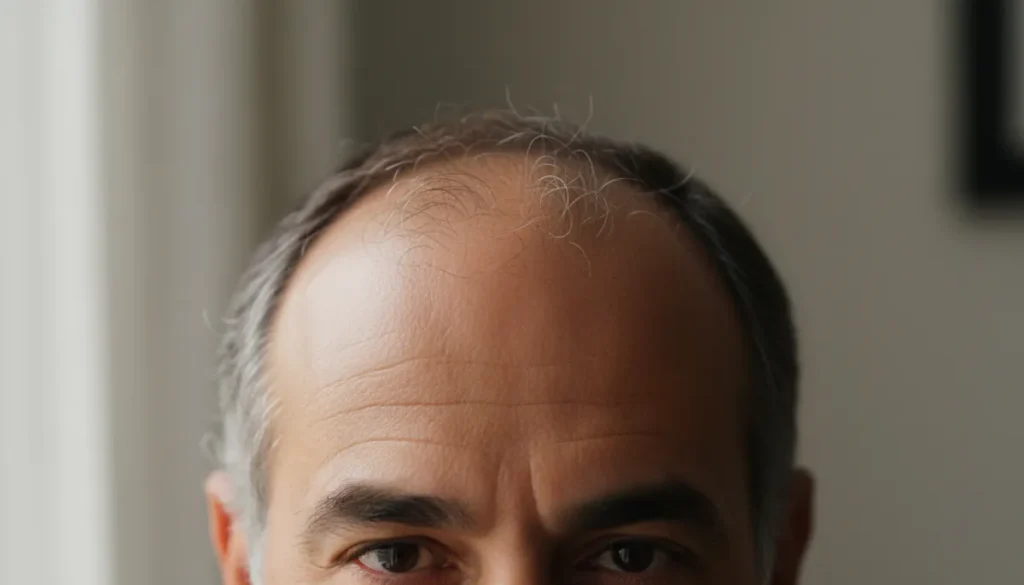
An uneven hairline female can stem from a variety of factors. Recognizing the underlying cause helps tailor the most effective treatment plan.
Genetic Predisposition
Family history plays a significant role. Women who inherit a tendency for a receding or irregular hairline may notice the pattern early in adulthood.
Hormonal Shifts
Fluctuations during pregnancy, menopause, or thyroid disorders can lead to thinning at the front of the scalp, creating a jagged appearance.
Trauma and Styling Practices
Repeated tension from tight ponytails, braids, or harsh hair accessories can cause traction alopecia, resulting in an uneven front line.
Medical Conditions
Autoimmune diseases such as alopecia areata may produce patchy hair loss that disrupts the natural hairline shape.
- Receding hairline women
- Thinning hairline
- Bad hairline due to traction
- Frontal baldness
Understanding these causes enables a targeted approach, whether opting for lifestyle adjustments, medical therapy, or surgical correction.
How to Assess and Diagnose Your Hairline Issue
Accurate assessment is the cornerstone of effective treatment for an uneven hairline female. A professional evaluation combines visual inspection with diagnostic tools.
Visual Examination
Clinicians examine the hairline symmetry, density, and pattern of loss. They may use a handheld magnifier to detect subtle irregularities.
Trichoscopy
This non‑invasive dermatoscopic technique provides a magnified view of hair follicles, helping differentiate between traction alopecia, hormonal thinning, and early receding hairline.
Scalp Biopsy (When Needed)
In rare cases, a small tissue sample may be taken to rule out underlying autoimmune conditions.
| Assessment Method | Purpose | Typical Findings |
|---|---|---|
| Visual Examination | Identify obvious asymmetry | Jagged or receding front line |
| Trichoscopy | Analyze follicle health | Miniaturized hairs, peripilar signs |
| Scalp Biopsy | Detect inflammatory patterns | Lymphocytic infiltrate, follicular destruction |
By combining these methods, specialists can pinpoint whether the issue is a “bad hairline,” early receding hairline, or a more complex condition, guiding the choice between non‑surgical or surgical interventions.
Non‑Surgical Options to Improve an Uneven Hairline
For many women, especially those with mild irregularities, non‑surgical solutions can effectively smooth the hairline without the need for surgery.
Topical Treatments
Minoxidil (2% or 5%) is FDA‑approved for female pattern hair loss and can stimulate regrowth at the front of the scalp. Consistent application over 4‑6 months often yields visible thickening.
Platelet‑Rich Plasma (PRP) Therapy
PRP involves injecting concentrated platelets from the patient’s own blood to promote follicular activity. Clinical studies report a 30‑45% improvement in hair density for women with early receding hairline.
Low‑Level Laser Therapy (LLLT)
Laser combs or caps deliver red light to stimulate cellular metabolism, supporting hair growth in the thinning hairline area.
Cosmetic Camouflaging
Strategic styling, hair fibers, and semi‑permanent pigments can mask minor unevenness while longer‑term treatments take effect.
- Finasteride is generally avoided in women due to hormonal considerations.
- Hairline receding treatment plans often combine minoxidil with PRP for synergistic results.
- Consistent nutrition and stress management support overall hair health.
While these methods can improve the appearance of an uneven hairline female, they require patience and adherence to a regular regimen.
Surgical Hair Restoration Techniques for Women with an Uneven Hairline
When non‑surgical approaches are insufficient, modern hair transplant techniques offer precise correction of an uneven hairline in women.
Follicular Unit Extraction (FUE)
FUE removes individual follicular units from a donor area (usually the back of the scalp) and implants them into the frontal zone. The technique allows meticulous placement to create a natural, symmetrical line.
Direct Hair Implantation (DHI)
DHI uses a patented implanter pen that places grafts at a controlled depth and angle, reducing trauma and improving graft survival. This method is ideal for delicate frontal zones.
Eyebrow and Beard Transplants (Adjunct)
In some cases, patients also seek eyebrow or beard restoration to complement a balanced facial aesthetic, which Gold City Hair offers with the same precision.
| Technique | Advantages | Typical Recovery |
|---|---|---|
| FUE | Minimal scarring, high graft survival | 7‑10 days |
| DHI | Precise angle control, faster implantation | 5‑8 days |
Both FUE and DHI can be customized to correct an uneven hairline female pattern, delivering a seamless transition from the forehead to the crown. A skilled surgeon will design the hairline based on facial proportions, ensuring a “good hairline” that complements the individual’s features.
Aftercare and Long‑Term Maintenance for a Balanced Hairline
Successful restoration of an uneven hairline female requires diligent aftercare to protect grafts and maintain hair health.
Immediate Post‑Procedure Care
Patients should keep the scalp clean, avoid direct sun exposure, and follow prescribed medication schedules, including anti‑inflammatory agents and antibiotics if recommended.
Ongoing Hair Health Regimen
Incorporate a balanced diet rich in biotin, zinc, and omega‑3 fatty acids. Regular scalp massages improve blood flow, supporting graft survival.
Periodic Follow‑Up Treatments
PRP sessions every 3‑4 months and occasional low‑level laser therapy can sustain density and prevent future thinning.
- Monitor for signs of infection or excessive shedding.
- Maintain a gentle hair care routine—avoid harsh chemicals and tight hairstyles.
- Schedule annual check‑ups with your surgeon to assess hairline stability.
By combining proper aftercare with lifestyle adjustments, women can enjoy a lasting, natural‑looking hairline that remains even and full for years.
Why Choose Gold City Hair
Gold City Hair has been delivering personalized hair restoration solutions in Turkey since 2017. Our clinic specializes in FUE, DHI, and eyebrow/beard transplants, emphasizing transparent communication and individualized treatment plans. With a team of experienced surgeons and state‑of‑the‑art facilities, we ensure each patient receives a natural‑looking, confidence‑boosting result.
Ready to transform your uneven hairline and regain confidence? Contact Gold City Hair today to schedule a personalized consultation and discover the best solution for your unique needs.
FAQ
What causes an uneven hairline in women?
Genetics, hormonal changes, traction from styling, and certain medical conditions can all lead to an uneven hairline.
How is an uneven hairline diagnosed?
Diagnosis combines visual examination, trichoscopy, and sometimes a scalp biopsy.
What non‑surgical options are available for an uneven hairline?
Topical minoxidil, PRP therapy, low‑level laser therapy, and cosmetic camouflaging are common non‑surgical solutions.
When is surgical hair restoration recommended?
Surgery is advised when non‑surgical methods are insufficient to achieve desired symmetry.
What aftercare is needed after a hairline transplant?
Proper scalp hygiene, sun protection, nutrition, and periodic PRP or laser sessions support graft survival.
Why choose Gold City Hair for hairline correction?
Gold City Hair offers experienced surgeons, FUE and DHI expertise, and personalized aftercare in Turkey.





