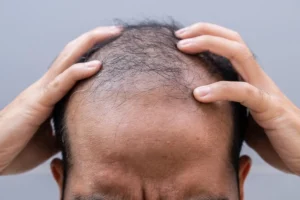
Floral pattern baldness is a distinct form of hair loss that presents with a unique, petal‑like thinning pattern on the scalp. While many people are familiar with the classic receding hairline of male pattern baldness, this condition can be confusing because its visual cues differ significantly. Understanding the causes, symptoms, and treatment pathways is essential for anyone noticing unusual hair thinning.
Recent studies indicate that up to 12% of individuals experiencing hair loss may exhibit this atypical pattern, making early recognition vital for effective intervention. Whether you are a man or a woman, recognizing the early signs can prevent further progression and open the door to personalized treatment options.
In this article, we will define floral pattern baldness, compare it with more common types such as male pattern baldness and female pattern baldness, discuss diagnostic methods, explore the latest treatment options—including advanced transplant techniques offered by Gold City Hair—and share lifestyle tips to support hair health.
Understanding Floral Pattern Baldness

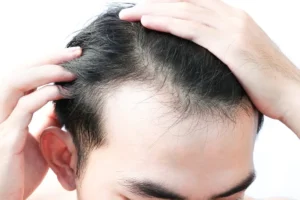
The term floral pattern baldness describes a hair loss pattern where thinning radiates outward from a central point, resembling the petals of a flower. This pattern often begins in the crown area and may spread laterally, creating a symmetrical, decorative appearance. The underlying cause is typically linked to androgenetic alopecia, the same hormonal mechanism driving male pattern baldness, but the expression on the scalp differs due to genetic and vascular factors.
Key characteristics include:
- Petal‑shaped patches of thinning rather than a uniform recession.
- Preservation of the frontal hairline in many cases.
- Gradual expansion of the “flower” over months or years.
While the exact trigger remains under research, hormonal imbalances, particularly elevated dihydrotestosterone (DHT), and microcirculatory changes in the scalp are believed to play pivotal roles. Unlike diffuse thinning, the pattern is often symmetrical, making it easier to identify during a clinical examination.
How It Differs From Common Pattern Baldness
Although all forms of pattern baldness share a hormonal basis, floral pattern baldness stands apart in its visual presentation and progression timeline. Below is a comparison of the most prevalent types.
| Feature | Floral Pattern Baldness | Male Pattern Baldness | Female Pattern Baldness |
|---|---|---|---|
| Typical Starting Area | Crown, radiating outward | Hairline and vertex | Diffuse thinning over crown |
| Visual Shape | Petal‑like, symmetrical | Receding “M” shape | Overall reduction, no distinct shape |
| Frontal Hairline | Often preserved | Often recedes | Usually intact |
| Progression Speed | Slow to moderate | Variable, can be rapid | Gradual |
| Common Treatments | Transplant, PRP, medication | Finasteride, Minoxidil, transplant | Minoxidil, low‑level laser, transplant |
Understanding these distinctions helps clinicians tailor interventions. For instance, because the frontal hairline is often untouched in floral pattern baldness, a Follicular Unit Extraction (FUE) transplant can focus on the crown without compromising existing hair.
Diagnosis and Assessment
Accurate diagnosis is the cornerstone of effective treatment. Dermatologists and hair restoration specialists use a combination of visual inspection, medical history, and specialized tools to confirm floral pattern baldness and rule out other conditions such as alopecia areata or scarring alopecia.
Typical assessment steps include:
- Comprehensive scalp examination under magnification.
- Patient questionnaire covering family history, hormonal status, and lifestyle factors.
- Trichoscopy to view follicular units and vascular patterns.
- Blood tests to evaluate thyroid function, iron levels, and hormonal profiles.
- Optional scalp biopsy for histological confirmation.
These evaluations help differentiate floral pattern baldness from androgenetic alopecia variants and guide the selection of appropriate therapies.
Treatment Options Available
Modern hair restoration offers a spectrum of solutions for floral pattern baldness, ranging from medical therapies to surgical interventions. The choice depends on the severity of thinning, patient preferences, and overall health.
Medical Therapies
- Finasteride – an oral DHT blocker often prescribed for men; off‑label use in women may be considered under specialist supervision.
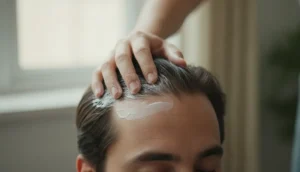
- Minoxidil – a topical solution that stimulates follicular activity; available in 2% and 5% formulations.
- Platelet‑Rich Plasma (PRP) – injections that deliver growth factors to the scalp, enhancing natural hair growth.
Surgical Options
- Follicular Unit Extraction (FUE) – individual follicles are harvested from a donor area (usually the back of the head) and implanted into the thinning crown, preserving the natural hairline.
- Direct Hair Implantation (DHI) – a refined FUE technique using a specialized implanter pen for higher graft survival rates.
- Eyebrow and Beard Transplants – for patients who also experience facial hair loss, these procedures can be combined for a comprehensive aesthetic solution.
At Gold City Hair, all procedures are performed by board‑certified surgeons with extensive experience in FUE and DHI, ensuring optimal graft placement that respects the floral pattern’s unique geometry.
Lifestyle and Prevention Strategies
While genetics play a dominant role, lifestyle factors can influence the progression of floral pattern baldness. Implementing healthy habits may slow thinning and improve overall scalp health.
Key recommendations include:
- Balanced Nutrition – consume adequate protein, iron, zinc, and omega‑3 fatty acids to support follicle vitality.
- Stress Management – chronic stress elevates cortisol, which can exacerbate hair loss; practices such as meditation, yoga, or regular exercise are beneficial.
- Avoid Harsh Treatments – limit excessive heat styling, tight hairstyles, and chemical relaxers that can stress the hair shaft.
- Scalp Care – gentle cleansing, occasional scalp massage, and using mild, sulfate‑free shampoos promote circulation.
- Regular Monitoring – schedule periodic check‑ups with a hair specialist to track changes and adjust treatment plans promptly.
Combining these habits with medical or surgical interventions maximizes the chances of restoring a fuller, natural‑looking crown.
Why Choose Gold City Hair
Gold City Hair has been delivering personalized hair restoration solutions in Turkey since 2017. Our clinic specializes in advanced techniques such as FUE and DHI, ensuring high graft survival and natural‑looking results. We prioritize transparent communication, thorough pre‑procedure assessments, and post‑treatment support, helping each patient regain confidence through lasting hair restoration.
Ready to address floral pattern baldness with a trusted expert? Contact Gold City Hair today to schedule a confidential consultation and discover the most effective treatment plan for your unique needs.
Take the first step toward a fuller, healthier scalp—your confidence is just a call away.
FAQ
What is floral pattern baldness and how does it differ from other types of hair loss?
Floral pattern baldness is a hair‑loss condition where thinning spreads outward from a central point in petal‑shaped patches, usually on the crown, while preserving the frontal hairline.
How can I recognize the early signs of floral pattern baldness?
Early signs include petal‑shaped thinning on the crown, preservation of the frontal hairline, and a symmetrical pattern that expands over months.
What diagnostic methods are used to confirm floral pattern baldness?
Diagnosis combines visual scalp examination, trichoscopy, medical history, blood tests, and sometimes a scalp biopsy.
Which treatment options are most effective for floral pattern baldness?
Effective treatments include finasteride, minoxidil, PRP therapy, and surgical options like FUE or DHI transplants focused on the crown.
Can lifestyle changes help prevent or slow down floral pattern baldness?
Yes, balanced nutrition, stress management, gentle scalp care, and regular monitoring can slow progression.
Why should I choose Gold City Hair for treating floral pattern baldness?
Gold City Hair offers board‑certified surgeons, advanced FUE/DHI techniques, personalized care, and a proven track record since 2017.