The hair growth cycle diagram is a visual tool that breaks down the dynamic process of how hair grows, rests, and sheds. Understanding this diagram helps anyone concerned with hair loss see where interventions, such as hair transplants, can be most effective. Each year, millions of people notice thinning strands, yet only a fraction realize that the underlying cycle governs these changes. For instance, the average human scalp contains about 100,000 follicles, each operating on its own timetable.
This article walks you through the three main phases of the cycle, the essential structures highlighted in a typical diagram, and the internal and external factors that can shift the timeline. Whether you are a patient researching options or a professional planning a transplant, grasping the cycle’s details empowers informed decisions and realistic expectations.
We’ll also explore how clinics like Gold City Hair use the diagram to tailor treatments, ensuring each graft aligns with the natural growth pattern for optimal results.
The Three Phases of the Hair Growth Cycle
The classic hair growth cycle diagram showcases three distinct phases: anagen, catagen, and telogen. Each phase represents a specific activity within the hair follicle, and together they dictate the length, density, and health of your hair.
Anagen – The Growth Phase
During the anagen phase, cells in the hair bulb divide rapidly, pushing the hair shaft upward. This phase can last anywhere from two to six years, determining the maximum length a strand can achieve. Factors such as genetics, age, and hormonal balance heavily influence anagen duration. A longer anagen means longer hair, while a shortened anagen often results in early shedding.
Catagen – The Transitional Phase
Following anagen, the catagen phase is a brief, involuntary transition lasting about two to three weeks. The hair follicle shrinks, the lower part stops producing new cells, and the hair becomes a club hair, preparing for rest.
Telogen – The Resting Phase
In the telogen phase, the follicle rests for roughly three months. At the end of this period, the club hair is shed, and a new anagen cycle begins. Approximately 10% of scalp hairs are in telogen at any given time, a normal part of the cycle.
- Duration of anagen: 2‑6 years
- Duration of catagen: 2‑3 weeks
- Duration of telogen: 2‑4 months
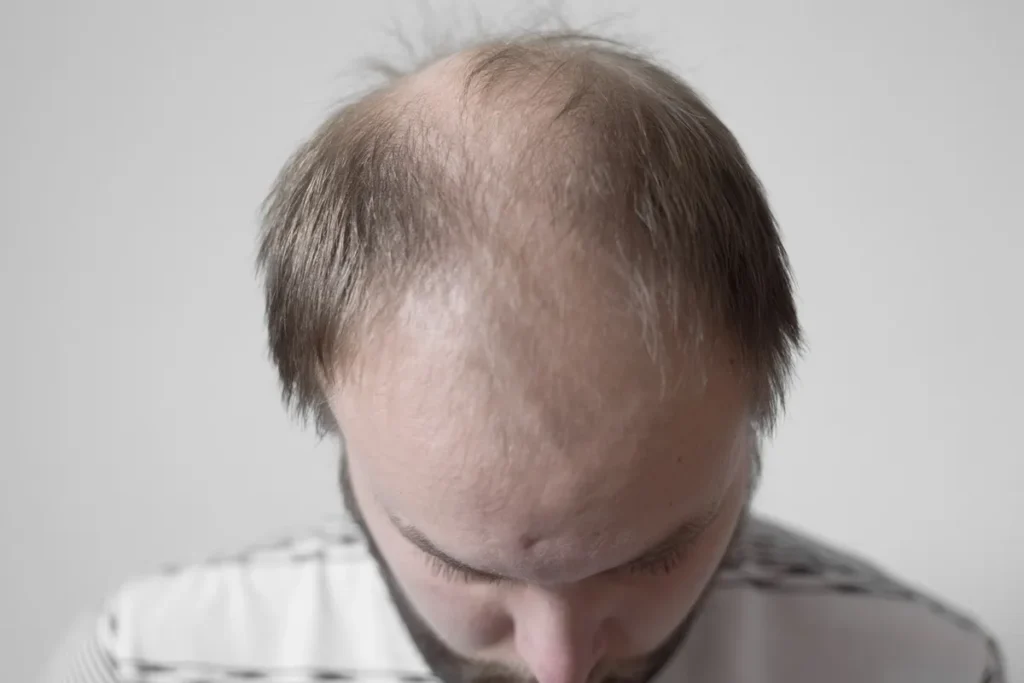
Key Structures in a Hair Follicle Diagram
A comprehensive hair follicle diagram highlights several components that work together to produce a strand. Recognizing each part clarifies why certain treatments target specific areas.
| Structure | Location | Function |
|---|---|---|
| Hair Bulb | Base of follicle | Contains matrix cells that generate the hair shaft |
| Dermal Papilla | Within the bulb | Supplies nutrients and signals that regulate growth |
| Hair Shaft | Emerges from the follicle | Visible portion of hair composed of keratin |
| Sebaceous Gland | Adjacent to follicle | Produces oil that protects hair and skin |
Other terms often seen in diagrams include the hair root, which anchors the follicle in the dermis, and the hair papilla, a cluster of capillaries that fuels growth. When the diagram labels “anagen follicles,” it refers specifically to follicles actively in the growth phase.
- Hair follicle: The tube-like structure housing the bulb and papilla.
- Hair strand: The keratinized shaft extending beyond the skin surface.
- Hair root: The portion below the skin that connects to the follicle.
Factors That Influence the Hair Growth Cycle
While the hair growth cycle diagram presents an idealized timeline, real-world factors can accelerate or delay each stage. Understanding these influences helps patients and clinicians anticipate changes and choose appropriate interventions.
Biological Factors
Age reduces the duration of the anagen phase, leading to shorter, thinner hair as people get older. Hormonal shifts, especially fluctuations in testosterone and dihydrotestosterone (DHT), can shorten anagen and prolong telogen, a common cause of male‑pattern baldness.
Lifestyle and Nutrition
Deficiencies in iron, zinc, vitamin D, and protein directly affect the health of the dermal papilla and matrix cells. Stress triggers the release of cortisol, which can push follicles prematurely into catagen, resulting in noticeable shedding.
Medical Conditions and Medications
Thyroid disorders, autoimmune diseases like alopecia areata, and certain chemotherapy drugs disrupt the normal cycle, often causing a higher proportion of hairs to enter telogen simultaneously.
- Genetics – Determines baseline anagen length.
- Hormones – Influence transition between phases.
- Nutrition – Supplies essential building blocks for keratin.
- Stress – Can induce premature catagen entry.
- Medical treatments – May cause diffuse telogen effluvium.
How Hair Transplant Clinics Use the Cycle Diagram for Planning
Clinics such as Gold City Hair rely on the hair growth cycle diagram to map donor and recipient areas, ensuring grafts are placed where they can enter a healthy anagen phase quickly. By evaluating the proportion of active follicles, surgeons can predict graft survival and growth rates.
Assessment of Donor Site
Using the diagram, technicians assess the density of robust anagen follicles in the occipital region. A higher concentration of active follicles provides a richer source for extraction, minimizing the risk of pulling out telogen hairs that are less likely to thrive after transplantation.
Recipient Site Preparation
Before implantation, the recipient area is examined for signs of inflammation or mini‑aturized follicles stuck in telogen. Adjusting the timing of the procedure to coincide with a natural surge into anagen can improve graft uptake.
- Donor evaluation – Identify areas with abundant anagen follicles.
- Recipient timing – Align surgery with natural growth cycles.
- Graft handling – Preserve the hair bulb and papilla for optimal results.
Why Choose Gold City Hair for Your Hair Restoration Journey
Gold City Hair has been delivering personalized hair restoration solutions in Turkey since 2017. Our team combines the latest FUE and DHI techniques with a deep understanding of the hair growth cycle, ensuring each graft is placed for maximum survival. Transparent communication, individualized treatment plans, and a commitment to natural‑looking results set us apart. Trust a clinic that respects the science behind the hair growth cycle diagram and tailors every procedure to your unique follicular profile.
Ready to transform your hair and confidence? Contact Gold City Hair today for a free, no‑obligation consultation and discover how our expert team can map your personal hair growth cycle for lasting results.
Take the first step toward fuller, healthier hair—schedule your appointment now.
FAQ
What are the three phases of the hair growth cycle?
The hair growth cycle consists of the anagen (growth), catagen (transitional), and telogen (resting) phases.
How long does each phase of the hair growth cycle last?
Anagen lasts 2‑6 years, catagen 2‑3 weeks, and telogen 2‑4 months.
Which factors can affect the hair growth cycle?
Age, hormones, nutrition, stress, medical conditions, and certain medications can all influence the cycle.
How does the hair growth cycle diagram help in hair transplant planning?
It lets surgeons locate donor areas rich in active anagen follicles and schedule graft placement when recipient sites are ready for growth.
What are the key structures shown in a hair follicle diagram?
The diagram highlights the hair bulb, dermal papilla, hair shaft, sebaceous gland, hair root, and surrounding tissues.
Why is the anagen phase important for hair length?
Anagen determines how long a hair can grow before it is shed; longer anagen means longer hair.





