When you ask how long is the hair growth cycle, you’re looking for the timeline that each strand follows from birth to shedding. This cycle determines why some people can grow long locks while others experience frequent thinning. In this article we will break down the phases of the cycle, explain the average growth rates, and show why this knowledge matters for anyone considering hair restoration. Did you know that the active growth phase can last anywhere from two to six years, accounting for up to 90% of a hair’s total lifespan? By the end of the guide you’ll understand the science behind hair length, the factors that speed or slow growth, and practical steps to keep your follicles thriving.
Hair loss can feel overwhelming, but the underlying process is predictable and, in many cases, manageable. Whether you’re dealing with early thinning, planning a transplant, or simply curious about how fast your hair can grow, grasping the cycle’s duration gives you a clear roadmap. We’ll explore each stage—anagen, catagen, and telogen—detail the typical time frames, and discuss how lifestyle, genetics, and medical treatments intersect with these phases.
Armed with this information, you’ll be better equipped to set realistic expectations for hair growth, evaluate treatment options, and adopt habits that support a healthy cycle. Let’s dive into the science that governs every strand on your head.
The Three Phases of the Hair Growth Cycle

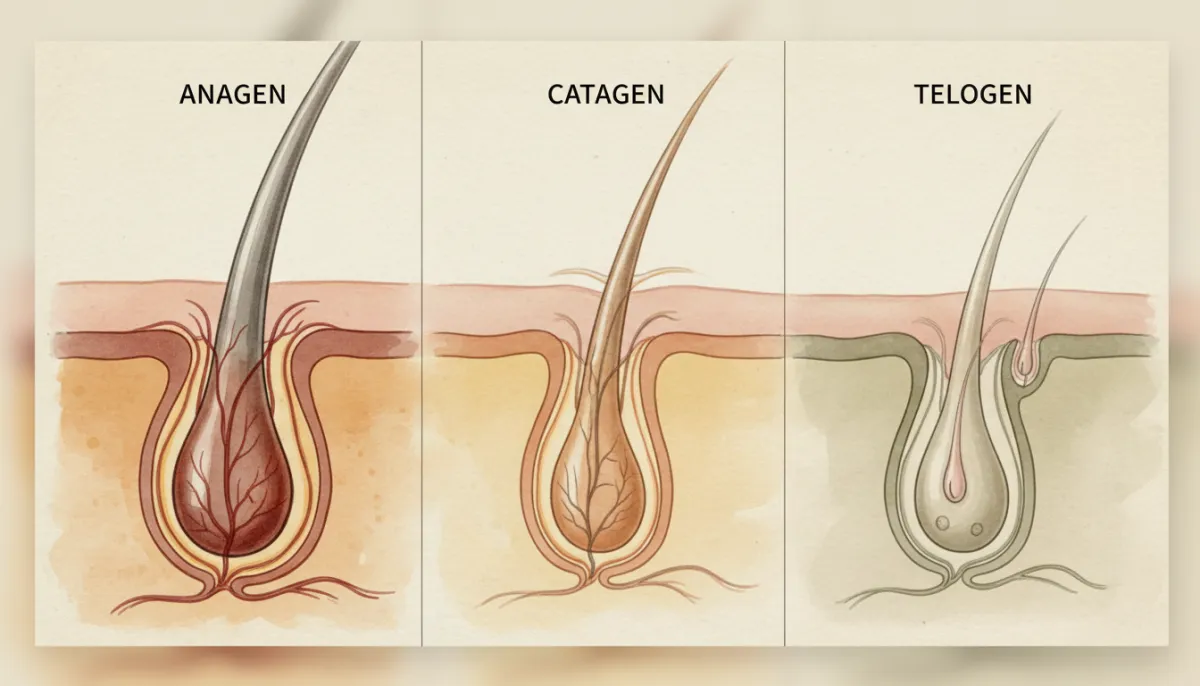
The hair follicle operates like a tiny clock, moving through three distinct stages that together complete the cycle. Understanding each phase clarifies why hair sometimes appears thicker in certain areas and why shedding is a natural part of the process.
Anagen – The Active Growth Phase
Anagen is the period when cells in the hair matrix divide rapidly, pushing the hair shaft upward. This phase can last from 2 to 6 years, depending on genetics, age, and body region. Scalp hair typically enjoys the longest anagen, while eyebrows and body hair have much shorter periods.
Catagen – The Transition Phase
Following anagen, the follicle enters catagen, a brief regression stage lasting about 2–3 weeks. Cell division stops, the lower part of the follicle shrinks, and the hair prepares for rest.
Telogen – The Resting and Shedding Phase
During telogen, the follicle rests for roughly 3 months before the old hair is shed and a new anagen cycle begins. Approximately 10–15% of scalp hairs are in telogen at any given time, which is why losing a few strands daily is normal.
Below is a quick reference table summarizing typical durations for each phase on the scalp:
| Phase | Typical Duration | Key Characteristics |
|---|---|---|
| Anagen | 2–6 years | Active growth, determines maximum hair length |
| Catagen | 2–3 weeks | Follicle regression, prepares for rest |
| Telogen | ≈3 months | Resting, hair shedding, new growth begins |
Average Hair Growth Rate and What Influences It
While the length of each phase dictates the overall cycle, the actual speed at which hair elongates is measured by the average hair growth rate. On average, scalp hair grows about 0.35 mm per day, which translates to roughly half an inch (1.25 cm) per month, or about 6 inches (15 cm) per year.
Several factors can accelerate or decelerate this rate:
- Genetics: Inherited traits set the baseline for both anagen length and daily growth speed.
- Age: Growth slows after the mid‑30s as the proportion of follicles in anagen decreases.
- Hormones: Thyroid imbalance, androgen levels, and pregnancy all impact follicle activity.
- Nutrition: Adequate protein, iron, zinc, and biotin support robust matrix cell division.
- Health Conditions: Chronic illnesses, chemotherapy, and severe stress can push follicles into telogen prematurely.
Here’s a concise list of typical growth metrics:
| Metric | Average Value |
|---|---|
| Daily growth | 0.35 mm |
| Monthly growth | ≈0.5 in (1.25 cm) |
| Yearly growth | ≈6 in (15 cm) |
| Maximum anagen length | 2–6 years |
When you consider the question how long is the hair growth cycle, remember that the speed of growth combined with the length of anagen determines the ultimate length you can achieve without cutting. A longer anagen phase plus a faster growth rate yields longer hair, while a short anagen or slowed rate limits length even if the cycle duration remains the same.
How the Hair Growth Cycle Impacts Hair Transplant Planning
For anyone contemplating a hair transplant, knowing how long is the hair growth cycle is essential for setting realistic expectations and timing post‑procedure care. Techniques such as Follicular Unit Extraction (FUE) and Direct Hair Implantation (DHI) rely on harvesting follicles that are actively in the anagen phase, because these grafts have the highest survival rate.
Harvest Timing and Graft Survival
Surgeons aim to extract follicles when they are in the growth stage, typically confirmed by the presence of a visible hair shaft and a healthy bulb. Harvesting during telogen can lead to lower graft viability, as the follicle is in a dormant state.
Post‑Transplant Growth Timeline
After implantation, transplanted hairs usually enter a brief telogen phase lasting 2–3 weeks, followed by shedding of the transplanted shafts—a normal part of the process called “shock loss.” New growth emerges from the implanted follicles during the next anagen cycle, often noticeable around 3–4 months post‑surgery. Full results may take 12–18 months, reflecting the natural length of the anagen phase for the donor area.
Understanding the cycle helps patients anticipate when they will see visible improvements and plan follow‑up appointments accordingly. It also underscores the importance of maintaining a healthy scalp environment to support the new anagen phase of transplanted hairs.
Common Myths About Hair Length and Growth Duration
Many people hold misconceptions about the limits of hair growth, often conflating the length of the cycle with the speed of growth. Let’s debunk a few prevalent myths.
Myth 1: “Hair can grow indefinitely if you don’t cut it.”
In reality, the maximum length is capped by the anagen phase duration. Once the follicle reaches the end of its growth period, it transitions to catagen and then telogen, regardless of whether the hair is trimmed.
Myth 2: “Everyone’s hair grows at the same rate.”
Growth rates vary widely due to genetics, age, hormonal balance, and nutrition. While the average is about half an inch per month, some individuals may experience faster or slower rates.
Myth 3: “Stress only causes hair loss, not slower growth.”
Stress can push a higher proportion of follicles into telogen, effectively shortening the active growth window and reducing the perceived growth speed.
By separating fact from fiction, you can make informed decisions about hair care, styling, and whether a transplant might be a suitable solution for your goals.
Tips to Support a Healthy Hair Growth Cycle
While the duration of the hair growth cycle is largely predetermined, you can influence the health of each phase with lifestyle choices and proper scalp care.
Nutrition and Supplements
- Consume adequate protein—hair is 65% keratin protein.
- Include iron‑rich foods (spinach, lentils) to prevent anemia‑related shedding.
- Consider biotin or zinc supplements after consulting a physician.
Scalp Hygiene
- Use a gentle, sulfate‑free shampoo to keep follicles unobstructed.
- Massage the scalp for 5 minutes daily to stimulate blood flow.
- Avoid excessive heat styling that can damage the cuticle and disrupt the anagen phase.
Stress Management
Incorporate relaxation techniques such as meditation, yoga, or regular exercise. Reducing cortisol levels helps keep more follicles in the active growth stage.
By integrating these habits, you create an environment that maximizes the potential of each cycle, allowing you to achieve the longest, healthiest hair possible within the natural limits of the growth timeline.
Why Choose Gold City Hair for Your Hair Restoration
Gold City Hair combines cutting‑edge FUE and DHI techniques with a personalized approach that respects each patient’s unique hair growth cycle. Since 2017, our experienced team has helped thousands achieve natural‑looking results, guided by transparent communication and meticulous planning. We assess your anagen length, follicle health, and overall scalp condition to design a treatment that aligns with your growth timeline, ensuring optimal graft survival and long‑term satisfaction.
Ready to transform your hair and confidence? Contact Gold City Hair today for a free, no‑obligation consultation. Let our experts map out a personalized plan that works with your natural hair growth cycle.
FAQ
What are the three phases of the hair growth cycle?
The hair growth cycle consists of anagen (active growth), catagen (transition), and telogen (resting/shedding).
How long does the anagen phase last?
The anagen phase can last anywhere from two to six years, depending on genetics and body area.
What is the average hair growth rate per month?
Hair grows about half an inch (1.25 cm) per month on average.
How does the hair growth cycle affect hair transplant timing?
Transplants are most successful when follicles are harvested during the anagen phase and patients are advised about the post‑transplant telogen shedding period.
Can lifestyle factors speed up hair growth?
Good nutrition, scalp care, and stress management can support optimal growth, but they cannot dramatically shorten the anagen phase.
What are common myths about hair length and growth duration?
Myths include that hair can grow indefinitely without cuts, that everyone’s hair grows at the same rate, and that stress only causes loss, not slower growth.





