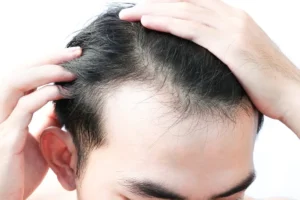
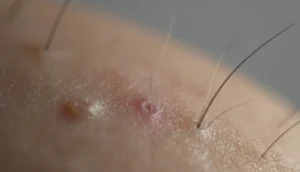
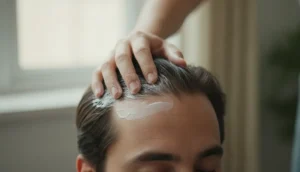
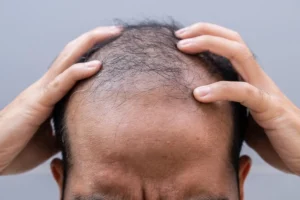
The hair loss breakthrough of recent years is reshaping how men and women approach thinning hair, offering hope where traditional methods fell short. This article explores the scientific foundations, emerging treatment options, and practical considerations for anyone seeking a lasting solution. Did you know that over 40% of men experience noticeable hair loss by age 35, and many turn to experimental therapies hoping for a cure? Understanding why these new approaches matter is the first step toward informed decisions.
We will examine the mechanisms behind the latest advances, compare them with established baldness therapies, and outline what patients can realistically expect during and after treatment. By the end, you’ll have a clear picture of the options available and how to choose a clinic that prioritizes safety, transparency, and personalized care.
Whether you are exploring stem‑cell injections, novel drug combinations, or refined surgical techniques, the landscape of hair restoration is more diverse—and more promising—than ever before.
Understanding the Science Behind Recent Hair Loss Breakthroughs
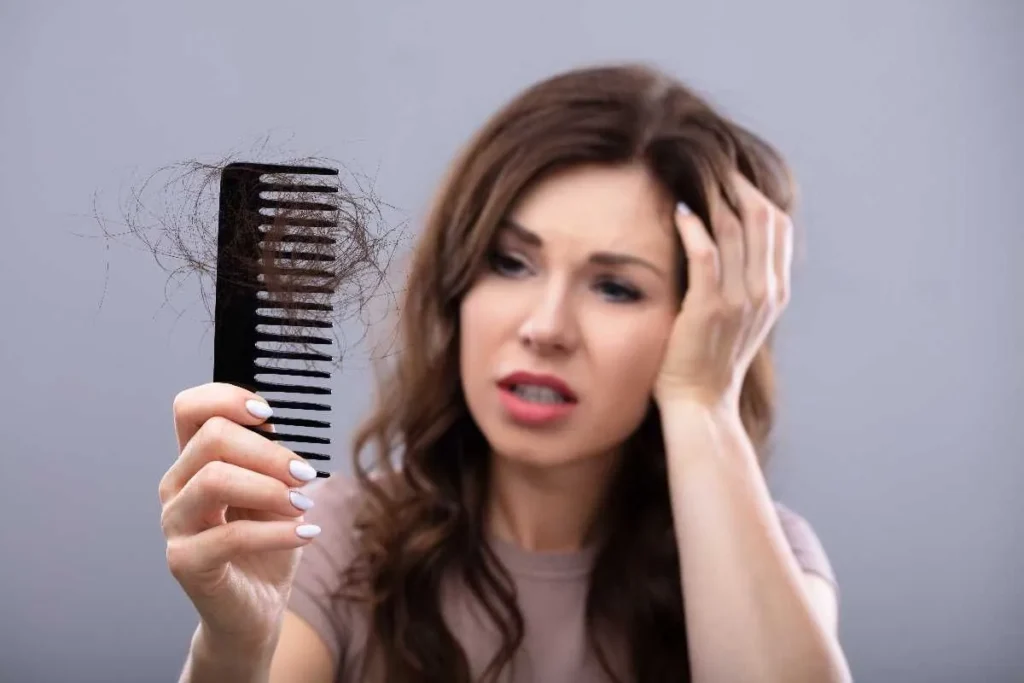
Modern research has shifted from merely slowing hair loss to actively regenerating follicles. Central to this shift is the discovery of signaling pathways—such as Wnt/β‑catenin and the JAK‑STAT cascade—that regulate hair‑cycle dynamics. By modulating these pathways, scientists can stimulate dormant stem cells within the scalp to produce new, robust hair shafts.
Key developments include:
- Targeted stem cell therapy that harvests and re‑injects autologous cells to rejuvenate follicular niches.
- Small‑molecule compounds that activate the Wnt pathway, encouraging hair‑follicle growth without surgery.
- Gene‑editing techniques aimed at correcting genetic predispositions linked to male‑pattern baldness.
These breakthroughs are supported by clinical trials showing measurable increases in hair density within months, a stark contrast to the gradual results of older baldness therapy methods.
Emerging Treatment Options: From Stem Cells to New Medications
Beyond the laboratory, several practical treatments have entered the market, each building on the core scientific insights described above. While traditional treatment for bald solutions like minoxidil and finasteride remain common, newer options promise higher efficacy and fewer side effects.
Among the most promising are:
| Treatment | Mechanism | Typical Results |
|---|---|---|
| Autologous Stem Cell Injection | Re‑populates follicular stem cells | 30‑50% increase in density after 6 months |
| Clascoterone‑Based Topical | Androgen receptor modulation | Reduced shedding, gradual regrowth |
| PP405 Oral Gel | Enhances micro‑circulation | Improved hair thickness within 3 months |
| Platelet‑Rich Plasma (PRP) | Growth‑factor delivery | 10‑20% improvement in coverage |
Each option targets a different stage of the hair‑growth cycle, allowing clinicians to tailor a treatment for balding hair based on individual patterns of loss. For example, patients with early‑stage thinning may benefit most from topical androgen blockers, while those with extensive follicular loss might consider stem‑cell or PRP therapies.
How Breakthroughs Compare to Traditional Baldness Therapies
When evaluating a new baldness cure, it is essential to compare its efficacy, safety profile, and long‑term sustainability against established methods such as FUE (Follicular Unit Extraction) and DHI (Direct Hair Implantation). Traditional surgical techniques excel at immediate density restoration but involve invasive procedures and recovery time.
In contrast, the latest breakthroughs often provide a less invasive pathway with gradual, natural‑looking growth. Below is a side‑by‑side comparison:
- Invasiveness: Surgical transplants require incisions; most new therapies are injectable or topical.
- Recovery: Post‑operative downtime for FUE can be 7‑10 days; stem‑cell or PRP sessions typically allow same‑day return to normal activities.
- Result Longevity: Transplants offer permanent grafts; emerging treatments may need maintenance cycles but can stimulate permanent follicle regeneration.
- Cost: Surgical procedures are often higher upfront; newer therapies vary but can be more affordable when spread over multiple sessions.
Patients often combine approaches—using a surgical transplant for immediate coverage while employing a hair regrowth treatment to enhance overall density and prevent future loss.
What Patients Can Expect: Procedure, Recovery, and Results
Understanding the patient journey helps set realistic expectations. A typical protocol for a cutting‑edge hair loss cure might involve:
- Initial consultation and scalp analysis to identify the pattern of loss.
- Selection of appropriate therapy—whether stem‑cell injection, PRP, or a combination.
- Preparation of the treatment area, often with local anesthesia for comfort.
- Administration of the chosen treatment, which usually lasts under an hour.
- Post‑procedure care instructions, including gentle cleansing and avoidance of direct sun for 48 hours.
Most patients report mild redness or swelling that resolves within 24‑48 hours. Visible regrowth typically begins 2‑3 months after the first session, with optimal results seen after 6‑12 months of consistent follow‑up.
It is also important to note that lifestyle factors—such as nutrition, stress management, and scalp hygiene—play a supporting role in sustaining the benefits of any hair loss cure for men or women.
Choosing the Right Clinic: Expertise, Transparency, and Care
Selecting a reputable provider is as critical as the treatment itself. Clinics that specialize in the latest hair loss breakthrough technologies typically demonstrate:
- Board‑certified surgeons and dermatologists with extensive experience in FUE, DHI, and emerging non‑surgical therapies.
- Transparent communication about expected outcomes, potential risks, and post‑treatment support.
- State‑of‑the‑art facilities that adhere to international hygiene standards.
- Personalized treatment plans that consider each patient’s unique hair‑loss pattern and medical history.
Gold City Hair embodies these principles, offering a comprehensive suite of services from surgical transplants to cutting‑edge regenerative treatments, all delivered with a focus on patient confidence and satisfaction.
Why Choose Gold City Hair
Gold City Hair has been delivering personalized hair restoration solutions in Turkey since 2017. Our expertise spans FUE, DHI, eyebrow and beard transplants, as well as the latest non‑surgical breakthroughs. We prioritize transparent communication, ensuring every patient understands the process, expected results, and after‑care plan. With a commitment to natural‑looking outcomes and patient confidence, Gold City Hair provides a trusted pathway to lasting hair regrowth.
Ready to experience the next generation of hair restoration? Contact Gold City Hair today to schedule your personalized consultation and take the first step toward a fuller, more confident you.
FAQ
What lifestyle factors support the success of breakthrough hair loss treatments?
Nutrition, stress management, adequate sleep, and proper scalp hygiene enhance treatment outcomes.
What are natural regrowth solutions for hair loss?
Natural regrowth solutions include lifestyle changes, scalp care, balanced nutrition, and plant-based remedies that may help support healthier hair growth over time.
Can natural remedies really help with hair regrowth?
Some natural remedies may improve scalp health and strengthen hair follicles, especially when hair loss is linked to stress, poor diet, or mild hormonal changes.
Which vitamins are important for healthy hair growth?
Vitamins such as biotin, vitamin D, iron, zinc, and omega-3 fatty acids are commonly associated with stronger and healthier hair growth.
How does scalp massage help with hair regrowth?
Scalp massage may increase blood circulation to hair follicles, which can help improve nutrient delivery and support healthier hair growth.
Are essential oils effective for hair loss?
Essential oils like rosemary, peppermint, and lavender are often used to promote scalp health and may help reduce thinning in some individuals.
Can stress cause hair loss?
Yes, high stress levels can trigger temporary hair shedding conditions such as telogen effluvium, making stress management important for hair health.
How long does natural hair regrowth usually take?
Natural hair regrowth is gradual and may take several months before noticeable improvements in hair thickness or reduced shedding appear.
What foods support natural hair regrowth?
Protein-rich foods, leafy greens, nuts, seeds, eggs, and fatty fish can provide nutrients that support stronger and healthier hair.