Hair loss categories help clinicians and patients identify the underlying cause of thinning or balding, guiding effective treatment plans. Recognizing which hair loss category you belong to can prevent unnecessary frustration and accelerate the path to regrowth. Over 40% of men and a growing number of women experience some form of hair loss by age 35, making early diagnosis essential. This article breaks down the most common categories, explains their characteristics, and outlines practical steps you can take.
We’ll explore androgenetic patterns, autoimmune forms such as alopecia areata, temporary shedding like telogen effluvium, and lifestyle‑related issues including traction alopecia. By the end, you’ll have a clear roadmap for discussing your condition with a specialist and understanding the options available at Gold City Hair.
Whether you notice a receding hairline, patchy bald spots, or diffuse thinning, identifying the correct category is the first step toward a personalized solution.
Understanding the Main Hair Loss Categories

Hair loss can be grouped into several distinct categories based on cause, pattern, and duration. Below is a concise overview that helps you pinpoint where your experience fits.
- Androgenetic alopecia: Often called male or female pattern baldness; linked to genetics and hormones.
- Alopecia areata: An autoimmune condition that causes sudden, patchy hair loss.
- Telogen effluvium: Temporary shedding triggered by stress, illness, or hormonal changes.
- Traction alopecia: Result of chronic pulling from tight hairstyles or accessories.
- Scarring alopecia: Permanent loss due to inflammation that destroys hair follicles.
Understanding these categories enables a targeted approach, whether you need medication, transplant surgery, or lifestyle adjustments.
Androgenetic Alopecia (Male and Female Pattern Baldness)
Androgenetic alopecia is the most prevalent form of hair loss, affecting up to 70% of men and many women worldwide. It is driven by a combination of genetic predisposition and the hormone dihydrotestosterone (DHT), which shortens the growth phase of hair follicles.
Key Characteristics
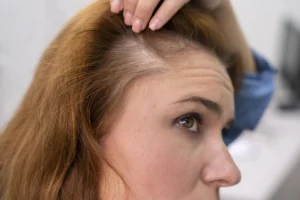
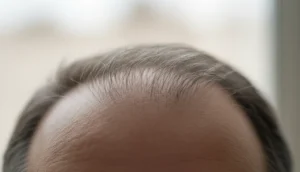
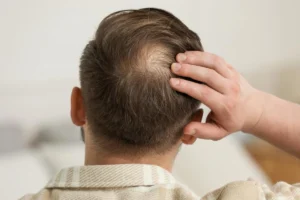
Typical signs include a receding hairline, thinning at the temples, and a widening bald spot on the crown. Women often notice diffuse thinning across the top of the scalp while maintaining the frontal hairline.
Diagnostic Tools
Clinicians use the Norwood scale for men and the Ludwig scale for women to assess severity. A scalp examination, medical history, and sometimes a blood test help rule out other causes.
| Stage (Men) | Typical Appearance |
|---|---|
| Stage I | Minimal recession at temples |
| Stage III | Noticeable bald spot on crown |
| Stage V | Extensive hair loss, only a horseshoe of hair remains |
Effective treatments include FDA‑approved oral finasteride, topical minoxidil, and, for advanced cases, FUE or DHI hair transplant procedures performed at Gold City Hair.
Alopecia Areata and Other Autoimmune Forms
Alopecia areata is an autoimmune disorder where the body mistakenly attacks hair follicles, leading to sudden, well‑defined bald patches. It can affect any hair‑bearing area, including eyebrows and beard.
Symptoms and Progression
Patients often report rapid onset of round or oval bald spots, sometimes accompanied by itching or tingling. In severe cases, the condition progresses to alopecia totalis (loss of all scalp hair) or alopecia universalis (complete body hair loss).
Management Strategies
First‑line therapies involve corticosteroid injections directly into the affected area, topical immunotherapy, or systemic treatments such as JAK inhibitors. While hair transplant is generally not suitable for active autoimmune activity, stable cases may become candidates after the disease is controlled.
- Topical corticosteroids
- Intralesional steroid injections
- Oral immunosuppressants (e.g., methotrexate)
- Emerging JAK‑inhibitor therapies
Gold City Hair’s specialists work closely with dermatologists to ensure the underlying autoimmune process is managed before considering any restorative procedure.
Telogen Effluvium and Temporary Hair Shedding
Telogen effluvium is a non‑scarring, temporary form of hair loss that occurs when a larger-than‑usual number of hairs enter the resting (telogen) phase simultaneously. Common triggers include severe stress, rapid weight loss, hormonal shifts, or certain medications.
Typical Presentation
Patients notice a sudden increase in shedding, often noticing hair in the shower or on their pillow. Unlike pattern baldness, the hair loss is diffuse and does not create distinct bald patches.
Recovery Timeline
Because the follicles remain intact, regrowth usually begins within three to six months once the underlying trigger is resolved.
| Trigger | Typical Onset (Weeks) |
|---|---|
| High fever or illness | 6–12 |
| Major surgery or anesthesia | 8–14 |
| Significant emotional stress | 4–8 |
| Hormonal changes (post‑partum) | 12–16 |
Management focuses on identifying and eliminating the cause, maintaining a balanced diet, and using gentle hair care practices. In some cases, short‑term minoxidil can accelerate the regrowth phase.
Traction Alopecia and Lifestyle‑Related Causes
Traction alopecia results from continuous tension on the hair shaft, commonly seen in individuals who wear tight braids, ponytails, or hair extensions. Over time, the stress damages the follicle, leading to permanent loss if not addressed.
Early Warning Signs
Look for redness, soreness, or small broken hairs along the hairline or temples. If caught early, changing styling habits can halt progression.
Prevention and Treatment
Adopt looser hairstyles, rotate hair accessories, and give the scalp regular breaks from tension. In cases where follicular damage has occurred, micro‑grafting or FUE transplantation can restore density.
- Switch to low‑tension hairstyles
- Use silk or satin pillowcases to reduce friction
- Apply scalp‑nourishing oils or serums
- Consult a hair restoration specialist for early intervention
Gold City Hair provides personalized assessments to determine whether a transplant is appropriate after the traction source is eliminated.
Why Choose Gold City Hair for Your Hair Restoration Journey
Since 2017, Gold City Hair has combined advanced techniques such as FUE and DHI with a patient‑first philosophy. Our team offers transparent communication, customized treatment plans, and state‑of‑the‑art facilities in Turkey. Whether you face androgenetic alopecia, alopecia areata, or any other hair loss category, we provide evidence‑based solutions designed to restore confidence and natural‑looking results.
Ready to take the next step? Contact Gold City Hair today for a personalized consultation and discover the most effective treatment for your hair loss category. Reclaim your confidence with expert care and world‑class results.
FAQ
What are the main categories of hair loss?
The primary hair loss categories are androgenetic alopecia, alopecia areata, telogen effluvium, traction alopecia, and scarring alopecia.
How can I tell if I have androgenetic alopecia?
Look for a receding hairline, thinning at the temples, and a widening bald spot on the crown in men, or diffuse thinning on the top of the scalp in women.
What treatment options are available for alopecia areata?
First‑line treatments include corticosteroid injections, topical immunotherapy, and systemic options such as JAK inhibitors; hair transplant may be considered once the disease is stable.
Is telogen effluvium permanent or can it regrow?
Telogen effluvium is usually temporary; hair regrowth typically begins within three to six months after the underlying trigger is resolved.
How does traction alopecia develop and can it be reversed?
Traction alopecia develops from continuous pulling on the hair shaft by tight hairstyles; early intervention can halt progression and allow regrowth, while advanced cases may need micro‑grafting or transplant.
What makes Gold City Hair a good choice for hair restoration?
Gold City Hair combines advanced FUE and DHI techniques with a patient‑first approach, experienced specialists, and state‑of‑the‑art facilities in Turkey.