When it comes to non‑surgical solutions for thinning hair, hair loss foam has become a popular choice for many seeking a convenient, topical option. This article breaks down the science behind the foam, who can benefit, how to apply it correctly, and what safety considerations you should keep in mind. According to recent dermatology surveys, over 30% of men and women who try a topical treatment start with a foam formulation because of its ease of use and quick absorption.
Understanding the differences between foam, liquid, and oral treatments helps you set realistic expectations and choose the right approach for your hair loss journey. We’ll explore the active ingredients, typical results, and when it might be time to consider a more advanced solution such as a hair transplant.
Whether you’re dealing with early‑stage thinning or more pronounced balding, the information below will guide you through the essential aspects of using hair loss foam effectively.
What Is Hair Loss Foam and How Does It Differ from Other Treatments?
Hair loss foam is a topical formulation that delivers the active ingredient—most commonly minoxidil—in a lightweight, aerated base. Unlike traditional liquid solutions, the foam spreads evenly, dries quickly, and reduces the risk of drip‑off, making it ideal for people with longer hair or those who dislike the oily feel of liquids.
Composition and Active Ingredients
The primary component in most foams is minoxidil, a vasodilator that stimulates hair follicles and prolongs the growth phase of the hair cycle. The foam also contains propellants and stabilizers that create its airy texture while preserving the potency of the medication.
- Minoxidil (2% for women, 5% for men)
- Butylene glycol – helps the active ingredient penetrate the scalp
- Alcohol – aids quick drying
- Propellants – create the foam structure
Because the foam is alcohol‑based, it evaporates faster than liquid, leaving less residue and a less greasy feel.
Foam vs. Liquid vs. Oral Options
| Feature | Foam | Liquid | Oral (Finasteride) |
|---|---|---|---|
| Application Ease | Quick, no‑drip | Requires careful dosing | Once‑daily pill |
| Absorption Speed | Fast drying | Slower, may feel oily | Systemic absorption |
| Typical Users | Both men & women | Both men & women | Primarily men |
| Common Side Effects | Mild scalp irritation | Scalp dryness, itching | Sexual dysfunction (rare) |

Who Can Benefit from Hair Loss Foam?
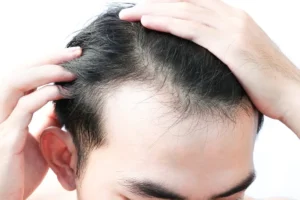
Hair loss foam is suitable for a broad range of individuals experiencing different patterns of thinning. Its versatility stems from the ability to target both male and female pattern baldness, as well as diffuse thinning that may result from hormonal changes or stress.
Men with Androgenic Alopecia
Men typically use the 5% concentration of minoxidil foam, known in the market as a common component of rogain products. This strength is effective for early‑stage recession at the hairline and crown area.
Women with Thinning Hair
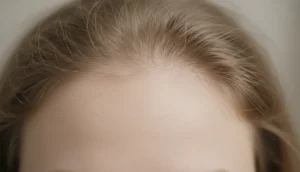
Women generally opt for the 2% formulation, which has been shown to improve hair density without the higher risk of side effects associated with stronger concentrations. It is especially helpful for those experiencing diffuse thinning across the scalp.
- Age: 18‑65 years
- Pattern: Receding hairline, crown thinning, or overall diffuse loss
- Health: No contraindications such as heart disease or severe scalp conditions
While many users see noticeable improvement within three to six months, consistency is key. If you have tried other hair growth products without success, integrating hair loss foam into your routine may provide the missing boost.
How to Use Hair Loss Foam Effectively
Correct application maximizes the benefits of hair loss foam and minimizes potential irritation. Follow these steps to ensure optimal absorption and results.
Step‑by‑Step Guide
- Wash and gently pat your scalp dry. Avoid using heavy conditioners immediately before application.
- Dispense half a capful of foam onto your fingertips. The amount may vary depending on the size of the treatment area.
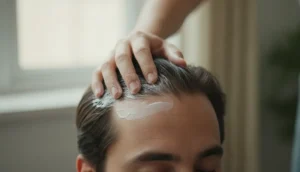
- Apply the foam directly to the thinning zones, using a gentle massage motion to spread it evenly.
- Allow the foam to dry completely (usually 2–5 minutes) before styling or applying other hair products.
- Use the foam twice daily—once in the morning and once at night—for consistent results.
Common Mistakes to Avoid
- Applying too much foam, which can increase scalp irritation.
- Using the foam on a wet scalp, which reduces absorption.
- Skipping nighttime application, which halves the effective dosage.
- Combining with harsh chemical treatments without a waiting period.
Many users ask, “how to use minoxidil foam for hair loss?” The answer lies in consistency, proper dosage, and patience—visible regrowth often begins after 12 weeks of regular use.
Potential Side Effects and Safety Considerations
While hair loss foam is generally well‑tolerated, it is important to be aware of possible side effects and how to manage them. Most reactions are mild and resolve with continued use or minor adjustments.
Common Side Effects
- Scalp itching or dryness
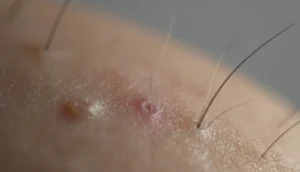
- Redness or mild irritation at the application site
- Temporary shedding of fine hairs (often a sign of new growth)
When to Seek Medical Advice
If you experience persistent redness, swelling, dizziness, or rapid heart rate, discontinue use and consult a healthcare professional. These could indicate an allergic reaction or a rare systemic effect of minoxidil.
| Side Effect | Frequency | Management |
|---|---|---|
| Itching | Common | Use a gentle, fragrance‑free shampoo; apply moisturizer after foam dries |
| Scalp redness | Occasional | Reduce application frequency to once daily for two weeks, then resume twice daily |
| Dizziness | Rare | Stop use immediately and seek medical evaluation |
Overall, the question “is minoxidil safe?” can be answered affirmatively for most users when applied as directed. Always read the product label and follow the recommended dosage.
When to Consider Professional Hair Restoration Options
Hair loss foam can be an effective first‑line solution, but it may not meet the needs of everyone. If you have extensive balding, limited response after six months, or prefer a permanent solution, exploring surgical options such as Follicular Unit Extraction (FUE) or Direct Hair Implantation (DHI) may be advisable.
Signs It’s Time to Move Beyond Foam
- Less than 10% improvement after 6–12 months of consistent use
- Advanced Norwood scale classification (III‑V) in men
- Significant widening of the part in women
- Desire for a one‑time, long‑lasting result
Gold City Hair specializes in these advanced techniques, offering personalized treatment plans that combine medical expertise with state‑of‑the‑art facilities in Turkey. Our team can assess your specific pattern of hair loss and recommend whether a transplant, combined with ongoing topical therapy, will give you the best outcome.
Why Choose Gold City Hair
Gold City Hair has been delivering reliable, aesthetic hair restoration solutions since 2017. Our expert team combines FUE, DHI, and eyebrow/beard transplant expertise with a personalized, transparent approach. We prioritize patient confidence and comfort, offering clear communication at every step of the journey.
Choosing Gold City Hair means accessing internationally recognized techniques in a trusted Turkish clinic, backed by years of experience and a commitment to natural‑looking results.
Ready to take the next step toward fuller, healthier hair? Contact Gold City Hair today to schedule a free consultation and discover the best treatment plan for your needs.
Experience the confidence that comes with a personalized hair restoration journey—book your appointment now.
FAQ
How does hair loss foam work?
Hair loss foam delivers minoxidil to the scalp in an airy, fast‑drying base that stimulates hair follicles and prolongs the growth phase.
Who can benefit from hair loss foam?
Both men and women with androgenic alopecia or diffuse thinning can use hair loss foam, typically ages 18‑65 without contraindicating health issues.
How should I apply hair loss foam correctly?
Apply to a dry scalp twice daily, using half a capful, massage gently, and let it dry for 2‑5 minutes before styling.
What are the common side effects of hair loss foam?
Typical side effects include mild scalp itching, dryness, redness, and temporary shedding of fine hairs.
When should I consider moving beyond foam to a hair transplant?
If there’s less than 10% improvement after 6‑12 months, advanced balding, or a desire for a permanent solution, a transplant may be appropriate.
Is minoxidil safe to use in foam form?
Yes, minoxidil foam is generally safe for most users when applied as directed, with only mild, manageable side effects.