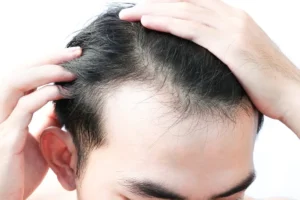
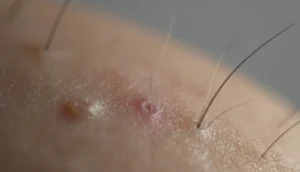
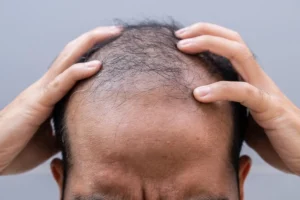
Losing hair a sign of cancer is a common concern that many people wonder about. While most hair loss is harmless and linked to genetics or stress, certain patterns can signal an underlying health issue, including cancer. This article explores the medical reasons why hair loss may be related to cancer, how to differentiate it from typical alopecia, and the steps you should take if you notice alarming changes.
Understanding the connection between hair loss and cancer can empower you to act promptly. Studies show that early detection of scalp‑related cancers can improve treatment outcomes dramatically. Moreover, recognizing side effects from cancer therapies such as chemotherapy and radiation helps you manage expectations and plan for hair regrowth.
We will examine the types of cancer that can cause hair loss, the warning signs that differentiate them from ordinary thinning, and practical advice for coping with hair changes during treatment. By the end of this guide, you’ll have a clearer picture of when hair loss warrants a medical check‑up.
Understanding When Hair Loss May Indicate Cancer
Hair loss can be a symptom of systemic disease, including several forms of cancer. Unlike typical pattern baldness, cancer‑related hair loss often appears suddenly, may involve patches, and can be accompanied by skin changes on the scalp. For instance, a rapidly developing bald spot combined with redness, ulceration, or a persistent sore should raise concern.
Key indicators that hair loss might be linked to cancer include:
- Sudden, extensive thinning without a family history.
- Presence of nodules, bumps, or lesions on the scalp.
- Unexplained weight loss, fatigue, or night sweats accompanying hair loss.
- Hair loss occurring alongside other skin changes such as dark spots or sores.
When these signs appear together, they may point to conditions like scalp melanoma, basal cell carcinoma, or squamous cell carcinoma. Early consultation with a dermatologist or oncologist is essential for accurate diagnosis.

Types of Cancer That Can Cause Hair Loss
Several cancers directly affect the scalp or trigger hair loss as a side effect of treatment. Understanding each type helps you recognize specific warning signs.
Skin Cancer on the Scalp
Skin cancers such as melanoma, basal cell carcinoma, and squamous cell carcinoma can develop on the scalp, often hidden beneath hair. These lesions may present as dark spots, red bumps, or scaly patches. When a tumor invades hair follicles, it can cause localized hair loss.
| Cancer Type | Typical Appearance | Associated Hair Loss |
|---|---|---|
| Melanoma on Scalp | Irregular dark mole, changing color | Patchy loss around the lesion |
| Basal Cell Carcinoma | Shiny, pearly bump | Localized thinning |
| Squamous Cell Carcinoma (SCC) | Red, scaly patch | Hair loss within the affected area |
Chemotherapy‑Induced Hair Loss
Many chemotherapy agents target rapidly dividing cells, which include hair follicles. This results in the well‑known “chemo hair loss.” The severity varies by drug, dosage, and individual susceptibility. While most patients experience regrowth after treatment, the experience can be distressing.
- Common drugs: doxorubicin, cyclophosphamide, paclitaxel.
- Hair loss typically begins 1–3 weeks after the first cycle.
- Hair may regrow within 3–6 months post‑therapy, often with a different texture.
Radiation Therapy Effects
Radiation directed at the head or neck can damage hair follicles in the treated field, leading to permanent or temporary hair loss. The phrase “does radiation cause hair loss” is frequently searched because patients want to know the extent of this side effect.
Key points about radiation‑related hair loss:
- Hair loss is usually confined to the irradiated area.
- It may start during treatment and continue for weeks after.
- In some cases, hair may never fully return, especially after high‑dose exposure.
Distinguishing Cancer‑Related Hair Loss from Common Alopecia
Not all hair loss signals a serious disease. Common forms such as androgenetic alopecia, telogen effluvium, and alopecia areata have distinct patterns. Comparing these with cancer‑related loss helps avoid unnecessary alarm while ensuring critical cases aren’t missed.
Androgenetic alopecia (pattern baldness) typically follows a predictable recession at the temples and crown. Telogen effluvium presents as diffuse shedding often after stress, illness, or medication changes. Alopecia areata causes sudden, round patches of complete hair loss, sometimes with “exclamation mark” hairs.
In contrast, cancer‑related hair loss may be accompanied by:
- Visible skin changes (redness, ulceration, nodules).
- Pain or tenderness in the affected area.
- Rapid progression over days rather than weeks or months.
Below is a quick comparison chart:
| Condition | Pattern of Loss | Associated Skin Signs | Typical Causes |
|---|---|---|---|
| Androgenetic Alopecia | Gradual recession, thinning crown | None | Genetics, hormones |
| Telogen Effluvium | Diffuse shedding | None | Stress, illness, medication |
| Alopecia Areata | Round patches | Exclamation mark hairs | Autoimmune |
| Cancer‑Related | Sudden, localized or widespread | Lesions, bumps, discoloration | Scalp melanoma, basal cell carcinoma, chemo, radiation |
When to Seek Medical Evaluation
If you notice any of the following, it’s time to consult a healthcare professional promptly:
- Sudden bald patches accompanied by a sore, ulcer, or persistent redness.
- Hair loss that occurs alongside unexplained weight loss, fatigue, or night sweats.
- Any scalp lesion that changes size, shape, or color within weeks.
- Persistent hair loss after completing chemotherapy or radiation, especially if the area feels numb or painful.
During the appointment, the clinician may perform a skin biopsy, dermatoscopic examination, or imaging studies to rule out malignancy. Early detection of scalp melanoma or other skin cancers dramatically improves treatment success rates.
Remember that “does chemo cause hair loss” is a frequent concern, but the presence of hair loss alone does not confirm cancer. A thorough evaluation helps differentiate treatment side effects from new oncologic processes.
Managing Hair Loss During Cancer Treatment
For patients undergoing chemotherapy or radiation, proactive steps can lessen the emotional impact of hair loss and support regrowth.
Scalp Cooling (Cold Caps)
Scalp cooling devices reduce blood flow to hair follicles during chemotherapy, decreasing the amount of drug that reaches them. Studies indicate a reduction in hair loss rates for agents like taxanes and anthracyclines.
Gentle Hair Care
- Use sulfate‑free, mild shampoos.
- Avoid heat styling and tight hairstyles.
- Pat dry with a soft towel rather than rubbing.
Nutritional Support
Maintaining a balanced diet rich in protein, iron, zinc, and vitamins (especially biotin and vitamin D) can promote healthier hair follicles. Some patients explore natural supplements, but they should discuss any additions with their oncologist to avoid interactions.
Post‑Treatment Hair Regrowth
Hair often begins to grow back within 3–6 months after completing therapy. The new hair may differ in texture or color, which is normal. Patience and gentle care are key during this phase.
Lastly, emotional support—through counseling, support groups, or talking with loved ones—helps manage the psychological impact of losing hair during a cancer journey.
Why Choose Gold City Hair
At Gold City Hair, we understand that hair loss can affect confidence and quality of life. Since 2017, our clinic in Turkey has delivered personalized hair restoration solutions using advanced FUE, DHI, and eyebrow/beard transplant techniques. Our experienced medical team prioritizes transparent communication, thorough assessment, and tailored treatment plans to help you achieve natural‑looking results.
Whether you are addressing alopecia, seeking to restore hair after cancer treatment, or simply want to enhance your appearance, Gold City Hair offers a supportive environment and cutting‑edge technology to meet your goals.
Ready to take the next step toward confident, healthy hair? Contact Gold City Hair today to schedule a confidential consultation and explore the best options for your unique situation.
Our specialists are here to guide you through every stage, from diagnosis to lasting restoration.
FAQ
Can hair loss be a sign of cancer?
Yes, certain sudden or patchy hair loss patterns can indicate an underlying cancer.
What types of cancer can cause hair loss on the scalp?
Skin cancers like melanoma, basal cell carcinoma, squamous cell carcinoma, and treatment‑related hair loss from chemotherapy or radiation.
How does chemotherapy cause hair loss?
Chemotherapy attacks rapidly dividing cells, including hair‑follicle cells, leading to shedding.
Does radiation therapy lead to permanent hair loss?
It can be temporary or permanent, depending on dose and area treated.
How can I tell if my hair loss is cancer‑related or normal alopecia?
Look for rapid onset, skin changes, pain, or systemic symptoms that are not typical of common alopecia.
What should I do if I notice sudden bald patches with skin changes?
Schedule an appointment with a dermatologist or oncologist for a thorough examination.