When it comes to hair replacement surgery for men, understanding the available solutions is the first step toward regaining confidence and a fuller appearance. Male pattern baldness affects millions worldwide, and modern advances have turned what was once a daunting challenge into a manageable, often permanent, solution. In this article we explore the causes of hair loss, the most effective surgical techniques, what to expect throughout the treatment journey, and why Turkey—particularly Gold City Hair—has become a leading destination for high‑quality, affordable procedures. Whether you are considering a single session or a comprehensive restoration plan, the information below will help you make an informed decision.
Statistics show that over 40% of men begin to notice thinning hair by age 35, and the numbers rise sharply after 50. While topical medications can slow progression, many men ultimately seek a more definitive answer. Hair replacement surgery for men offers permanent grafts that grow naturally, blend seamlessly with existing hair, and require minimal ongoing maintenance.
In the sections that follow, we will break down the science behind hair loss, compare the leading surgical methods such as Follicular Unit Extraction (FUE) and Direct Hair Implantation (DHI), outline the step‑by‑step process from consultation to post‑operative care, and provide practical guidance on selecting a reputable clinic. Let’s begin the journey toward a revitalized look.
Understanding Male Pattern Baldness and When Surgery Is Needed
Male pattern baldness, medically known as androgenetic alopecia, is driven by genetic factors and the hormone dihydrotestosterone (DHT). Over time, hair follicles shrink, producing thinner strands until growth ceases entirely. While lifestyle and nutrition play supporting roles, the primary cause remains hereditary.
Key signs that indicate a candidate may benefit from hair replacement surgery for men include:
- Progressive thinning at the crown or frontal hairline.
- Stable donor area (typically the back of the scalp) with sufficient density.
- Realistic expectations about achievable density and coverage.
- Good overall health and non‑smoker status to promote healing.
When these conditions are met, surgical intervention can restore a natural‑looking hairline and increase overall volume. Non‑surgical options—such as minoxidil, finasteride, or low‑level laser therapy—may be recommended first, but they often provide only temporary or modest improvements. For lasting results, many men turn to hair transplant procedures.
Below is a quick comparison of common treatment pathways:
| Option | Typical Results | Duration | Maintenance |
|---|---|---|---|
| Topical/Oral Medications | Slows loss, modest regrowth | Ongoing | Continued use required |
| Low‑Level Laser Therapy | Improves thickness | Months to see effect | Regular sessions |
| Hair Replacement Surgery for Men | Permanent, natural growth | Single procedure (1‑2 days) | Minimal after grafting |
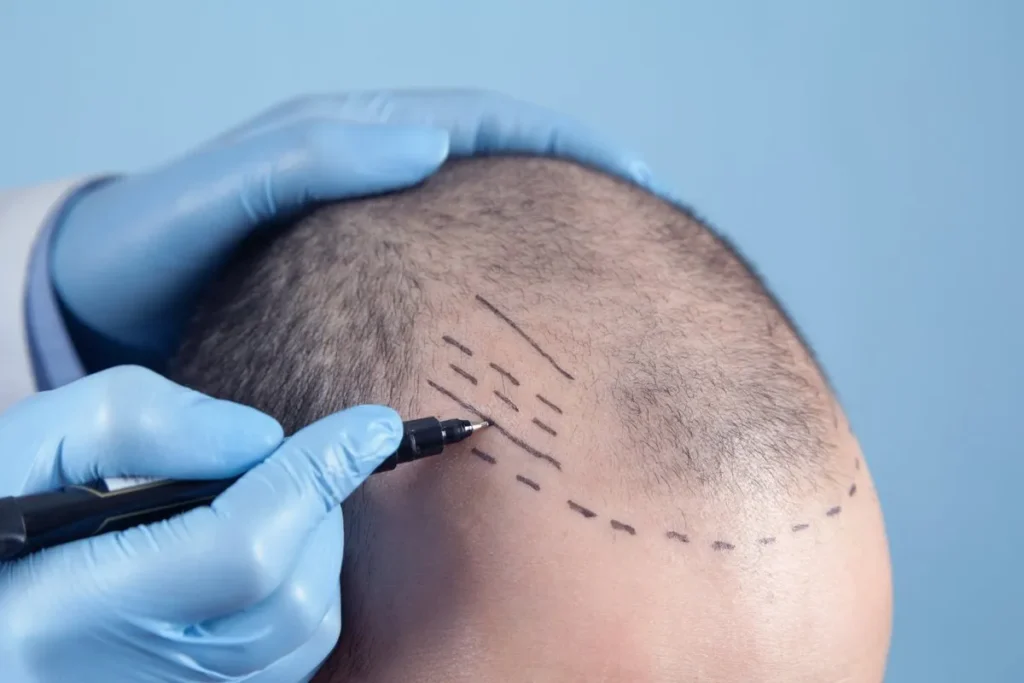
Overview of Modern Hair Replacement Techniques
Today, surgeons employ several refined methods to achieve natural results. The most widely used are Follicular Unit Extraction (FUE) and Direct Hair Implantation (DHI). Both techniques harvest individual follicular units from a donor area and implant them into the thinning zones, but they differ in execution.
Follicular Unit Extraction (FUE)
FUE involves removing grafts one by one using a micro‑punch tool, typically ranging from 0.7 mm to 1.0 mm in diameter. The process leaves tiny, almost invisible scars that heal quickly. Advantages include flexibility in graft placement and suitability for patients who prefer short hairstyles.
Direct Hair Implantation (DHI)
DHI builds on FUE by using a specialized implanter pen that loads grafts directly into the recipient site without creating prior incisions. This can reduce handling time, improve graft survival, and allow for higher precision in angle and depth, resulting in a denser, more natural hairline.
Other emerging options include:
- Robotic‑Assisted FUE: Automated extraction for consistent graft quality.
- Stem‑cell‑enhanced grafts: Research‑based approaches to boost follicle vitality.
- Combined eyebrow and beard transplants: Complementary aesthetic enhancements.
When evaluating hair replacement surgery for men, consider factors such as surgeon experience, clinic technology, and post‑operative support. Below is a concise comparison of the two primary techniques:
| Technique | Graft Extraction | Implantation Method | Typical Recovery Time |
|---|---|---|---|
| FUE | Micro‑punch, individual follicles | Pre‑made incisions, manual placement | 7‑10 days for visible healing |
| DHI | Micro‑punch, individual follicles | Implanter pen, no prior incisions | 5‑7 days for visible healing |
The Procedure Journey: From Consultation to Recovery
Embarking on hair replacement surgery for men involves several distinct phases, each designed to maximize safety and outcomes.
1. Initial Consultation and Planning
During the first visit, the surgeon assesses scalp condition, discusses desired density, and creates a customized graft map. High‑resolution photography and, in many clinics, 3‑D imaging software help visualize the future hairline.
2. Pre‑Operative Preparation
Patients are instructed to avoid smoking, alcohol, and certain medications (e.g., blood thinners) for at least a week before the procedure. A light, balanced diet and adequate hydration are encouraged to promote optimal healing.
3. The Surgical Day
Under local anesthesia, the surgeon extracts grafts using the chosen technique (FUE or DHI). The process typically lasts 6‑10 hours, depending on the number of grafts—ranging from 1,500 for modest coverage to over 3,500 for extensive restoration.
4. Immediate Post‑Op Care
After graft placement, the scalp is gently cleaned, and a protective dressing is applied. Patients receive detailed instructions on washing, medication (often antibiotics and anti‑inflammatories), and activity restrictions.
5. Long‑Term Recovery and Results
Initial shedding of transplanted hairs (known as “shock loss”) may occur within 2‑3 weeks, which is normal. New growth typically begins around the third month, with noticeable density improvement by six months and full maturation around 12‑18 months.
Key tips for a smooth recovery include:
- Sleep with the head elevated for the first few nights.
- Avoid direct sun exposure and heavy sweating for two weeks.
- Follow the prescribed medication schedule.
- Attend scheduled follow‑up appointments for progress monitoring.
Choosing the Right Clinic and What to Expect in Turkey
Turkey has emerged as a global hub for hair restoration, offering state‑of‑the‑art facilities, experienced surgeons, and competitive pricing. When selecting a clinic for hair replacement surgery for men, consider the following criteria:
- Accreditation and Certifications: Verify that the clinic adheres to international medical standards and that surgeons hold relevant board certifications.
- Transparent Pricing: Look for all‑inclusive packages that cover the procedure, medication, accommodation, and post‑op follow‑up.
- Patient Reviews and Before‑After Galleries: Real‑world outcomes provide insight into the clinic’s consistency.
- After‑care Support: Dedicated coordinators who assist with travel logistics and post‑procedure monitoring are invaluable.
Gold City Hair exemplifies these standards, offering personalized treatment plans, modern operating rooms, and a multilingual support team that guides patients from arrival to discharge.
Typical itinerary for an international patient:
| Day | Activity | Details |
|---|---|---|
| 1 | Arrival & Consultation | Medical assessment, hairline design, travel assistance. |
| 2 | Surgery | FUE or DHI procedure performed under local anesthesia. |
| 3‑4 | Recovery & Follow‑up | Post‑op care, dressing removal, discharge instructions. |
| 5‑7 | Optional Rest & Tourism | Explore Istanbul while receiving remote follow‑up. |
Cost Considerations and Value of Quality Care
The price of hair replacement surgery for men varies based on graft count, technique, and clinic reputation. While cost is an important factor, it should be weighed against the quality of results and long‑term satisfaction.
Typical cost ranges in Turkey:
- Basic FUE package (1,500‑2,000 grafts): $1,500‑$2,500.
- Advanced DHI package (2,500‑3,500 grafts): $2,800‑$4,200.
- All‑inclusive premium packages (including accommodation and after‑care): $3,500‑$5,500.
Compared to Western markets, where similar procedures can exceed $10,000, Turkey offers a compelling value proposition without compromising safety. Gold City Hair emphasizes transparent pricing, ensuring patients know exactly what is included—no hidden fees.
When evaluating cost, consider these hidden benefits:
| Benefit | Impact on Value |
|---|---|
| Experienced Surgeons | Higher graft survival rates, natural outcomes. |
| State‑of‑the‑art Facilities | Reduced infection risk, comfortable environment. |
| Comprehensive After‑care | Improved healing, better long‑term satisfaction. |
Investing in a reputable clinic like Gold City Hair ensures that the lower price does not translate into lower standards. The combination of skilled surgeons, modern technology, and personalized support delivers lasting confidence at a fraction of the cost found elsewhere.
Why Choose Gold City Hair
Gold City Hair has been delivering personalized hair restoration solutions since 2017. Our clinic combines the expertise of board‑certified surgeons with cutting‑edge FUE and DHI technologies, ensuring each graft is placed with precision for natural, lasting results. Located in Turkey, we offer all‑inclusive packages that cover the procedure, medication, comfortable accommodation, and dedicated after‑care support. Transparency, patient education, and a commitment to excellence define every step of the journey, helping men achieve renewed confidence through reliable hair replacement surgery.
Ready to start your transformation? Contact Gold City Hair today to schedule a free, no‑obligation consultation and discover how our tailored hair replacement solutions can restore your confidence.
Take the first step toward a fuller, natural‑looking hairline—your new look awaits.
FAQ
What is hair replacement surgery for men and how does it work?
It is a permanent procedure that moves healthy hair follicles from a donor area to balding zones, creating natural‑looking growth.
What are the main differences between FUE and DHI hair transplant methods?
FUE extracts grafts with a micro‑punch and places them into pre‑made incisions, while DHI uses an implanter pen to insert grafts directly without prior cuts.
How long does recovery take after a hair transplant performed in Turkey?
Visible healing occurs within 5‑10 days, with most patients returning to light activities after a week and full results emerging by 12‑18 months.
What should I look for when choosing a hair transplant clinic in Turkey?
Check accreditation, surgeon experience, transparent all‑inclusive pricing, patient reviews, and after‑care support.
How much does a typical hair replacement surgery cost in Turkey?
All‑inclusive packages usually range from $2,000 to $5,000 depending on graft count and technique.





