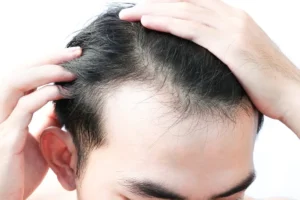
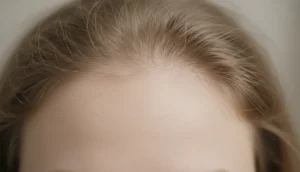
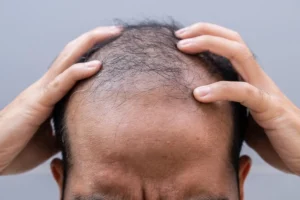
Hair thinning in early 20s is a common concern that can affect confidence and overall well‑being. While many assume hair loss is a problem for older men, studies show that a noticeable percentage of young adults begin to see thinning hair before they turn 30. Understanding the underlying reasons, recognizing the first signs, and exploring both non‑surgical and surgical options are essential steps toward maintaining a healthy scalp.
In this article we will explore the most frequent causes of early‑adult hair loss, explain how to differentiate normal shedding from progressive thinning, and outline practical lifestyle changes that can slow the process. We’ll also discuss when it might be time to consider professional treatments such as follicular unit extraction (FUE) or direct hair implantation (DHI), which are specialties of Gold City Hair.
By the end of the guide you will have a clear roadmap for managing hair thinning in your early 20s, empowering you to take proactive steps before the condition advances.
Common Causes of Hair Thinning in Young Adults
Several factors can trigger hair thinning in the early 20s, often interacting in complex ways. Recognizing these causes helps you target the right interventions.
Genetic predisposition remains the leading driver, especially androgenetic alopecia, which can manifest as a receding hairline or diffuse thinning. Hormonal fluctuations—particularly elevated dihydrotestosterone (DHT)—shrink hair follicles, shortening the growth phase.
Other notable contributors include:
- Stress‑induced telogen effluvium: High stress levels push a large number of hairs into the resting phase, leading to sudden shedding.
- Nutritional deficiencies: Lack of iron, zinc, or biotin can weaken hair shafts.
- Medical conditions: Thyroid disorders, anemia, and autoimmune forms of alopecia (e.g., alopecia areata) accelerate loss.
- Hair‑care habits: Tight hairstyles, excessive heat, and harsh chemicals may cause traction alopecia.
- Environmental factors: Pollution and UV exposure can damage the scalp.
Below is a quick comparison of the most prevalent causes and their typical presentation:
| Cause | Typical Pattern | Age of Onset |
|---|---|---|
| Androgenetic alopecia | Receding hairline, thinning crown | Late teens – early 30s |
| Telogen effluvium | Diffuse shedding across scalp | Any age after a stress event |
| Alopecia areata | Round bald patches | Varies, often childhood‑adolescent |
| Traction alopecia | Hair loss along hairline or temples | Depends on styling habits |

Recognizing Early Signs and When to Seek Professional Help
Identifying the first clues of hair thinning can prevent more extensive loss later. While daily shedding of 50–100 hairs is normal, certain patterns suggest a problem.
Key early signs include:
- Visible widening of the part line.
- Gradual recession of the frontal hairline.
- Increased scalp visibility, especially under bright light.
- Sudden patches of hair loss that do not regrow within a few weeks.
If you notice any of these symptoms persisting for more than three months, it’s advisable to schedule a consultation with a trichology specialist. Early evaluation allows for scalp analysis, hormone testing, and a tailored treatment plan.
During a professional assessment, the clinician may use a digital dermatoscope to evaluate follicle density and determine whether the thinning is due to alopecia, hormonal imbalance, or external factors. This diagnostic clarity is essential before embarking on any therapy.
Below is a checklist to help you decide when to act:
- Hair thinning persists for >3 months.
- Family history of early‑onset baldness.
- Accompanying symptoms such as itching, redness, or scalp pain.
- Rapid shedding after a major life event (e.g., exam stress, illness).
Non‑Surgical Options and Lifestyle Adjustments
Before considering surgery, many individuals benefit from a combination of medical and lifestyle strategies that can halt or even reverse early thinning.
Topical and oral medications such as minoxidil (2% or 5%) and finasteride (for men) have proven efficacy in stimulating follicular activity. These treatments are most effective when started early, before extensive follicle miniaturization occurs.
In addition to medication, the following habits support scalp health:
- Balanced nutrition: Incorporate iron‑rich foods (spinach, lentils), omega‑3 fatty acids (salmon, walnuts), and biotin supplements if deficient.
- Stress management: Regular exercise, meditation, and adequate sleep reduce cortisol‑related hair shedding.
- Gentle hair care: Use sulfate‑free shampoos, avoid tight ponytails, and limit heat styling.
- Scalp stimulation: Low‑level laser therapy (LLLT) or microneedling can increase blood flow to follicles.
Here’s a concise comparison of popular non‑surgical treatments:
| Treatment | Mechanism | Typical Results (6‑12 months) | Side Effects |
|---|---|---|---|
| Minoxidil | Vasodilation, prolongs growth phase | 10‑20% increase in hair density | Scalp irritation, rare dermatitis |
| Finasteride | DHT inhibition | 15‑25% reduction in hair loss | Potential sexual side effects (rare) |
| LLLT | Photobiomodulation stimulates follicles | 5‑15% improvement in thickness | Minimal; mild warmth |
| Microneedling | Creates micro‑injuries, releases growth factors | 5‑10% increase when combined with minoxidil | Transient redness |
When Surgical Restoration Becomes Viable
For many in their early 20s, surgical hair restoration is considered only after non‑surgical methods have plateaued. Modern techniques such as Follicular Unit Extraction (FUE) and Direct Hair Implantation (DHI) offer high graft survival rates and natural‑looking results, making them suitable even for younger patients with limited donor hair.
Key criteria for proceeding with surgery include:
- Stable pattern of hair loss for at least 12 months.
- Sufficient donor density in the occipital region.
- Realistic expectations about coverage and future maintenance.
During a pre‑operative consultation, the surgeon will assess scalp laxity, calculate the number of grafts needed, and discuss the most appropriate technique. FUE involves extracting individual follicular units, while DHI uses a specialized implanter pen for precise placement, reducing handling time and improving angle control.
Post‑procedure care is crucial. Patients typically resume light activities within a week, and full graft maturation occurs over 9‑12 months. Ongoing medical therapy (e.g., minoxidil) can help preserve existing hair and enhance the transplanted area.
Understanding Treatment Options: FUE, DHI, and Emerging Techniques
Beyond the classic FUE and DHI methods, the field of hair restoration continues to evolve. Emerging technologies aim to increase graft yield, reduce invasiveness, and improve aesthetic outcomes.
Robotic‑assisted FUE employs AI‑guided arms to harvest follicles with sub‑millimeter precision, minimizing transection rates. This technology is especially beneficial for patients with tight scalp skin, a common scenario in younger individuals.
Another innovative approach is Stem‑cell‑enhanced grafts. By enriching harvested follicles with autologous platelet‑rich plasma (PRP) or cultured stem cells, clinicians aim to boost graft survival and accelerate growth.
Below is a side‑by‑side overview of the three main surgical options:
| Technique | Procedure Time | Graft Survival Rate | Typical Candidate |
|---|---|---|---|
| FUE | 6‑10 hrs (depends on graft count) | 90‑95% | Patients with moderate donor density |
| DHI | 5‑9 hrs (faster placement) | 92‑97% | Those seeking precise angle control |
| Robotic‑Assisted FUE | 5‑8 hrs (high efficiency) | 95‑98% | Younger patients with tight scalp |
Choosing the right technique depends on your individual scalp characteristics, desired density, and budget. A thorough evaluation with a qualified surgeon will clarify which option aligns best with your goals.
Why Choose Gold City Hair
Gold City Hair has been a trusted hair transplant center in Turkey since 2017, offering personalized aesthetic solutions for individuals experiencing hair thinning in early 20s. Our team combines extensive experience in FUE, DHI, and eyebrow/beard transplants with transparent communication, ensuring each patient receives a treatment plan tailored to their unique scalp condition and aesthetic goals. With state‑of‑the‑art facilities and a commitment to natural‑looking results, we help you regain confidence and a fuller hairline.
Ready to take control of your hair future? Contact Gold City Hair today for a confidential, no‑obligation consultation and discover the best path to restore your confidence.
FAQ
What are the main causes of hair thinning in the early 20s?
Genetics, hormonal changes, stress, nutritional gaps, medical conditions, and harsh hair‑care habits are the primary drivers.
How can I tell if my shedding is normal or a sign of early hair loss?
Normal shedding is 50‑100 hairs daily; widening part lines, receding hairlines, or noticeable scalp exposure indicate early loss.
What non‑surgical treatments work best for young adults with thinning hair?
Topical minoxidil, oral finasteride (for men), balanced nutrition, stress management, LLLT, and microneedling are effective options.
When should I consider surgical hair restoration in my 20s?
Consider surgery after non‑surgical methods plateau, with a stable loss pattern for at least 12 months and sufficient donor density.
What is the difference between FUE and DHI hair transplant techniques?
FUE extracts individual follicles; DHI uses an implanter pen for faster, more precise placement.
Are there emerging technologies that improve hair transplant outcomes?
Yes, robotic‑assisted FUE and stem‑cell‑enhanced grafts (PRP or cultured cells) are advancing the field.