Understanding the hair thinning reasons behind a less‑dense scalp is the first step toward an effective solution. Whether you notice a subtle shedding pattern or a more pronounced recession, identifying the cause helps you choose the right treatment and avoid unnecessary frustration.
Hair loss affects millions worldwide, and the factors that trigger thinning are surprisingly varied. From hormonal shifts and genetic predisposition to everyday habits such as stress or harsh styling, each element can play a role in the overall picture.
In this article we will explore the most common medical, hormonal, lifestyle, and genetic contributors, explain how they differ between men and women, and outline when professional assessment is essential. By the end, you’ll have a clear roadmap for addressing your specific situation and restoring confidence in your appearance.
Common Medical Causes of Hair Thinning
Medical conditions often sit at the core of many hair thinning reasons. Recognizing these underlying issues is crucial because treating the root cause can halt or even reverse loss.
Alopecia Variants
Alopecia refers to a broad group of disorders that cause hair loss. The most frequent forms include:
- Alopecia areata – an autoimmune condition leading to round, smooth patches of baldness.
- Telogen effluvium – a temporary shedding phase triggered by illness, surgery, or severe stress.
- Scarring (cicatricial) alopecia – where inflammation destroys hair follicles permanently.
Thyroid Imbalance
Both hypothyroidism and hyperthyroidism disrupt the hair growth cycle, often resulting in diffuse thinning across the scalp. Routine blood tests can pinpoint abnormal hormone levels.
Nutritional Deficiencies
Insufficient iron, zinc, biotin, or protein can weaken hair shafts and accelerate shedding. A balanced diet rich in these nutrients supports healthy follicle function.
| Nutrient | Primary Source | Impact on Hair |
|---|---|---|
| Iron | Red meat, lentils, spinach | Prevents anemia‑related shedding |
| Zinc | Oysters, pumpkin seeds | Supports follicle repair |
| Biotin | Egg yolks, nuts | Strengthens hair shaft |
| Protein | Chicken, beans, dairy | Provides building blocks for keratin |
These medical hair thinning reasons account for a significant portion of cases, especially when loss appears suddenly or is accompanied by other health symptoms.
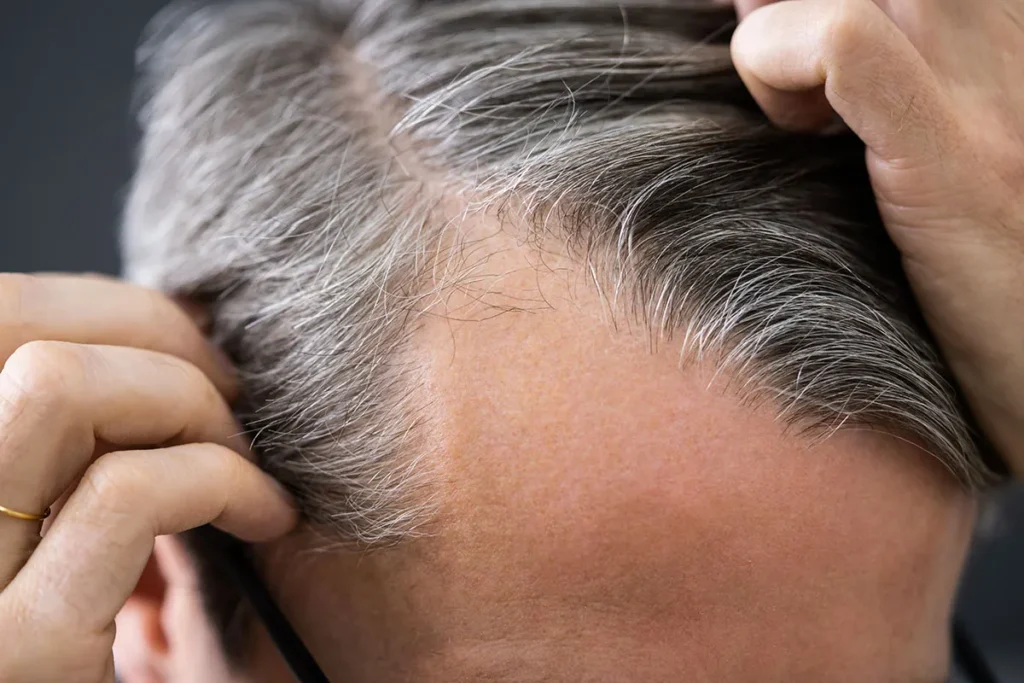
Hormonal Factors and Their Impact
Hormones play a pivotal role in regulating the hair growth cycle, making them a frequent contributor to hair thinning reasons. Fluctuations can affect both men and women, though the patterns often differ.
Androgenic Alopecia
Also known as male pattern baldness or female pattern baldness, this condition is driven by dihydrotestosterone (DHT). DHT miniaturizes hair follicles, leading to thinner strands and eventual loss.
Pregnancy and Post‑Partum Changes
During pregnancy, elevated estrogen levels prolong the growth phase, giving the illusion of fuller hair. After delivery, estrogen drops sharply, causing a surge of telogen hairs and noticeable thinning.
Menopause and Hormone Replacement
Reduced estrogen and progesterone during menopause can accelerate hair loss, especially on the crown. Some women find that carefully managed hormone replacement therapy helps stabilize the follicles.
- Key hormone: DHT – primary driver of androgenic alopecia.
- Common sign: Receding hairline in men; widening part in women.
- Treatment hint: FDA‑approved hair loss treatments target DHT production.
Understanding these hormonal hair thinning reasons enables targeted therapy, such as DHT blockers, topical minoxidil, or personalized hormone management.
Lifestyle and Environmental Triggers
Everyday choices and surroundings can subtly but significantly contribute to hair thinning reasons. While they may not cause permanent loss alone, they often exacerbate underlying conditions.
Stress and Sleep Deprivation
Chronic stress elevates cortisol, pushing more hairs into the telogen phase. Lack of restorative sleep further impairs cellular repair, leading to increased shedding.
Hair Care Practices
Frequent use of harsh chemicals, heat styling, and tight hairstyles (like ponytails or braids) can cause traction alopecia. Over‑processing weakens the shaft, making it prone to breakage.
Environmental Factors
Exposure to pollution, UV radiation, and chlorine can damage the scalp’s protective barrier, reducing follicle health. Wearing hats or using protective sprays can mitigate these effects.
- Stress management: Meditation, regular exercise, balanced workload.
- Gentle styling: Use sulfate‑free shampoos, limit heat tools to 2‑3 times weekly.
- Protection: UV‑blocking hair products, rinsing after swimming.
Addressing these lifestyle hair thinning reasons often yields noticeable improvement within a few months, especially when combined with proper nutrition and medical guidance.
Genetic and Pattern‑Related Thinning
Genetics remain one of the most prevalent hair thinning reasons. Family history can predispose individuals to specific patterns of loss, which often become evident in early adulthood.
Androgenetic Alopecia
Inherited sensitivity of hair follicles to DHT leads to predictable patterns: a receding hairline and vertex thinning in men; diffuse thinning over the crown in women.
Family History Mapping
Creating a simple pedigree chart helps clinicians assess risk. If multiple close relatives experienced early baldness, proactive monitoring and early intervention are advisable.
| Gender | Typical Pattern | Common Onset Age |
|---|---|---|
| Male | Receding hairline, vertex balding | 20‑35 years |
| Female | Diffuse thinning on crown | 30‑45 years |
Other Genetic Conditions
Rare inherited disorders such as hypotrichosis and certain forms of ectodermal dysplasia can cause congenital thinning. Genetic testing may be recommended for atypical presentations.
When genetics are the dominant hair thinning reason, treatments like FUE (Follicular Unit Extraction) or DHI (Direct Hair Implantation) offered by Gold City Hair can provide lasting, natural‑looking restoration.
When to Seek Professional Evaluation
Identifying the exact hair thinning reasons often requires a qualified specialist. Early consultation can prevent irreversible loss and guide personalized treatment plans.
Red‑Flag Symptoms
Schedule an appointment if you notice any of the following:
- Sudden, patchy bald spots.
- Accompanying scalp itching, redness, or pain.
- Hair loss accompanied by weight changes, fatigue, or hormonal symptoms.
Diagnostic Tools
Clinicians may use trichoscopy, blood panels, and scalp biopsies to pinpoint the cause. These assessments differentiate between telogen effluvium, alopecia areata, and pattern baldness.
Treatment Pathways
Based on the diagnosis, options include:
- Medical therapy: Minoxidil, finasteride, or anti‑inflammatory agents.
- Procedural interventions: PRP (Platelet‑Rich Plasma) therapy, laser scalp stimulation.
- Surgical restoration: FUE or DHI hair transplantation performed by experienced surgeons.
Choosing a reputable center ensures you receive evidence‑based care, minimizing risks and maximizing results.
Why Choose Gold City Hair
Gold City Hair has been delivering personalized hair restoration solutions in Turkey since 2017. Our clinic combines the latest FUE and DHI techniques with a transparent, patient‑focused approach. Every treatment plan is tailored to the individual’s unique hair thinning reasons, ensuring natural results and lasting confidence. With a dedicated team of experienced surgeons and a commitment to ethical care, we provide a trusted path to reclaiming your hair.
Ready to uncover the specific reasons behind your hair thinning and explore a customized solution? Contact Gold City Hair today to schedule a confidential consultation and take the first step toward a fuller, healthier scalp.
FAQ
What are the most common medical causes of hair thinning?
Common medical causes include alopecia variants, thyroid imbalance, and nutritional deficiencies.
How do hormonal changes affect hair thinning?
Hormonal fluctuations, especially DHT, estrogen, and progesterone shifts, can trigger pattern baldness and postpartum shedding.
Can lifestyle habits contribute to hair thinning?
Yes, stress, poor sleep, harsh hair care, and environmental pollutants can exacerbate hair thinning.
What is the role of genetics in hair thinning?
Genetics determine susceptibility to androgenetic alopecia, leading to predictable pattern loss in men and women.
When should someone seek professional evaluation for hair thinning?
Seek a specialist if you notice sudden patchy loss, scalp irritation, or associated systemic symptoms.
What makes Gold City Hair a reputable choice for hair restoration?
Gold City Hair offers personalized FUE and DHI procedures with experienced surgeons and transparent patient‑focused care.





