Hair thinning on sides is a common concern that many men and women notice as they age or experience hormonal shifts. While the crown and front of the scalp often draw the most attention, side hair loss can be equally distressing, especially when it creates an uneven silhouette. This article explores the underlying causes, diagnostic methods, and both medical and surgical solutions available today. By the end, you’ll have a clear roadmap for addressing side hair thinning and restoring a balanced, natural look.
According to recent dermatology surveys, up to 35% of adults report noticing thinning hair along the temples or occipital region before the hairline recedes. Understanding the factors that trigger this pattern can help you intervene early, before the loss becomes more pronounced. Below, we break down the science, the signs to watch for, and the range of treatments—from topical therapies to advanced hair transplantation techniques offered by Gold City Hair.
Whether you’re dealing with early-stage androgenetic alopecia or a temporary telogen effluvium, the strategies outlined here are designed to empower you with knowledge and actionable steps. Let’s begin by examining why side hair thinning happens in the first place.
Causes of Side Hair Thinning
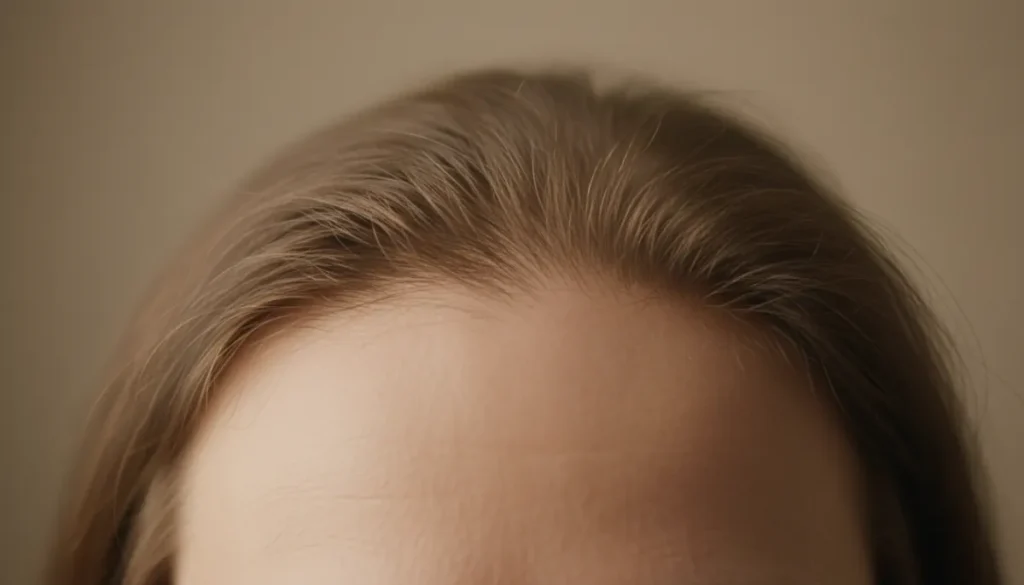
Hormonal factors play a pivotal role in side hair thinning, especially the influence of dihydrotestosterone (DHT). In individuals predisposed to androgenetic alopecia, DHT binds to hair follicles on the temples, shortening the growth phase and causing miniaturization. This process often begins at the sides before spreading to the crown.
Genetic patterns also dictate where hair loss appears. Family history of male or female pattern baldness frequently correlates with thinning at the temples and occipital area. Studies show that people with a first-degree relative who experienced early side hair loss are more likely to develop a similar pattern themselves.
Lifestyle influences, such as chronic stress, poor nutrition, and certain hairstyles that exert tension on the scalp, can exacerbate side thinning. Conditions like traction alopecia arise from tight braids or hats that pull on the hair shafts, leading to follicular damage specifically along the sides.
Other medical conditions, including thyroid disorders, anemia, and autoimmune diseases like alopecia areata, may manifest as patchy thinning on the sides. Identifying the root cause is essential for selecting the most effective treatment.
- Elevated DHT levels – common in androgenetic alopecia.
- Genetic predisposition – family history of side hair loss.
- Mechanical stress – tight hairstyles, frequent pulling.
- Nutritional deficiencies – lack of iron, zinc, or biotin.
- Systemic health issues – thyroid imbalance, autoimmune disorders.
How to Diagnose and Assess Side Hair Thinning
Accurate diagnosis begins with a thorough clinical evaluation. Dermatologists typically perform a visual inspection, noting the density, pattern, and extent of the thinning. A pull test helps determine whether hairs are in the telogen phase, which can indicate temporary shedding versus permanent follicular loss.
Trichoscopy, a non‑invasive scalp imaging technique, provides magnified views of hair follicles, allowing clinicians to differentiate between androgenic alopecia and other forms of alopecia. Key visual cues include the presence of vellus hairs, perifollicular discoloration, and miniaturized follicles.
When the cause remains unclear, blood tests may be ordered to assess hormonal levels, iron stores, and thyroid function. These labs can uncover hidden deficiencies that contribute to side hair thinning.
| Diagnostic Tool | What It Reveals | Typical Use |
|---|---|---|
| Visual Inspection | Pattern and severity of thinning | First‑line assessment |
| Pull Test | Number of hairs shedding | Distinguish telogen vs. anagen loss |
| Trichoscopy | Follicle size, hair shaft quality | Identify androgenetic vs. alopecia areata |
| Blood Panel | Hormone, iron, vitamin levels | Detect systemic contributors |
By combining these methods, clinicians can create a tailored treatment plan that addresses the specific etiology of side hair thinning, rather than applying a one‑size‑fits‑all solution.
Treatment Options: Medical and Surgical Solutions
When it comes to managing hair thinning on sides, a spectrum of interventions exists—from topical agents to surgical transplantation. The choice depends on the underlying cause, the extent of loss, and patient preferences.
Medical Therapies
Minoxidil (2% or 5%) remains a first‑line topical treatment that stimulates follicular activity by enhancing blood flow to the scalp. Consistent use can thicken existing hairs and slow further loss, especially when applied to the side regions.
Oral finasteride inhibits the conversion of testosterone to DHT, directly targeting the hormonal driver of side thinning in men. Women with androgenic patterns may consider low‑dose spironolactone under medical supervision.
Supplements such as biotin, zinc, and iron support overall hair health, addressing nutritional gaps that may accelerate thinning. For patients with autoimmune alopecia, corticosteroid injections can reduce inflammation and promote regrowth.
Surgical Interventions
Hair transplantation offers a permanent solution for those with stable side hair thinning. Techniques like Follicular Unit Extraction (FUE) and Direct Hair Implantation (DHI) allow surgeons to harvest donor follicles—often from the dense occipital area—and implant them precisely where thinning occurs. The result is a natural‑looking density that blends seamlessly with existing hair.
For individuals with limited donor hair, eyebrow or beard transplants can provide supplemental coverage, especially when side thinning creates a stark contrast. The minimally invasive nature of modern FUE and DHI ensures quick recovery and minimal scarring.
- Topical minoxidil – daily application, promotes vascular flow.
- Finasteride – oral, reduces DHT production.
- Supplements – biotin, zinc, iron for nutritional support.
- Corticosteroid injections – for inflammatory alopecia.
- FUE/DHI transplantation – permanent, natural‑looking results.
Preventive Care and Lifestyle Adjustments
Prevention is always preferable to treatment. Simple habits can significantly reduce the risk of side hair thinning progressing to more extensive loss.
Scalp Hygiene
Gentle cleansing with a sulfate‑free shampoo keeps the scalp free of excess oil and debris that can clog follicles. Avoiding harsh chemical treatments or excessive heat styling protects the delicate hair shafts along the sides.
Nutrition and Supplements
A balanced diet rich in protein, omega‑3 fatty acids, and antioxidants supports hair follicle vitality. Incorporating foods such as salmon, nuts, leafy greens, and eggs supplies essential nutrients for robust hair growth.
Stress Management
Chronic stress elevates cortisol levels, which can push hair follicles into the telogen phase. Practices like regular exercise, meditation, and adequate sleep help maintain hormonal balance and reduce telogen effluvium that may manifest as side thinning.
Gentle Styling Practices
Choosing loose hairstyles and avoiding tight headbands reduces mechanical tension on the temples. If you frequently wear hats, select breathable fabrics and ensure they are not overly tight.
- Use mild, sulfate‑free shampoos.
- Eat a protein‑rich, omega‑3 inclusive diet.
- Practice stress‑relief techniques daily.
- Avoid tight hairstyles that pull on side follicles.
When to Consider a Hair Transplant for Side Thinning
Deciding to pursue a transplant is a personal choice that should be based on stability of the hair loss, donor hair availability, and realistic expectations. Patients with well‑defined thinning on the sides and a stable pattern for at least 12 months are ideal candidates for procedures such as FUE or DHI.
During a consultation, surgeons assess donor density, scalp laxity, and overall health to determine the feasibility of restoring side volume. Modern transplantation methods allow for natural hairline design, ensuring that the newly implanted follicles blend with existing hair and maintain the appearance of a gradual, age‑appropriate hairline.
Post‑procedure care includes gentle washing, avoiding direct sun exposure for a few weeks, and following a prescribed regimen of topical agents to support graft survival. Most patients notice visible improvement within three to six months, with full maturation by the twelve‑month mark.
Choosing a reputable clinic like Gold City Hair, which emphasizes personalized treatment plans and transparent communication, can make the journey from diagnosis to restored confidence smoother and more predictable.
Why Choose Gold City Hair
Gold City Hair has been delivering expert hair restoration solutions in Turkey since 2017. Our team combines advanced FUE and DHI techniques with a personalized approach, ensuring each patient receives a treatment plan tailored to their unique pattern of side hair thinning. We prioritize transparent communication, modern facilities, and a commitment to natural‑looking results that boost confidence and self‑esteem.
Ready to reclaim a fuller, balanced look? Contact Gold City Hair today to schedule a confidential consultation and discover the most effective solutions for your side hair thinning.
Take the first step toward lasting confidence—our specialists are here to guide you through every stage of the journey.
FAQ
What are the main causes of hair thinning on the sides?
Side thinning is mainly driven by hormonal factors (DHT), genetics, mechanical stress, nutritional deficiencies, and certain medical conditions.
How do doctors diagnose side hair thinning?
Diagnosis combines visual inspection, pull test, trichoscopy, and sometimes blood work to pinpoint the cause.
What medical treatments are effective for side hair thinning?
Topical minoxidil, oral finasteride, supplements, and corticosteroid injections are common medical options.
When is a hair transplant recommended for side thinning?
Transplantation is advised when the thinning pattern is stable for at least 12 months and donor hair is sufficient.
What lifestyle changes can help prevent side hair thinning?
Maintain scalp hygiene, eat a balanced diet, manage stress, and avoid tight hairstyles.





