The journey of a hair transplant does not end when you leave the clinic; it continues for months as your scalp heals and new follicles take root. At the three‑month mark, many patients wonder how much progress they should see and whether any concerns are normal. Understanding the hair transplant 3 months timeline helps you set realistic expectations, stay confident, and follow the right after‑care routine. In this article we break down the recovery stages, explain why shedding may occur, highlight the visible signs of growth, and share practical tips to keep your scalp healthy. Whether you chose FUE, DHI, or another advanced technique, the principles remain the same: patience, proper care, and clear communication with your surgeon.
According to clinical observations, most patients notice the first signs of new hair emergence between weeks 10 and 12. By month three, the transplanted follicles have typically entered the anagen (growth) phase, and early results become visible. This period also marks a transition from the initial healing phase to longer‑term maintenance, making it an ideal time to assess progress and adjust your post‑procedure regimen.
Read on to learn the detailed milestones you can expect during the hair transplant 3 months phase, how to interpret shedding, and what steps will give you the best chance of lasting, natural‑looking density.
The First Three Months – Recovery Timeline
The first twelve weeks after a hair transplant are crucial for graft survival and overall success. Below is a week‑by‑week overview of what typically happens during the hair transplant recovery timeline:
- Week 1: Scalp may appear red and slightly swollen; tiny crusts form around each graft. Gentle washing with a prescribed shampoo is recommended.
- Weeks 2‑3: Crusts fall off, and the transplanted area may feel itchy. Most patients can resume light activities.
- Weeks 4‑6: The “shock loss” phase often begins, where both transplanted and existing hairs shed. This is a normal part of the healing process.
- Weeks 7‑9: Shedding slows, and the follicles start to re‑enter the growth cycle. Some patients notice fine, soft hairs emerging.
- Weeks 10‑12: Early visible growth appears as tiny, pigmented hairs. The scalp’s redness diminishes, and the grafts become more stable.
| Week | Typical Observation | Recommended Action |
|---|---|---|
| 1 | Redness, crust formation | Gentle washing, avoid scratching |
| 2‑3 | Itching, crusts falling off | Apply soothing scalp lotion as advised |
| 4‑6 | Shock loss (shedding) | Maintain nutrition, stay hydrated |
| 7‑9 | Reduced shedding, early regrowth | Continue gentle shampooing |
| 10‑12 | Visible fine hairs | Protect scalp from UV, avoid harsh chemicals |
Understanding Hair Shedding and New Growth
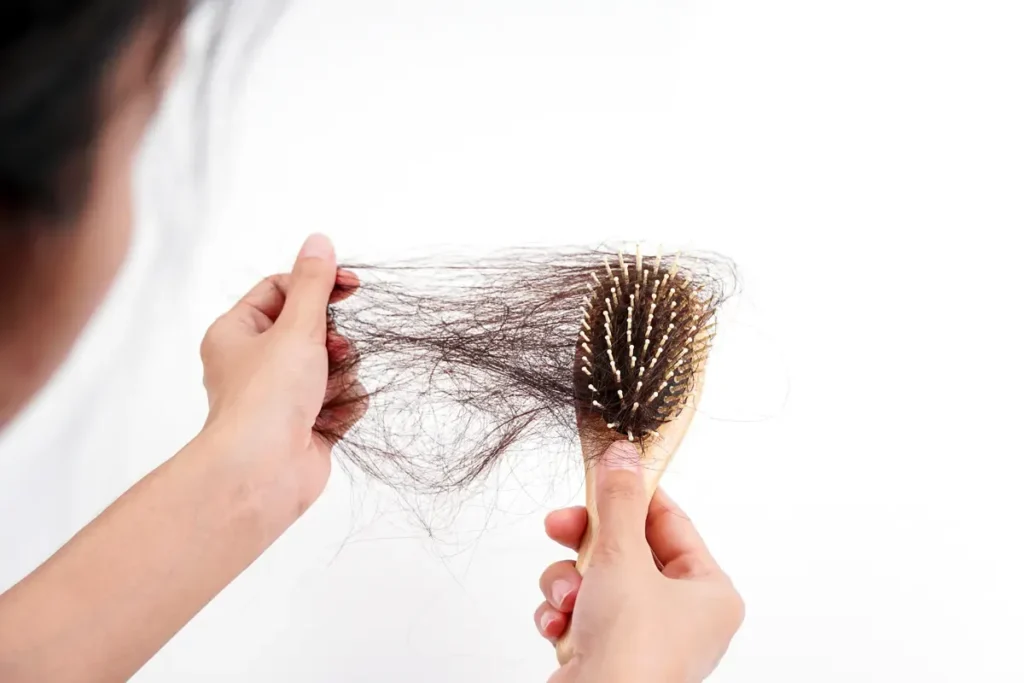
One of the most common concerns at the three‑month point is whether the transplanted hairs are actually growing or if they are being lost. The phenomenon known as “shock loss” usually occurs between weeks four and six, and it can involve both the newly placed grafts and the surrounding native hairs. This temporary shedding is a sign that the follicles are resetting their growth cycle.
After the shedding phase, the follicles enter the anagen phase, and you will start to see fine, often lighter‑colored hairs. These early strands are sometimes called “pearl hairs” because of their delicate appearance. By month three, many patients report seeing a noticeable increase in density, especially in the frontal and crown areas where grafts were most concentrated.
It’s important to differentiate normal shedding from complications. Excessive redness, pus, or persistent pain beyond the first two weeks may indicate infection and should be evaluated by your surgeon. Otherwise, the shedding is part of the natural hair transplant healing time and usually resolves without intervention.
Visible Results at the Three‑Month Mark
By the time you reach the hair transplant 3 months milestone, the first visible results begin to solidify. While the hairs are still fine and may appear lighter than your natural color, they provide a clear indication that the grafts are alive and functioning. Most patients notice a modest improvement in hair line definition and a subtle increase in overall coverage.
Factors that influence how pronounced the three‑month results appear include:
- Number of grafts transplanted (higher graft counts often show earlier density).
- Individual hair growth cycle and genetics.
- Post‑operative care, such as avoiding smoking and maintaining a balanced diet rich in vitamins A, C, D, and E.
- Technique used (FUE vs. DHI) – DHI may sometimes show slightly faster initial growth due to the direct implantation method.
While the improvement may still be modest, it serves as a motivational checkpoint. Most surgeons advise waiting until the six‑month to one‑year window for final assessment, as the hair continues to thicken and darken over time.
Caring for Your Scalp After Three Months
Even though the initial healing phase has passed, proper scalp care remains essential to support ongoing growth and prevent complications. Here are key practices to adopt after the three‑month point:
- Gentle Shampooing: Use a sulfate‑free, pH‑balanced shampoo. Massage the scalp lightly with fingertips, not nails.
- Sun Protection: Apply a broad‑spectrum SPF 30+ sunscreen or wear a hat when outdoors to shield the delicate new follicles.
- Nutrition: Incorporate protein‑rich foods, omega‑3 fatty acids, and biotin supplements if recommended by your clinician.
- Avoid Harsh Chemicals: Delay the use of strong styling gels, dyes, or heat tools for at least six months.
- Follow‑Up Visits: Attend scheduled check‑ups so your surgeon can monitor graft survival and address any concerns promptly.
Adhering to these guidelines not only maximizes the results you see at three months but also sets the stage for continued improvement up to the one‑year mark and beyond.
Common Questions About the Three‑Month Phase
Many patients share similar curiosities once they reach the three‑month checkpoint. Below are concise answers to the most frequent queries, helping you feel more confident about the process.
- Will I see full density now? Full density typically develops between six and twelve months. At three months, you can expect early signs of growth and modest coverage.
- Is it normal for the transplanted area to still feel itchy? Mild itching is common as the scalp continues to remodel. Use a prescribed soothing lotion if needed.
- Can I resume intense exercise? Light to moderate activity is usually safe after the first two weeks. By three months, most patients can return to their regular workout routine, avoiding excessive sweating for a few more days after each session.
- Should I be concerned if I don’t see any hair? If there is no visible growth after three months, schedule a follow‑up. Occasionally, grafts may need more time, but a professional evaluation will clarify the situation.
Why Choose Gold City Hair
Gold City Hair has been delivering personalized hair restoration solutions in Turkey since 2017. Our clinic combines state‑of‑the‑art FUE and DHI techniques with a transparent, patient‑focused approach. Every treatment plan is tailored to your unique pattern of loss, ensuring natural‑looking results and a comfortable experience from consultation through long‑term follow‑up.
Take the Next Step Toward Confidence
Ready to see how your hair can transform after three months and beyond? Contact Gold City Hair today to schedule a personalized consultation and start your journey to lasting confidence.
FAQ
What can I expect at the three-month mark after a hair transplant?
Around three months you should see the first fine, pigmented hairs emerging and a modest improvement in hair‑line definition.
Why does hair shedding occur after a hair transplant?
Shedding, known as “shock loss,” is a normal part of the healing process where transplanted and surrounding hairs temporarily fall out.
When will I see full hair density after a transplant?
Full density generally appears between six and twelve months post‑procedure.
How should I care for my scalp after three months post‑transplant?
Continue gentle shampooing, protect the scalp from sun, maintain good nutrition, avoid harsh chemicals, and keep follow‑up appointments.
Can I resume intense exercise three months after a hair transplant?
Light to moderate activity is safe; most patients can return to regular workouts, avoiding excessive sweating immediately after each session.
What signs indicate a complication rather than normal shedding?
Persistent redness, pus, severe pain, or swelling beyond two weeks may signal infection or other complications.





