Many people wonder why hair won’t grow despite caring for their scalp and following daily routines. Understanding the underlying reasons can be the first step toward a lasting solution. In this article we explore the biology of hair growth, common obstacles, and practical strategies—both natural and clinical—to help you achieve healthier, fuller hair.
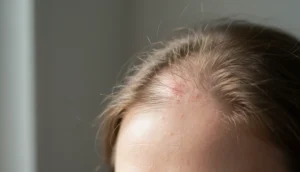
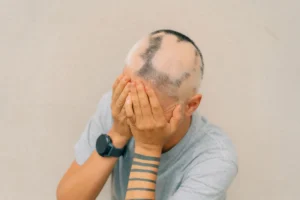
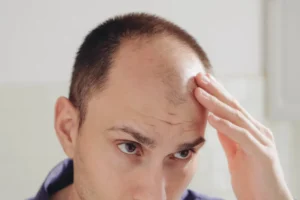
Hair loss affects up to 50 % of men and women by the age of 50, and a significant portion of those individuals report that their hair seems to have stopped growing altogether. Whether the issue stems from genetics, hormonal shifts, nutritional deficiencies, or scalp health, the impact on self‑esteem can be profound.
We’ll walk through the hair growth cycle, identify factors that can halt progress, and outline proven interventions. By the end, you’ll have a clear roadmap for whether lifestyle tweaks, topical treatments, or advanced procedures such as hair transplantation are the right path for you.
Understanding the Hair Growth Cycle
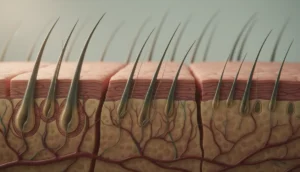
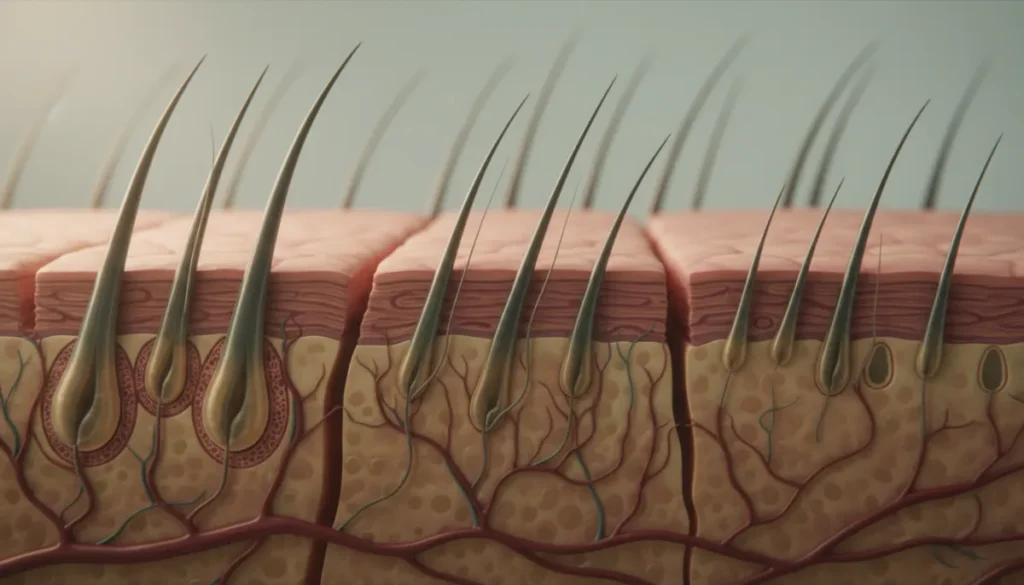
The first step in solving the mystery of why hair won’t grow is to grasp the normal hair growth cycle. Each follicle moves through three distinct phases: anagen (growth), catagen (transition), and telogen (rest). Disruptions in any of these stages can lead to thinner strands or a complete pause in growth.
During the anagen phase, cells in the hair matrix divide rapidly, pushing the hair shaft upward. This phase can last from 2 to 7 years, dictating the maximum length your hair can achieve. The catagen phase is a brief, 2‑3‑week period where growth stops and the follicle shrinks. Finally, the telogen phase lasts about 3‑4 months; at the end of this rest period, the hair is shed and a new anagen cycle begins.
Several factors can prematurely push follicles into telogen, causing the perception that hair won’t grow. Stress, hormonal imbalances, and certain medications are common culprits. Below is a quick reference table showing typical growth rates and phase durations:
| Phase | Typical Duration | Hair Growth Rate |
|---|---|---|
| Anagen | 2‑7 years | ≈ 0.35 mm/day (≈ 1 inch/month) |
| Catagen | 2‑3 weeks | No growth |
| Telogen | 3‑4 months | No growth (shedding phase) |
When the balance of these phases is disturbed, the visible result is often a slowdown or complete halt in hair lengthening, leading many to conclude that their hair simply won’t grow.
Medical and Lifestyle Factors That Stall Growth
Beyond the natural cycle, a range of medical conditions and everyday habits can cause hair to appear as though it won’t grow. Recognizing these factors helps you target the right treatment.
Key contributors include:
- Hormonal changes—thyroid disorders, androgenic alopecia, and menopause can shift follicles into the telogen phase.
- Nutrient deficiencies—low iron, zinc, biotin, or protein intake reduces the resources needed for anagen activity.
- Chronic stress—elevated cortisol levels can trigger telogen effluvium, a condition where many hairs enter the resting phase simultaneously.
- Scalp health issues—seborrheic dermatitis, fungal infections, or excessive sebum can block follicle openings.
- Medications—beta‑blockers, anticoagulants, and certain antidepressants list hair loss as a side effect.
Additionally, lifestyle choices such as smoking, excessive alcohol consumption, and lack of sleep can impair circulation to the scalp, further hindering growth.
Below is a comparison of reversible versus irreversible causes of stalled hair growth:
| Cause | Reversibility | Typical Intervention |
|---|---|---|
| Iron deficiency | Reversible | Dietary changes, iron supplements |
| Androgenic alopecia | Partially reversible | Finasteride, minoxidil, hair transplant |
| Scalp infection | Reversible | Antifungal or antibacterial treatment |
| Genetic follicle miniaturization | Irreversible | Transplant surgery, advanced therapies |
Identifying which of these factors applies to you is essential. A simple blood test can reveal deficiencies, while a dermatologist can assess scalp health and recommend targeted therapies.
When to Seek Professional Evaluation
While many cases of stalled hair growth can be managed at home, certain signs indicate that professional help is necessary. If you notice any of the following, it’s time to consult a specialist:
- Sudden, extensive shedding lasting more than two months.
- Persistent thinning despite optimized nutrition and stress reduction.
- Visible scalp redness, itching, or scaling that does not improve.
- Family history of early-onset baldness combined with personal concerns.
- Desire for a permanent solution rather than temporary regrowth.
During a clinical evaluation, doctors often use trichoscopy, a dermatoscopic examination of the scalp, to assess follicle density and health. They may also perform a pull test to gauge how many hairs are in the telogen phase.
The table below outlines typical diagnostic steps and what they reveal about the underlying cause of hair that won’t grow:
| Diagnostic Test | What It Shows | Typical Follow‑Up |
|---|---|---|
| Blood panel (iron, thyroid, hormones) | Systemic deficiencies or endocrine disorders | Targeted supplementation or medication adjustment |
| Scalp biopsy | Follicle miniaturization, inflammation | Topical treatments, possible transplant referral |
| Trichoscopy | Hair shaft thickness, density patterns | Customized growth protocol |
| Genetic testing | Predisposition to androgenic alopecia | Early intervention planning |
Early detection and a tailored plan dramatically improve the chances of restoring growth, especially when the issue is caught before extensive follicular damage occurs.
Non‑Surgical Strategies to Boost Natural Growth
Before considering surgical options, many individuals benefit from a comprehensive regimen that supports the body’s own ability to grow hair. Below are evidence‑based approaches that address the most common reasons why hair won’t grow.
Topical Treatments
Minoxidil (2 % for women, 5 % for men) is the only FDA‑approved topical medication proven to prolong the anagen phase and increase follicle size. Consistent application can yield measurable gains within three to six months.
Supplements and Nutrition
Key nutrients such as biotin, vitamin D, zinc, and omega‑3 fatty acids play pivotal roles in keratin production and scalp circulation. A daily supplement containing these elements, combined with a protein‑rich diet, can accelerate growth.
Lifestyle Adjustments
Reducing stress through mindfulness, regular exercise, and adequate sleep (7‑9 hours) improves hormonal balance and blood flow. Avoiding tight hairstyles that cause traction alopecia also helps maintain follicle health.
Here’s a concise checklist to kick‑start natural hair regrowth:
- Apply minoxidil twice daily to a clean, dry scalp.
- Consume 1 g of protein per kilogram of body weight each day.
- Include a multivitamin with biotin (5 000 µg), zinc (15 mg), and vitamin D (1 000 IU).
- Engage in moderate cardio 150 minutes per week.
- Practice stress‑reduction techniques (meditation, yoga) for at least 10 minutes daily.
While these measures can significantly improve hair density, they may not be sufficient for individuals with advanced follicular loss. In such cases, surgical intervention becomes a viable and often definitive solution.
Hair Transplant Options for Persistent Growth Issues
When non‑surgical methods are insufficient, hair transplantation offers a permanent solution to areas where hair won’t grow. Gold City Hair specializes in advanced techniques that maximize graft survival and natural appearance.
Follicular Unit Extraction (FUE)
FUE involves harvesting individual follicular units from a donor area—usually the back of the head—and implanting them into the thinning zone. This method leaves minimal scarring and allows for rapid recovery.
Direct Hair Implantation (DHI)
DHI uses a patented implanter pen that places grafts at precise angles and depths, enhancing the directionality of new growth. This technique often yields higher density and faster healing.
Eyebrow and Beard Transplants
For facial hair gaps, specialized micro‑grafts can restore natural‑looking eyebrows or beards. The same principles of follicle selection and placement apply, ensuring a harmonious result.
Below is a side‑by‑side comparison of the most popular transplant methods offered at Gold City Hair:
| Method | Typical Graft Yield | Recovery Time | Ideal Candidates |
|---|---|---|---|
| FUE | 1,500‑4,000 grafts per session | 7‑10 days for mild swelling | Moderate to extensive thinning |
| DHI | 1,200‑3,500 grafts per session | 5‑8 days, minimal discomfort | Patients seeking higher density |
| Eyebrow/Beard | 200‑800 grafts per session | 4‑6 days, low visibility | Facial hair gaps or asymmetry |
Choosing the right method depends on your specific pattern of hair loss, donor hair quality, and aesthetic goals. A personalized consultation at Gold City Hair will determine the optimal approach, ensuring that the transplanted hair integrates seamlessly with existing strands.
Why Choose Gold City Hair
Gold City Hair combines cutting‑edge technology with a patient‑first philosophy. Since 2017, our team has delivered over 10,000 successful transplants, offering FUE, DHI, and facial hair procedures with transparent communication at every step. Our Istanbul‑based clinic provides a comfortable environment, personalized treatment plans, and post‑procedure support that ensures lasting confidence.
Choosing us means partnering with experienced surgeons who prioritize natural results, safety, and a seamless experience—from your first consultation to the final follow‑up.
Ready to stop wondering why hair won’t grow and start seeing real results? Contact Gold City Hair today for a free, no‑obligation consultation. Let our experts create a customized plan that restores your hair and confidence.
FAQ
Why does my hair stop growing?
Hair can stop growing when follicles are pushed prematurely into the resting (telogen) phase due to factors like stress, hormonal changes, or nutrient deficiencies.
What are the main phases of the hair growth cycle?
The cycle includes anagen (2‑7 years of growth), catagen (2‑3 weeks transition), and telogen (3‑4 months resting).
Which medical conditions can cause hair not to grow?
Hormonal disorders, thyroid disease, iron deficiency, and scalp infections are common medical causes.
How can I tell if I need professional evaluation for hair loss?
Seek a specialist if you experience sudden extensive shedding, persistent thinning, scalp irritation, or have a family history of early baldness.
What non‑surgical treatments help stimulate hair growth?
Topical minoxidil, nutrient‑rich supplements, stress reduction, and lifestyle changes are effective non‑surgical options.
What are the differences between FUE and DHI hair transplant methods?
FUE extracts individual follicles with minimal scarring; DHI uses an implanter pen for precise placement and angle control.