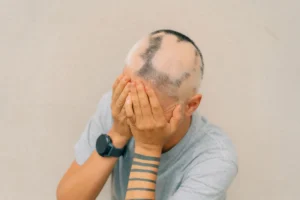
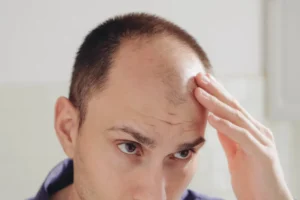
Understanding how to help alopecia naturally begins with recognizing that hair loss is a complex condition influenced by genetics, hormones, nutrition, and lifestyle. Millions of people worldwide experience some form of alopecia, and many seek solutions that avoid invasive procedures. This article explores evidence‑based natural strategies, practical tips for daily care, and the point at which professional intervention becomes advisable.
Recent studies indicate that up to 40 % of adults will notice noticeable hair thinning by the age of 35, making early action crucial. By adopting a holistic approach—combining proper nutrition, targeted topicals, and healthy habits—you can create an environment that supports hair follicles and may slow or reverse hair loss.
We’ll cover the underlying causes of alopecia, the role of diet and supplements, proven home remedies, lifestyle adjustments, and finally, when a hair transplant or other clinical treatment should be considered. Whether you are dealing with male‑pattern baldness, female thinning, or an autoimmune form of alopecia, the guidance below offers a roadmap to healthier hair and greater confidence.
Understanding Alopecia and Its Causes
Alopecia, commonly referred to as hair loss, can manifest in several patterns. The most prevalent types include androgenetic alopecia (male or female pattern), alopecia areata (patchy loss), and telogen effluvium (temporary shedding). Each type has distinct triggers, but many share common underlying factors.
Key causes of alopecia include:
- Genetic predisposition and hormonal imbalances
- Autoimmune reactions where the body attacks hair follicles
- Nutrient deficiencies, especially iron, zinc, and vitamin D
- Stress and rapid weight loss leading to telogen shift
- Scalp infections or inflammatory conditions
Identifying the specific cause is essential for selecting the right hair loss treatment. While medical therapies such as minoxidil or finasteride are often prescribed, many patients first explore natural approaches to support hair growth and reduce further loss.
Nutritional Support for Hair Regrowth
What you eat directly influences the health of your hair follicles. A diet rich in essential vitamins and minerals can stimulate hair growth and improve overall scalp condition. Below is a concise guide to nutrients that play a pivotal role in hair health.
| Nutrient | Primary Food Sources | Benefit for Hair |
|---|---|---|
| Biotin (Vitamin B7) | Eggs, nuts, salmon | Strengthens hair shaft and reduces breakage |
| Iron | Spinach, lentils, lean red meat | Prevents anemia‑related shedding |
| Zinc | Pumpkin seeds, oysters, chickpeas | Supports oil‑gland function and follicle repair |
| Vitamin D | Fatty fish, fortified dairy, sunlight exposure | Regulates hair growth cycle |
| Omega‑3 Fatty Acids | Flaxseed, walnuts, mackerel | Improves scalp circulation and reduces inflammation |
Incorporating these foods into daily meals can be a cornerstone of a natural hair growth regimen. For those struggling to meet nutritional needs through diet alone, high‑quality supplements—such as a biotin‑rich complex or marine‑derived omega‑3 capsules—can fill gaps.
Beyond individual nutrients, overall dietary patterns matter. The Mediterranean diet, characterized by abundant vegetables, whole grains, lean proteins, and healthy fats, has been linked to lower rates of hair thinning. Pairing balanced meals with adequate hydration (aim for at least 2 liters of water per day) creates an optimal internal environment for follicles to thrive.
Topical and Home Remedies
When it comes to how to help alopecia naturally, topical applications are a practical first line of defense. Many plant‑based oils and extracts contain compounds that nourish the scalp, improve circulation, and protect follicles from oxidative stress.
Effective home remedies include:
- Rosemary essential oil – Diluted with a carrier oil, it has been shown in small studies to increase hair count comparable to minoxidil.
- Castor oil – Rich in ricinoleic acid, it improves scalp circulation and provides antimicrobial benefits.
- Green tea extract – Contains catechins that may inhibit DHT, a hormone linked to androgenetic alopecia.
- Aloe vera gel – Soothes inflammation and creates a moist environment conducive to growth.
- Onion juice – High in sulfur, it supports collagen production and may stimulate dormant follicles.
To use these remedies safely, follow a simple routine: cleanse the scalp with a gentle shampoo, apply the chosen oil or extract 2–3 times per week, and massage gently for 5 minutes to enhance blood flow. Consistency is key; visible results typically appear after 8–12 weeks of regular use.
While these natural products can aid hair regrowth, they are most effective when combined with a nutrient‑rich diet and lifestyle adjustments. Remember that individual responses vary, and it may be helpful to conduct a patch test before full application.
Lifestyle Changes to Reduce Hair Loss
Beyond diet and topicals, everyday habits play a decisive role in the progression of alopecia. Simple adjustments can markedly lower the risk of further shedding and create a supportive environment for new growth.
Key lifestyle strategies:
- Stress management – Chronic stress elevates cortisol, which can push hair follicles into the resting phase. Techniques such as meditation, yoga, or deep‑breathing exercises are effective.
- Adequate sleep – Aim for 7–9 hours nightly; sleep promotes hormone regulation and tissue repair.
- Avoid harsh styling – Limit heat tools, tight ponytails, and chemical treatments that cause mechanical damage.
- Quit smoking – Tobacco constricts blood vessels, reducing nutrient delivery to the scalp.
- Protect from UV exposure – Sun damage can weaken hair shafts; wear a hat or use a UV‑protective spray when outdoors.
Implementing these habits not only supports hair health but also improves overall well‑being, which in turn can positively affect hair growth cycles. For those looking to how to stop hair loss without medication, these changes are often the most sustainable approach.
When to Seek Professional Treatment
Natural methods can be powerful, yet there are scenarios where professional intervention provides the best chance of restoring density and confidence. Understanding how to help alopecia naturally also means recognizing its limits.
Consider consulting a specialist if you experience any of the following:
- Rapid or extensive hair loss over a few months
- Persistent bald patches that do not respond to home care
- Associated symptoms such as itching, pain, or scalp rash
- Underlying medical conditions (e.g., thyroid disorder, autoimmune disease)
Modern clinics, like Gold City Hair, offer advanced procedures—FUE (Follicular Unit Extraction), DHI (Direct Hair Implantation), and eyebrow or beard transplants—that provide permanent, natural‑looking results. Below is a brief comparison of natural versus clinical approaches.
| Aspect | Natural Strategies | Professional Treatment |
|---|---|---|
| Time to Visible Results | 3–12 months | 3–6 months post‑procedure |
| Cost | Low to moderate (diet, supplements) | Higher (surgical fees, follow‑up) |
| Degree of Hair Restoration | Partial, depends on individual response | Significant, up to 90 % density |
| Risk Level | Minimal | Low‑moderate (infection, scarring) |
Choosing the right path often involves a personalized assessment. Many patients start with natural measures, then transition to a surgical solution when progress plateaus. The key is a transparent conversation with a qualified clinician who can tailor a plan to your specific pattern of alopecia.
Why Choose Gold City Hair for Your Hair Restoration Journey
Gold City Hair combines cutting‑edge techniques such as FUE and DHI with a patient‑centered approach that emphasizes transparent communication and personalized care. Since 2017, the clinic has helped countless individuals regain confidence through natural‑looking results and meticulous post‑procedure support. Our experienced team tailors each plan to the unique needs of the client, ensuring that every step—from initial consultation to final follow‑up—is handled with professionalism and expertise.
Ready to take the next step toward fuller, healthier hair? Contact Gold City Hair today to schedule a free, no‑obligation consultation and discover a treatment plan that fits your goals.
Experience the confidence that comes with a personalized, results‑driven approach—your journey to natural‑looking hair restoration starts now.
FAQ
What are the main natural causes of alopecia?
Alopecia can be triggered by genetics, hormonal imbalances, nutrient deficiencies, chronic stress, and scalp inflammation.
Which nutrients are most important for supporting hair regrowth?
Biotin, iron, zinc, vitamin D, and omega‑3 fatty acids are key for healthy hair follicles.
How does rosemary essential oil help with hair loss?
Rosemary oil may increase hair count by improving scalp circulation and providing antioxidant benefits, comparable to minoxidil in some studies.
What lifestyle changes can reduce hair loss naturally?
Managing stress, getting 7‑9 hours of sleep, avoiding harsh styling, quitting smoking, and protecting hair from UV exposure are effective lifestyle strategies.
When should someone consider professional hair transplant treatment?
If hair loss is rapid, extensive, unresponsive to home care, or accompanied by pain, itching, or medical conditions, a specialist should be consulted.
Are there risks associated with natural hair loss remedies?
Natural remedies are generally low‑risk, but allergic reactions, scalp irritation, and inconsistent results can occur.
How long does it typically take to see results from natural hair loss treatments?
Visible improvements usually appear after 8–12 weeks of consistent use, though full benefits may take 3–12 months.