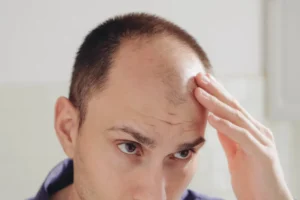
A scalp bald condition can be distressing, affecting confidence and daily life. Understanding why the hair on your scalp disappears and what can be done about it is the first step toward regaining a fuller appearance. Each year, millions of people worldwide face this challenge, with studies showing that up to 40% of men and 30% of women experience noticeable thinning by age 35.
This article explores the underlying mechanisms of scalp baldness, how specialists diagnose the problem, and the range of treatments available—from topical solutions to advanced hair transplant procedures. By the end, you’ll have a clear roadmap for discussing options with a qualified clinic and making informed decisions about your hair health.
Whether you’re noticing a receding hairline, a widening crown, or sudden patches, the information below will help you identify the cause and choose the most appropriate hair loss treatment for your situation.
What Is Scalp Baldness and Who Is Affected?
Scalp baldness refers to the loss of hair follicles on the scalp, resulting in visible thinning or complete absence of hair. While the term is often used interchangeably with “baldness,” it specifically describes the condition of the scalp surface rather than the entire head.
Definition and Terminology
Medical professionals classify hair loss using several terms:
- Alopecia – a general term for hair loss of any cause.
- Alopecia areata – an autoimmune condition causing round patches of hair loss.
- Androgenetic alopecia – commonly known as male or female pattern baldness.
Common Patterns of Hair Loss
Understanding the pattern helps pinpoint the cause:
- Male pattern baldness – thinning at the temples and crown, often progressing to a bald spot.
- Female pattern baldness – diffuse thinning over the top of the scalp while the frontal hairline remains intact.
- Traction alopecia – hair loss due to chronic pulling from tight hairstyles.
Below is a quick comparison of the most prevalent types:
| Type | Typical Pattern | Primary Cause |
|---|---|---|
| Androgenetic Alopecia | Receding hairline, crown thinning | Genetic & hormonal (DHT) |
| Alopecia Areata | Round patches | Autoimmune response |
| Traction Alopecia | Frontal hairline loss | Mechanical stress |
Common Causes of Scalp Baldness
Identifying the root cause of a scalp bald condition is essential for selecting an effective treatment plan. Below are the most frequent contributors:
Genetic Factors (Androgenetic Alopecia)
Genetics play a dominant role in male pattern baldness and female pattern thinning. The hormone dihydrotestosterone (DHT) binds to hair follicle receptors, shortening the growth phase and eventually leading to follicle miniaturization.
Autoimmune Conditions (Alopecia Areata)
In alopecia areata, the immune system mistakenly attacks hair follicles, causing sudden, often symmetrical patches of hair loss. While the exact trigger is unclear, stress and viral infections can exacerbate the condition.
Lifestyle and Environmental Influences
Several modifiable factors can accelerate hair loss:
- Chronic stress – elevates cortisol, disrupting hair growth cycles.
- Poor nutrition – deficiencies in iron, zinc, and biotin affect follicle health.
- Harsh hair care – excessive heat, chemical treatments, and tight hairstyles.
- Medical conditions – thyroid disorders, anemia, and certain medications.
Below is a concise checklist for self‑assessment:
| Factor | Potential Impact on Scalp | Actionable Tip |
|---|---|---|
| Stress | Accelerates telogen shedding | Practice mindfulness or regular exercise |
| Nutrition | Deficiency‑related thinning | Include iron‑rich foods and supplements |
| Hair Styling | Traction alopecia | Loosen hairstyles, avoid tight bands |
| Medical Issues | Hormonal imbalance | Consult a physician for blood work |
Diagnosing Scalp Baldness: What to Expect at a Clinic
Professional evaluation begins with a thorough history and visual examination. Dermatologists and hair restoration specialists use several tools to pinpoint the cause of a scalp bald condition.
Physical Examination
The clinician assesses the pattern of hair loss, scalp health, and the presence of inflammation or scaling. Photographs are often taken to track progress over time.
Diagnostic Tests
Common tests include:
- Trichoscopy – dermatoscopic imaging of the hair shaft and follicle.
- Scalp biopsy – a small tissue sample examined under a microscope to identify alopecia types.
- Blood work – checks for thyroid function, iron levels, and hormonal imbalances.
Comparison of diagnostic methods:
| Test | Purpose | Invasiveness |
|---|---|---|
| Trichoscopy | Visualize follicle health | Non‑invasive |
| Scalp Biopsy | Confirm alopecia type | Minimally invasive |
| Blood Tests | Identify systemic causes | Non‑invasive |
Patients are encouraged to bring a list of current medications and any recent changes in health, as these details can influence the diagnosis.
Treatment Options: From Medication to Hair Transplant
Once the cause of a scalp bald condition is identified, a tailored treatment plan can be developed. Options range from topical solutions to surgical interventions.
FDA‑Approved Medications
Two primary drugs are widely prescribed:
- Minoxidil – a topical solution that prolongs the growth phase of hair follicles. Effective for both men and women.
- Finasteride – an oral medication that reduces DHT levels, slowing hair loss in men.
Non‑Surgical Therapies
Emerging treatments include:
- Platelet‑rich plasma (PRP) injections – stimulate follicle regeneration.
- Low‑level laser therapy (LLLT) – improves blood flow to the scalp.
- Topical anti‑inflammatory agents for alopecia areata.
Surgical Solutions: Hair Transplant Techniques
For permanent restoration, hair transplant remains the gold standard. Gold City Hair specializes in:
- Follicular Unit Extraction (FUE) – individual follicles are harvested and implanted, leaving minimal scarring.
- Direct Hair Implantation (DHI) – a refined version of FUE that uses a specialized pen for precise placement.
Success rates for modern FUE and DHI procedures exceed 90% when performed by experienced surgeons, with natural‑looking results that can be seen within 9‑12 months.
Caring for a Bald Scalp: Lifestyle and Aftercare Tips
Even after treatment, proper scalp care enhances results and maintains overall scalp health. Below are practical recommendations for individuals with a scalp bald condition.
Sun Protection and Moisturization
Exposed scalp skin is vulnerable to UV damage. Use a broad‑spectrum sunscreen with at least SPF 30, or wear a hat when outdoors for extended periods. Moisturizing with a gentle, fragrance‑free lotion helps prevent dryness and itching.
Nutrition and Supplements
Support hair follicles from the inside out:
- Protein – essential for keratin production.
- Biotin, zinc, and iron – linked to hair strength.
- Omega‑3 fatty acids – reduce inflammation.
Gentle Hair Care Practices
Choose mild shampoos, avoid excessive heat styling, and limit chemical treatments. When using a brush or comb, opt for soft bristles to reduce scalp irritation.
Adopting these habits can improve comfort, protect the scalp, and complement any medical or surgical treatment you pursue.
Why Choose Gold City Hair
Gold City Hair has been delivering personalized hair restoration solutions in Turkey since 2017. Our clinic combines cutting‑edge FUE and DHI techniques with a transparent, patient‑focused approach. Every client receives a comprehensive evaluation, a customized treatment plan, and ongoing support to ensure natural, lasting results. Trust a team that prioritizes your confidence and comfort at every step.
Ready to transform your scalp and regain confidence? Contact Gold City Hair today to schedule a confidential consultation and discover the best solution for your hair loss journey.
FAQ
What are the main causes of scalp baldness?
Scalp baldness is mainly caused by genetic factors (androgenetic alopecia), autoimmune conditions like alopecia areata, and lifestyle influences such as stress, poor nutrition, and harsh hair care.
How is scalp baldness diagnosed by specialists?
Doctors perform a physical exam, take detailed history, and may use trichoscopy, scalp biopsy, and blood tests to pinpoint the cause of hair loss.
What FDA‑approved medications are available for treating scalp baldness?
The two primary FDA‑approved drugs are topical minoxidil and oral finasteride.
What non‑surgical therapies can improve hair growth?
Non‑surgical options include PRP injections, low‑level laser therapy, and topical anti‑inflammatory agents for alopecia areata.
How do modern hair transplant techniques like FUE and DHI work?
FUE extracts individual follicles and implants them with minimal scarring, while DHI uses a specialized pen for precise placement of each graft.
What after‑care practices support a healthy scalp post‑treatment?
Protect the scalp from UV, keep it moisturized, maintain a balanced diet, and use gentle hair care products.