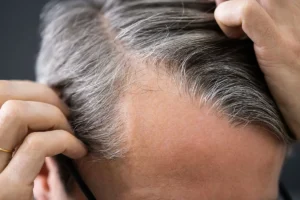
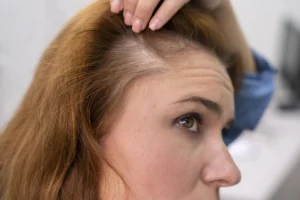
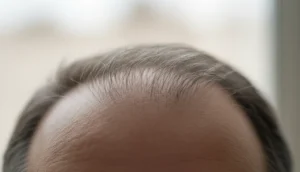
Hairline thinning on one side is a common but often misunderstood pattern of hair loss that can affect both men and women. While many people associate hair loss with a uniform recession, an uneven thinning can signal specific underlying factors that require targeted attention. In this article, we explore the most frequent causes, diagnostic methods, and treatment pathways—including advanced hair transplant techniques such as FUE and DHI—so you can make an informed decision about restoring a balanced, natural‑looking hairline.
According to recent dermatology surveys, up to 30 % of individuals experiencing early‑stage alopecia notice a noticeable difference between the left and right sides of their scalp. This asymmetry can be especially distressing because it draws attention to a specific area, impacting confidence and self‑image. Understanding why this occurs and what options are available is the first step toward a successful resolution.
In the sections that follow, we will break down the biological, lifestyle, and mechanical contributors to one‑sided hair loss, outline how professionals assess the condition, and compare non‑surgical and surgical solutions. Whether you are exploring medication, lifestyle adjustments, or a permanent transplant, this guide provides a comprehensive roadmap.
Causes of Asymmetric Hairline Thinning
There are several reasons why hairline thinning on one side may develop, and each cause calls for a distinct approach. Below are the most prevalent factors:
- Genetic predisposition: While androgenetic alopecia typically produces a symmetrical pattern, variations in gene expression can lead to uneven recession.
- Traction alopecia: Hairstyles that pull the hair tightly—such as ponytails or braids—often affect one side more than the other, especially if the tension is consistently applied to the same region.
- Localized scalp conditions: Psoriasis, dermatitis, or fungal infections can target a specific area, causing localized thinning.
- Sleep habits: Sleeping on one side of the head night after night can create subtle friction that, over years, contributes to thinning on that side.
- Medical factors: Hormonal imbalances, thyroid disorders, and certain medications may manifest asymmetrically, especially when combined with other risk factors.
Understanding the root cause is essential because it influences the treatment plan. For example, if traction alopecia is the primary driver, modifying hair‑styling practices may halt further loss, whereas genetic factors often require medical or surgical interventions.
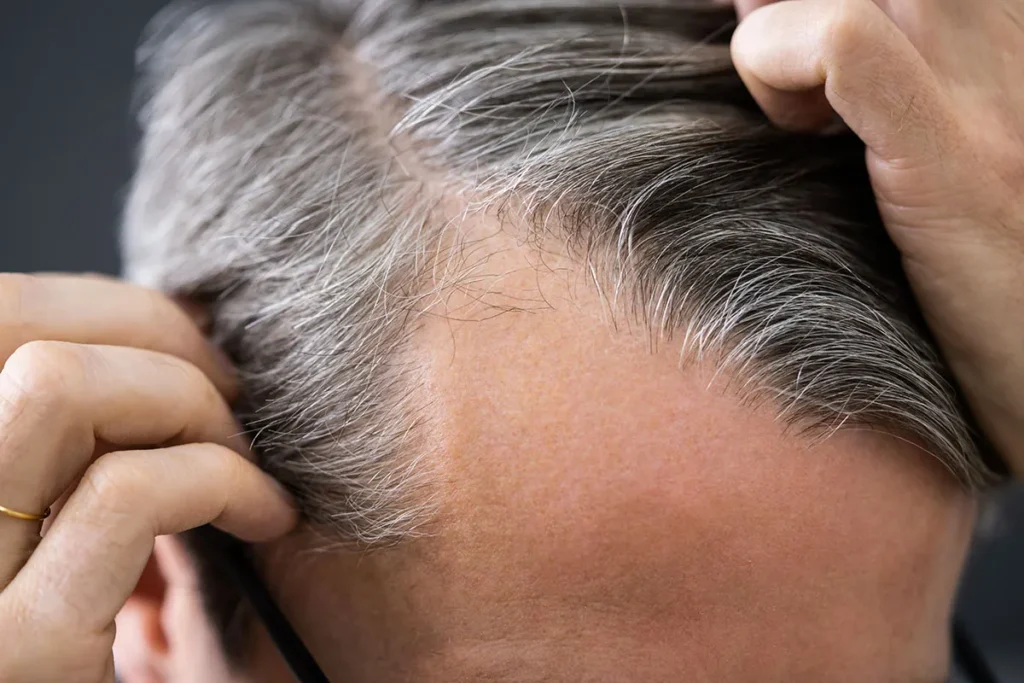
How to Diagnose One‑Sided Hair Loss
Accurate diagnosis begins with a detailed medical history and visual examination. Dermatologists and hair restoration specialists typically follow a systematic approach:
| Step | Purpose |
|---|---|
| Patient interview | Identify lifestyle habits, family history, and recent changes in health. |
| Scalp inspection | Assess pattern, density, and any signs of inflammation or scarring. |
| Pull test | Determine active shedding by gently pulling a small bundle of hairs. |
| Trichoscopy | Use a dermatoscope to view follicular units and detect miniaturization. |
| Blood work | Check for hormonal imbalances, iron deficiency, and thyroid function. |
In cases where the cause is not immediately apparent, a dermatologist may order a scalp biopsy to rule out conditions such as alopecia areata or other autoimmune disorders. Modern imaging tools, including high‑resolution ultrasound, can also map hair density and help differentiate between temporary shedding and permanent follicle loss.
Treatment Options: From Medication to Transplant
Once the underlying cause is identified, a range of treatment options can be considered. The choice depends on the severity of the thinning, patient preferences, and long‑term goals.
Medical Therapies
Topical minoxidil and oral finasteride remain the first‑line pharmacologic agents for androgenetic alopecia, even when the pattern is asymmetrical. For patients with inflammatory scalp conditions, corticosteroid creams or intralesional injections can reduce inflammation and promote regrowth.
Procedural Interventions
When medication alone does not achieve satisfactory density, hair transplantation offers a permanent solution. Two leading techniques are:
- Follicular Unit Extraction (FUE): Individual follicles are harvested from a donor area (usually the back of the head) and implanted into the thinning zone, preserving natural hair direction.
- Direct Hair Implantation (DHI): Similar to FUE but utilizes a specialized implanter pen to place follicles at precise angles, often resulting in faster recovery.
Both methods allow clinicians to tailor the graft distribution to correct the imbalance, creating a symmetrical hairline that blends seamlessly with existing hair.
Adjunctive Therapies
Low‑level laser therapy (LLLT), platelet‑rich plasma (PRP) injections, and nutraceuticals (biotin, zinc, and omega‑3 fatty acids) can enhance graft survival and support overall scalp health. While these are not standalone cures, they complement surgical outcomes and may reduce the need for repeat procedures.
Lifestyle Changes to Support Hair Growth
Even with medical or surgical interventions, everyday habits play a crucial role in maintaining hair density. Consider adopting the following practices:
- Gentle hair handling: Avoid tight hairstyles and use wide‑tooth combs to reduce mechanical stress.
- Balanced nutrition: Incorporate protein‑rich foods, leafy greens, and healthy fats to supply essential nutrients for follicle health.
- Stress management: Chronic stress can elevate cortisol levels, which may exacerbate hair loss; practices such as meditation or regular exercise can mitigate this effect.
- Scalp hygiene: Keep the scalp clean and free of excess sebum to prevent follicular blockage.
- Proper sleep posture: Alternate sleeping sides or use a silk pillowcase to minimize friction on the hairline.
These adjustments not only support existing hair but also create an optimal environment for transplanted grafts to thrive. Consistency is key; results typically become noticeable after several months of sustained effort.
Preparing for a Hair Transplant Procedure
Choosing to undergo a hair transplant is a significant decision that requires thorough preparation. Below is a checklist to ensure a smooth experience:
| Preparation Step | Details |
|---|---|
| Consultation | Discuss goals, review medical history, and determine the most suitable technique (FUE or DHI). |
| Pre‑operative labs | Blood tests to confirm healthy platelet levels and rule out infections. |
| Medication review | Stop anticoagulants or certain supplements as advised by the surgeon. |
| Hair care routine | Wash the scalp with a mild shampoo 24 hours before the procedure. |
| Post‑operative plan | Arrange for transportation, plan a few days of rest, and stock up on prescribed after‑care products. |
During the procedure, the surgeon will map the donor area, extract grafts, and meticulously place them within the thinning zone, ensuring natural hair direction and density. Recovery time varies, but most patients resume light activities within a week and see initial graft survival within two weeks.
Why Choose Gold City Hair
At Gold City Hair, our team combines cutting‑edge technology with a personalized approach to address hairline thinning on one side. Since 2017, we have performed thousands of successful FUE and DHI transplants, delivering natural‑looking results that restore confidence. Our clinicians conduct comprehensive diagnostics, tailor treatment plans to each individual’s unique pattern, and provide transparent communication throughout the journey. Trust a clinic that prioritizes safety, expertise, and patient satisfaction.
Ready to regain a balanced, full hairline? Contact Gold City Hair today to schedule a confidential consultation and discover how our customized transplant solutions can transform your look.
Take the first step toward lasting confidence—let our experts guide you to a brighter, fuller future.
FAQ
What causes hairline thinning on one side?
Several factors such as genetics, traction alopecia, scalp conditions, sleep habits, and medical issues can lead to one‑sided thinning.
How is asymmetric hair loss diagnosed?
Diagnosis involves medical history, scalp inspection, pull test, trichoscopy, and sometimes blood work or a biopsy.
Can medication treat one‑sided hairline thinning?
Topical minoxidil and oral finasteride are first‑line treatments; anti‑inflammatories help with scalp conditions.
What are the differences between FUE and DHI hair transplants?
FUE extracts individual follicles and implants them manually, while DHI uses a pen‑style implanter for precise placement.
Which lifestyle changes support hair growth after a transplant?
Gentle hair handling, balanced nutrition, stress management, proper scalp hygiene, and alternating sleep positions help graft survival.
Why choose Gold City Hair for a hairline transplant?
Gold City Hair offers experienced clinicians, advanced FUE/DHI techniques, personalized diagnostics, and a track record of natural results since 2017.