Many patients ask the question, how long does hair transplant take to grow, because the answer determines expectations, planning, and confidence after surgery. A clear timeline helps you track progress, avoid unnecessary worry, and make informed decisions about post‑operative care. In this article we break down each phase of growth, explain why the process varies from person to person, and provide practical tips to support healthy results. Whether you are considering a hair transplant for the first time or are already in the recovery stage, understanding the growth schedule is essential for a successful transformation.
Hair restoration is not an instant fix; it follows a natural biological cycle that mirrors how hair grows on the scalp. Most clinics report visible new growth beginning around three months, with full maturation often taking up to a year. However, individual experiences can differ based on technique, age, genetics, and post‑surgical care. Below we explore the typical milestones, the factors that influence speed, and what you can do to maximize the outcome.
By the end of this guide you will know exactly what to expect, how to monitor progress, and why choosing an experienced center like Gold City Hair makes a meaningful difference in your journey.
Typical Growth Stages After a Hair Transplant
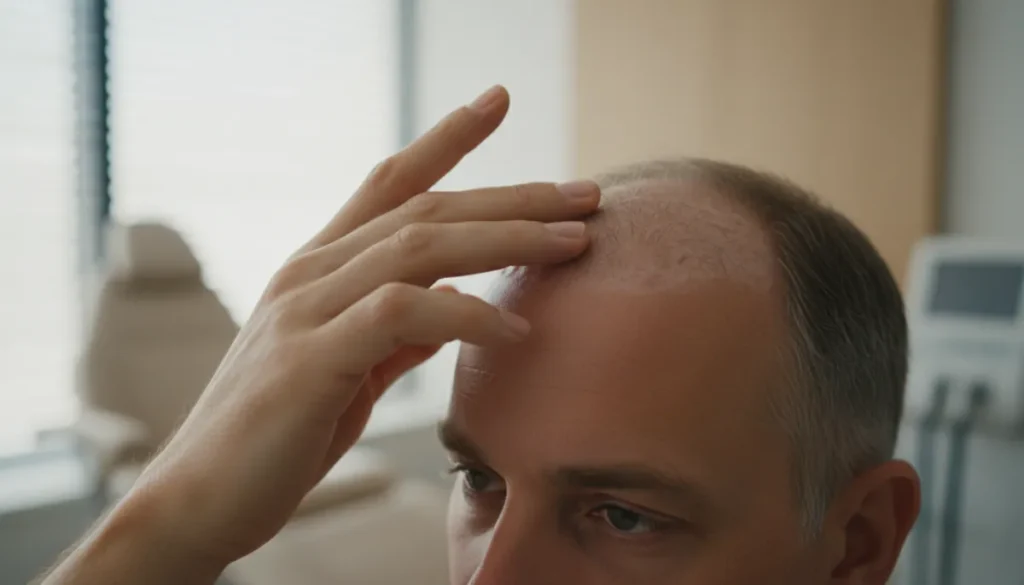
The healing process after a hair transplant surgery follows a predictable pattern that can be divided into four main phases. Knowing these phases helps you differentiate normal shedding from potential complications.
1. Immediate Post‑Operative Phase (Days 0‑7)
During the first week the transplanted grafts are fragile. The scalp may appear reddened, and tiny scabs form around each graft. No visible hair growth occurs yet, but the follicles are securing themselves in the recipient sites.
2. Shedding Phase (Weeks 2‑8)
Most patients experience a “shock loss” where the transplanted hairs fall out. This is a normal response as the follicles enter a resting state before new growth begins. The shedding can be confusing, but it signals that the grafts are resetting.
3. New Growth Phase (Months 3‑6)
Fine, often lighter hairs start to emerge around the third month. These hairs gradually thicken and darken over the next few weeks. By the end of month six, a noticeable density increase is usually evident.
4. Maturation Phase (Months 9‑12)
Hair strands reach their final thickness and natural curl pattern. The overall appearance stabilizes, and most patients consider the transplant “complete” at this point.
- Day 0‑7: Scalp healing, no visible hair.
- Week 2‑8: Shedding of transplanted hairs.
- Month 3‑6: Emergence of fine new hairs.
- Month 9‑12: Full maturation and final density.
| Phase | Time Frame | What You See |
|---|---|---|
| Immediate | 0‑7 days | Redness, scabs, no growth |
| Shedding | 2‑8 weeks | Hair loss from grafts |
| New Growth | 3‑6 months | Fine hairs appear, gradually darken |
| Maturation | 9‑12 months | Full thickness, natural appearance |
Answering the core question—how long does hair transplant take to grow—the short answer is that visible results start at three months, with full maturation by twelve months. Patience and proper care during each stage are key to achieving the best possible outcome.
Factors That Influence How Quickly Hair Grows
While the timeline above represents an average, several variables can accelerate or delay the growth process. Understanding these factors helps you set realistic expectations and tailor post‑operative care.
Technique Used
Modern methods such as FUE (Follicular Unit Extraction) and DHI (Direct Hair Implantation) tend to produce faster initial recovery compared to older strip‑harvest techniques. The precision of graft placement and minimal trauma to the scalp contribute to quicker establishment of blood supply.
Age and Genetics
Younger patients generally experience faster follicle activation, while genetics dictate the inherent growth rate of your hair. Those with a family history of rapid hair growth may notice earlier results.
Donor Area Quality
The density and health of the donor region directly affect graft survival. A robust donor area supplies stronger follicles that integrate more efficiently.
Post‑Operative Care
Following the surgeon’s instructions—such as gentle washing, avoiding direct sun, and using prescribed medications—supports optimal graft nourishment.
- Technique (FUE, DHI, traditional strip)
- Age and genetic predisposition
- Donor hair quality
- Medication and supplements
- Lifestyle (nutrition, smoking, stress)
| Factor | Impact on Growth Speed | Typical Adjustment |
|---|---|---|
| Technique (FUE/DHI) | +1‑2 months earlier visible growth | Choose minimally invasive methods |
| Age (20‑30) | Standard timeline | Maintain healthy lifestyle |
| Age (50+) | Potential delay of 1‑2 months | Enhanced post‑op nutrition |
| Donor Quality | Directly correlates with graft survival | Thorough pre‑operative assessment |
Even with optimal conditions, the answer to how long does hair transplant take to grow can shift slightly. Recognizing these influences empowers you to work proactively with your clinic for the fastest, healthiest results.
What to Expect During the Recovery Timeline
The hair transplant recovery timeline is a step‑by‑step journey that extends beyond the growth phases. Knowing what activities are safe at each stage reduces the risk of complications.
Week 1: Initial Healing
- Keep the scalp clean using the surgeon‑provided solution.
- Avoid strenuous exercise and heavy sweating.
- Sleep with the head elevated to reduce swelling.
Weeks 2‑4: Gentle Activity Resumes
- Light cardio (walking) is usually permitted.
- Continue avoiding direct sun exposure.
- Begin using prescribed topical minoxidil if recommended.
Months 2‑3: Early Growth Monitoring
- Most patients notice the first signs of shedding.
- Maintain a balanced diet rich in protein, iron, and biotin.
- Schedule a follow‑up appointment to assess graft retention.
Months 4‑6: Visible New Hair
- Fine hairs become noticeable; gentle styling is safe.
- Consider low‑level laser therapy to stimulate growth.
- Continue any prescribed oral supplements.
Months 7‑12: Final Results
- Hair reaches full thickness and natural curl.
- Long‑term maintenance includes regular scalp massages.
- Annual check‑ups help monitor overall scalp health.
Throughout the recovery, any deviation from the expected pattern—such as prolonged redness, excessive pain, or lack of shedding—should be discussed with your surgeon promptly. This vigilance ensures that the answer to how long does hair transplant take to grow remains on track for you.
Comparing Different Transplant Techniques: FUE vs DHI vs Traditional
Choosing the right method influences not only the aesthetic outcome but also the speed of growth. Below is a concise comparison of the three most common approaches.
| Technique | Procedure Overview | Recovery Speed | Typical Growth Onset |
|---|---|---|---|
| FUE | Individual follicles are extracted directly from the donor area using a micro‑punch. | Fast – minimal scarring, quicker healing. | 3‑4 months |
| DHI | Grafts are loaded into a proprietary implanter and placed without creating recipient incisions first. | Very fast – less trauma, immediate placement. | 2‑3 months |
| Traditional Strip | A strip of scalp is removed, then dissected into grafts. | Slower – larger wound, longer healing. | 4‑6 months |
Patients often wonder, “how long does hair transplant take to grow” when comparing these options. DHI typically offers the earliest visible growth, followed closely by FUE, while the traditional strip method may delay initial visibility by a few months. Your surgeon will recommend the technique that aligns with your hair loss pattern, donor density, and personal preferences.
Tips to Maximize Growth and Long‑Term Success
Even after the grafts have taken root, ongoing care can influence the final density and durability of your hair restoration.
- Nutrition: Prioritize protein, omega‑3 fatty acids, and vitamins A, C, D, and E.
- Scalp Stimulation: Gentle massage and low‑level laser devices improve blood flow.
- Avoid Smoking: Nicotine constricts blood vessels, slowing graft nourishment.
- Stress Management: Chronic stress can trigger telogen effluvium, affecting new growth.
- Follow Medication Regimens: Use minoxidil or finasteride as prescribed to maintain existing hair and support new follicles.
By integrating these habits, you reinforce the answer to the central question—ensuring that the period of how long does hair transplant take to grow translates into a lasting, natural‑looking result.
Why Choose Gold City Hair for Your Hair Restoration
Gold City Hair combines over six years of expertise with state‑of‑the‑art FUE and DHI techniques, delivering personalized treatment plans that prioritize safety and aesthetic excellence. Our team provides transparent communication, detailed pre‑operative assessments, and comprehensive after‑care support, ensuring that each patient’s growth timeline is clearly understood and optimally managed. Located in Turkey, we offer world‑class facilities at competitive prices, making premium hair restoration accessible without compromising quality.
Ready to start your transformation? Contact Gold City Hair today to schedule a free, no‑obligation consultation and learn how we can tailor a plan that fits your goals and timeline.
Take the first step toward renewed confidence—your new hair journey begins now.
FAQ
How long does it take for hair transplant results to become visible?
Visible new hairs usually appear around three months after surgery.
What are the different growth phases after a hair transplant?
There are four main phases: immediate post‑op, shedding, new growth, and maturation.
Which hair transplant technique offers the fastest growth?
DHI generally shows the earliest visible growth, often within 2‑3 months.
What factors can affect the speed of hair growth after a transplant?
Technique, age, genetics, donor hair quality, and post‑op care all influence growth speed.
How should I care for my scalp during the first week after a hair transplant?
Keep the scalp clean with the surgeon’s solution, avoid strenuous activity, and sleep with the head elevated.
Is shedding after a hair transplant normal?
Yes, the shedding (or shock loss) phase is a normal part of the healing process.
When can I expect full maturation of transplanted hair?
Full maturation usually occurs between nine and twelve months after the procedure.
Can lifestyle choices influence hair transplant recovery?
Yes, nutrition, smoking, stress, and sleep quality can affect graft survival and growth speed.





