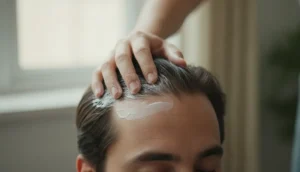
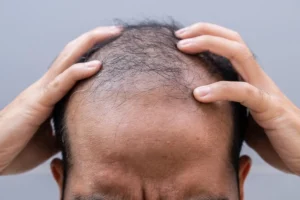
Understanding how to open hair follicles is essential for anyone dealing with thinning hair, clogged pores, or recurring folliculitis. This article explains the anatomy of the follicle, identifies common blockages, and provides both natural and professional strategies to restore optimal scalp health. Did you know that up to 40% of people experience some form of follicle obstruction during their lifetime? Whether the issue stems from excess sebum, bacterial overgrowth, or harsh styling habits, the right approach can revitalize the hair root and promote fuller growth.
We will explore the science behind follicle closure, outline practical steps you can take at home, and discuss when clinical intervention becomes necessary. By the end of this guide, you’ll have a clear roadmap to keep your hair follicles open, reduce inflammation, and support long‑term hair vitality.
Let’s begin by demystifying the structure of the hair follicle and why it sometimes becomes sealed.
Understanding Hair Follicle Structure and Why They Close
The hair follicle is a complex mini‑organ that houses the hair root, the hair bulb, and a network of sebaceous glands. Each follicle cycles through growth (anagen), regression (catagen), and rest (telogen) phases. When the follicle’s opening narrows, sebum and dead skin cells can accumulate, creating an environment ripe for bacterial or fungal growth, commonly known as folliculitis.
Several factors contribute to follicle closure:
- Excessive oil production that clogs the follicular canal.
- Improper exfoliation leading to a buildup of keratin plugs.
- Inflammatory skin conditions such as acne or psoriasis.
- Environmental irritants like chlorine or harsh chemicals.
When these elements combine, the follicle can become “closed,” limiting nutrient flow to the hair bulb and impeding new growth. Recognizing early signs—such as tiny bumps, itching, or a dull scalp—allows you to intervene before permanent damage occurs.
Common Causes of Follicle Blockage and Inflammation
Identifying the root causes of blocked follicles is the first step toward effective treatment. Below is a table summarizing the most frequent contributors and their typical manifestations.
| Cause | Typical Symptoms | Recommended Prevention |
|---|---|---|
| Excess Sebum | Greasy scalp, small whiteheads | Regular gentle cleansing, oil‑free shampoos |
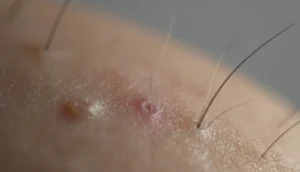
| Bacterial Folliculitis | Red, pus‑filled bumps | Avoid sharing hats, keep scalp dry |
| Fungal Infections | Itchy, flaky patches | Antifungal shampoos, keep hair dry |
| Mechanical Irritation | Burnt or ingrown hairs | Limit tight hairstyles, use soft brushes |
Beyond these, lifestyle factors such as a high‑sugar diet, smoking, and chronic stress can exacerbate inflammation, leading to conditions like pseudofolliculitis barbae on the beard area or scalp folliculitis on the crown. Understanding these triggers empowers you to tailor a prevention plan that keeps follicles open and healthy.
Natural Methods to Gently Open Hair Follicles
For many people, non‑invasive approaches are sufficient to restore follicular openness. Below are evidence‑based techniques that you can incorporate into a daily routine.
Scalp Exfoliation
Gentle exfoliation removes dead skin cells that clog the follicular opening. Use a mild scrub containing salicylic acid or a DIY mixture of sugar and coconut oil. Apply in circular motions for 2‑3 minutes, then rinse thoroughly.
Steam Therapy
Steam softens the outer layer of the follicle, making it easier for sebum to flow out. Boil water, place a towel over your head, and inhale the steam for 5‑10 minutes. Follow with a cool rinse to close the pores.
Essential Oil Blends
Rosemary, tea tree, and peppermint oils have antimicrobial properties that combat folliculitis. Dilute 2‑3 drops in a carrier oil (like jojoba) and massage into the scalp for 5 minutes before washing.
- Rosemary – stimulates circulation.
- Tea Tree – reduces bacterial load.
- Peppermint – provides a cooling effect.
Dietary Adjustments
Foods rich in zinc, biotin, and omega‑3 fatty acids support healthy follicle function. Incorporate pumpkin seeds, eggs, salmon, and leafy greens into meals to nourish the hair root from the inside.
By consistently applying these natural methods, most individuals notice a reduction in clogged pores and a smoother scalp texture within 4‑6 weeks.
Professional Treatments to Rejuvenate Closed Follicles
When home remedies are insufficient, professional interventions can effectively reopen follicles and stimulate growth. Below are the most common clinic‑based options.
Microneedling
Microneedling creates micro‑channels in the scalp, prompting a wound‑healing response that releases growth factors. This procedure can improve blood flow and help clear clogged follicles. Sessions are typically spaced 4‑6 weeks apart.
Low‑Level Laser Therapy (LLLT)
LLLT uses red light wavelengths to increase cellular metabolism in the hair bulb. Regular use (3‑5 minutes per day) has been shown to reduce follicular inflammation and promote an open follicle environment.
Platelet‑Rich Plasma (PRP) Injections
PRP concentrates growth‑promoting proteins from your own blood and injects them into the scalp. The treatment can rejuvenate dormant follicles, reduce bacterial colonization, and improve overall scalp health.
| Treatment | How It Works | Typical Sessions | Recovery Time |
|---|---|---|---|
| Microneedling | Creates micro‑channels to stimulate growth factors | 4‑6 weeks apart | 1‑2 days redness |
| LLLT | Red light boosts cellular activity | Daily 3‑5 min | None |
| PRP Injections | Injects platelet‑rich plasma into scalp | 3‑4 sessions, 1 month apart | 2‑3 days mild swelling |
These treatments are performed by qualified dermatologists or hair restoration specialists. While they involve a cost, many patients experience a noticeable improvement in follicle openness and hair density within a few months.
Lifestyle Habits That Support Ongoing Follicle Health
Long‑term success hinges on daily habits that keep the follicular environment clean and nourished. Below is a checklist you can adopt.
- Regular Scalp Cleansing: Wash with a pH‑balanced shampoo 2‑3 times weekly.
- Avoid Heat Over‑use: Limit flat‑iron and blow‑dryer exposure to reduce scalp dryness.
- Protect from UV: Wear a hat or use a scalp sunscreen when outdoors for prolonged periods.
- Stay Hydrated: Adequate water intake helps maintain skin elasticity.
- Manage Stress: Practice meditation or yoga to lower cortisol, which can affect hair cycles.
In addition, consider periodic professional scalp assessments to monitor follicle condition. Early detection of issues like scalp folliculitis or clogged pores can prevent permanent closure.
When to Seek Medical Advice for Persistent Follicle Issues
If you notice persistent redness, pus, or pain that does not improve after 2‑3 weeks of home care, it’s time to consult a specialist. Chronic folliculitis, especially when accompanied by hair loss, may require prescription‑strength antibiotics or antifungal medication.
Key warning signs include:
- Recurring bumps that spread beyond the original area.
- Significant hair shedding or thinning in the affected zone.
- Severe itching or burning sensations.
- Signs of secondary infection such as fever.
A dermatologist can perform a culture test to identify the exact pathogen and tailor a treatment plan. In some cases, they may recommend a combination of medical therapy and the professional procedures described earlier to fully reopen the follicles.
Why Choose Gold City Hair
Gold City Hair has been a trusted leader in hair restoration since 2017, offering personalized care in Turkey’s most advanced clinics. Our team combines expertise in FUE, DHI, and eyebrow/beard transplants with a commitment to transparent communication. Whether you need a surgical solution or guidance on how to open hair follicles naturally, our specialists design a plan that fits your unique needs, ensuring safe, effective results.
Ready to revitalize your scalp and unlock fuller, healthier hair? Contact Gold City Hair today to schedule a free consultation and discover the best approach for opening your hair follicles.
FAQ
What causes hair follicles to become closed?
Excess oil, keratin plugs, skin conditions, and environmental irritants can clog the follicular opening.
How can I naturally open clogged hair follicles?
Use scalp exfoliation, steam therapy, essential oil blends, and a nutrient‑rich diet.
What professional treatments are effective for reopening hair follicles?
Microneedling, low‑level laser therapy (LLLT), and platelet‑rich plasma (PRP) injections are proven options.
How often should I exfoliate my scalp to prevent blockage?
Exfoliate 1‑2 times per week using a gentle scrub or chemical exfoliant.
When should I see a dermatologist for follicle problems?
Seek medical advice if redness, pus, pain, or hair loss persists beyond 2‑3 weeks of home care.