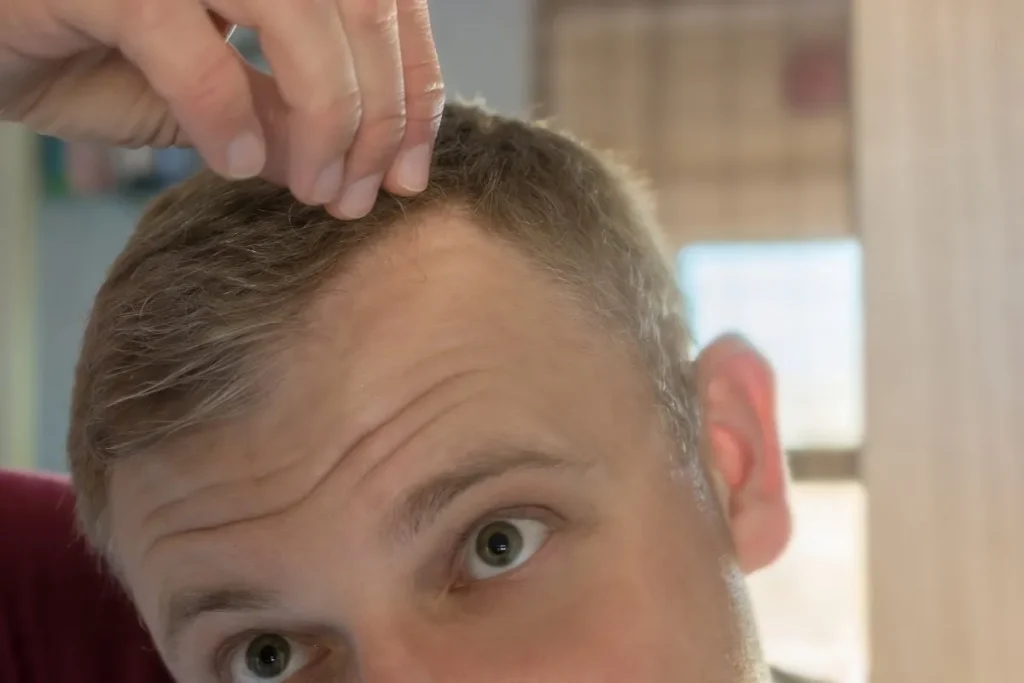
The question how do i get my hairline to grow back is on the minds of many who notice a receding hairline or thinning edges. Whether the change is recent or has progressed over years, understanding the underlying causes and the most effective strategies can make a decisive difference. This article walks you through the science of hairline loss, lifestyle adjustments, natural remedies, and when to consider professional medical solutions.
According to recent dermatology surveys, up to 40% of men and 30% of women experience noticeable hairline recession before the age of 35. Early intervention not only improves the visual outcome but also boosts self‑esteem. Throughout the following sections, you will learn actionable steps that address the root of the problem, support healthy hair growth, and guide you toward sustainable results.
We will explore the role of nutrition, stress management, topical treatments, and the advanced transplant techniques offered by Gold City Hair. By the end, you’ll have a clear roadmap to answer the recurring query, “how do i get my hairline to grow back,” with confidence and knowledge.
Understanding Hairline Loss
Before diving into solutions, it’s essential to recognize why a hairline recedes in the first place. Hairline loss can be triggered by genetic predisposition, hormonal fluctuations, nutritional deficiencies, and environmental stressors. Identifying the primary driver helps tailor an effective plan.
Common Causes
- Genetic factors (male or female pattern baldness)
- Hormonal changes, especially dihydrotestosterone (DHT) levels
- Chronic stress and poor sleep quality
- Deficiencies in iron, zinc, and vitamin D
- Harsh hair styling practices and chemical treatments
Stages of Hairline Recession
| Stage | Description | Typical Signs |
|---|---|---|
| Stage 1 | Early thinning at the temples | Minor widening of the frontal hairline |
| Stage 2 | Progressive recession along the forehead | Noticeable “M” shape formation |
| Stage 3 | Significant loss extending to the crown | Visible bald patches or extensive thinning |
Understanding these stages clarifies whether a non‑invasive approach may be sufficient or if surgical intervention becomes necessary. If you’re asking how do i get my hairline to grow back, the answer begins with a precise diagnosis.
Lifestyle Changes That Promote Hair Growth
Everyday habits have a profound impact on hair growth. Adjusting diet, sleep, and stress management can create an internal environment where follicles thrive, answering the core question of how to stimulate natural regrowth.
Nutrition Essentials
- Protein: Essential for keratin production; include lean meats, legumes, and dairy.
- Iron: Prevents anemia-related hair loss; sources include spinach, lentils, and red meat.
- Omega‑3 Fatty Acids: Reduce inflammation; found in salmon, flaxseeds, and walnuts.
- Biotin (Vitamin B7): Supports keratin infrastructure; present in eggs and nuts.
- Vitamin D: Crucial for follicle cycling; obtain from sunlight and fortified foods.
Daily Habits for a Healthier Scalp
| Habit | Benefit | Implementation Tip |
|---|---|---|
| Regular Exercise | Improves blood circulation to the scalp | 30 minutes of moderate cardio, 5 days a week |
| Adequate Sleep (7‑9 hrs) | Balances hormone levels, especially cortisol | Establish a consistent bedtime routine |
| Stress Reduction Techniques | Lowers DHT spikes linked to hair loss | Practice meditation or deep‑breathing for 10 minutes daily |
| Scalp Massage | Stimulates follicle activity | Use fingertips for 5 minutes each morning |
Adopting these lifestyle adjustments can dramatically improve the odds of seeing new hair growth along the frontal line. While they may not replace medical treatments for advanced cases, they form the foundation of any comprehensive plan to answer how do i get my hairline to grow back.
Effective Topical and Natural Treatments
When lifestyle changes are in place, many turn to topical solutions to accelerate the process. Understanding the active ingredients and how they work helps you choose the right product without falling for hype.
Key Ingredients in Proven Products
- Minoxidil: FDA‑approved vasodilator that prolongs the growth phase.
- Finasteride (topical): Reduces DHT locally on the scalp.
- Caffeine: Enhances follicle penetration and stimulates growth.
- Rosemary Extract: Natural anti‑inflammatory with documented hair‑strengthening effects.
- Peptide Complexes: Signal molecules that promote cell renewal.
Comparative Table of Popular Options
| Product Type | Active Ingredient | Typical Use | Evidence Level |
|---|---|---|---|
| Minoxidil 5% Foam | Minoxidil | Twice daily, apply to dry scalp | Clinical trials, high |
| Natural Rosemary Serum | Rosemary Extract | Once daily, massage in | Small studies, moderate |
| Caffeine Shampoo | Caffeine | Every wash, leave on 2‑3 min | In‑vitro, low‑moderate |
| Peptide Growth Lotion | Peptide Complex | Nightly, after cleansing | Emerging research, moderate |
Combining these treatments with the lifestyle foundation can significantly improve the speed at which you see new strands appearing along the hairline. Remember, consistency is crucial; most products require 3‑6 months of regular use before visible results.
When Medical Options Are Needed
If you’ve tried lifestyle tweaks and topical solutions without meaningful improvement, it may be time to explore medical interventions. Modern procedures address the root cause of follicular miniaturization and can permanently restore the hairline.
Hair Transplant Techniques
- Follicular Unit Extraction (FUE): Individual follicles are harvested and implanted, leaving minimal scarring.
- Direct Hair Implantation (DHI): Uses a specialized pen for precise placement, reducing handling time.
- Scalp Micropigmentation: Cosmetic tattooing that mimics the appearance of hair follicles for a denser look.
Procedure Comparison
| Technique | Recovery Time | Typical Graft Yield | Ideal Candidates |
|---|---|---|---|
| FUE | 7‑10 days | 1,500‑3,500 grafts per session | Patients with moderate to severe recession |
| DHI | 5‑8 days | 1,200‑3,000 grafts per session | Those seeking higher precision and density |
| Micropigmentation | 2‑3 days | Not applicable (cosmetic) | Individuals preferring non‑surgical appearance enhancement |
Gold City Hair, based in Turkey, specializes in both FUE and DHI, offering personalized treatment plans that consider your unique hairline pattern and aesthetic goals. Consulting with a qualified surgeon can clarify whether a transplant is the most effective answer to how do i get my hairline to grow back for your specific case.
Long‑Term Maintenance and Monitoring
Achieving regrowth is only the first milestone; maintaining the results requires ongoing care. Regular monitoring helps detect early signs of relapse and adjust the regimen accordingly.
Follow‑Up Schedule
| Time Post‑Treatment | Recommended Action | Key Indicators |
|---|---|---|
| 1 Month | Scalp assessment, continue topical regimen | Reduced shedding, early new growth |
| 3 Months | Evaluate density, consider supplement adjustment | Visible thickening, reduced thinning zones |
| 6 Months | Full review, discuss any additional procedures | Consistent growth, stable hairline |
| 12+ Months | Annual check‑up, maintain healthy lifestyle | Long‑term stability, no new recession |
Maintenance Practices
- Continue a balanced diet rich in hair‑supportive nutrients.
- Use a gentle, sulfate‑free shampoo to avoid scalp irritation.
- Apply a low‑dose minoxidil or natural serum as a maintenance booster.
- Schedule yearly scalp examinations with a hair‑restoration specialist.
By integrating these practices, you reinforce the gains achieved through earlier interventions, ensuring that the answer to how do i get my hairline to grow back remains a lasting one.
Why Choose Gold City Hair
Gold City Hair has been delivering personalized hair restoration solutions since 2017. Our clinic combines cutting‑edge FUE and DHI techniques with a transparent, patient‑centered approach. Every treatment plan is tailored to your unique hairline pattern, ensuring natural‑looking results and lasting confidence.
Located in Turkey, we offer competitive pricing without compromising on quality. Our experienced team guides you through each step—from initial assessment to post‑procedure care—so you feel informed and supported throughout the journey.
Ready to take the next step toward a fuller hairline? Contact Gold City Hair today to schedule a personalized consultation and discover the most effective path to regrow your hairline naturally.
FAQ
How can I naturally regrow my hairline?
Natural regrowth relies on proper nutrition, stress management, scalp massage, and consistent use of proven topical agents like minoxidil or rosemary extract.
What nutrients are essential for hairline regrowth?
Protein, iron, omega‑3 fatty acids, biotin (vitamin B7), and vitamin D are the core nutrients that support healthy hair follicles.
Which topical treatments are most effective for hairline loss?
Minoxidil, topical finasteride, caffeine‑based shampoos, rosemary extract, and peptide complexes have the strongest evidence for hairline regrowth.
When should I consider a hair transplant for my hairline?
Consider a transplant when lifestyle changes and topicals have not yielded noticeable improvement after 6‑12 months and the recession is moderate to severe.
How does stress affect hairline recession?
Stress elevates cortisol and can increase DHT production, accelerating follicle miniaturization and leading to faster hairline recession.
What is the typical recovery time after a FUE hair transplant?
Recovery from a Follicular Unit Extraction (FUE) procedure usually takes 7‑10 days for most daily activities and 2‑3 weeks for full scalp healing.





