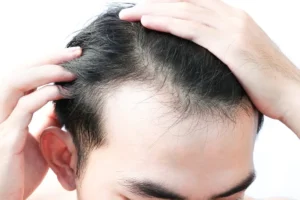
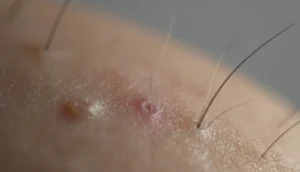
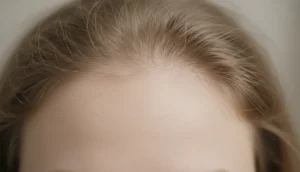
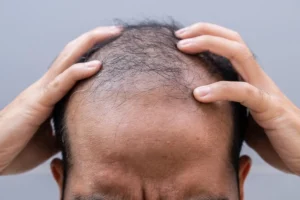
Knowing how to tell if hair follicles are dead is essential for anyone concerned about thinning hair or sudden hair loss. Hair follicles are the tiny, dynamic structures that produce each strand, and when they stop functioning, the result is permanent hair loss in that area. Understanding the signs of follicle death helps you act quickly, whether through lifestyle changes or professional treatment.
Every year, millions of people experience unexplained shedding, and many assume the cause is simple stress or genetics. In reality, a dormant or dead follicle can masquerade as ordinary shedding, leading to delayed intervention. Early detection can make the difference between a reversible condition and the need for a hair transplant.
In this article we will explore the anatomy of a hair follicle, the visual and tactile clues that indicate a follicle is no longer alive, common reasons why follicles die, and the steps you can take to evaluate and treat the problem. By the end, you’ll have a clear roadmap for assessing follicle health and knowing when to seek expert care.
Understanding Hair Follicle Anatomy and the Growth Cycle
Before you can determine whether a follicle is dead, it helps to grasp the basic structure and phases of hair growth. A healthy follicle consists of several key components:
- Hair bulb – the base where cells divide rapidly.
- Dermal papilla – a cluster of blood vessels that supplies nutrients.
- Outer root sheath – protects the growing strand.
- Inner root sheath – guides the hair shaft upward.
The hair growth cycle includes three main stages:
- Anagen (growth phase) – lasts 2‑7 years, where the follicle is fully active.
- Catagen (transition phase) – a brief 2‑3 week period of regression.
- Telogen (resting phase) – about 3 months, after which the hair is shed.
When a follicle is alive, it cycles predictably through these stages. A dead follicle, however, becomes stuck in telogen or fails to re-enter anagen, leading to permanent loss of that strand.
| Feature | Living Follicle | Dead Follicle |
|---|---|---|
| Blood Supply | Rich vascular network | Reduced or absent flow |
| Hair Shaft | Continuous growth | No new shaft produced |
| Scalp Texture | Normal elasticity | Flattened or scarred area |
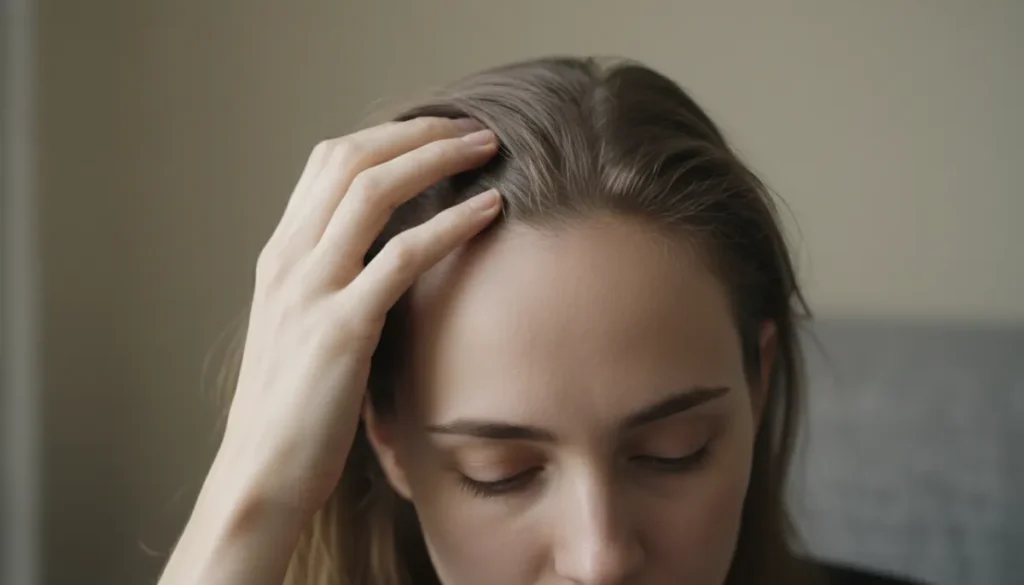
Signs That Indicate a Hair Follicle May Be Dead
Spotting a dead follicle early can be challenging, but several observable signs often point to the problem. Pay attention to the following indicators:
- Persistent bald spots that do not fill in after several months.
- Scalp areas that feel smooth or slightly indented compared to surrounding skin.
- Hair that does not regrow after intentional pulling (e.g., gentle tug test).
- Loss of pigment in the affected region, resulting in a lighter patch.
Another practical method is the “hair pull test.” Gently grasp a small bundle of hairs and pull. If more than 10% of the hairs come out and the roots appear empty or broken, the follicles may be compromised. However, a single pull test is not definitive; repeated observations over weeks provide a clearer picture.
Additionally, a dead follicle often lacks the usual hair root structure. When a hair is examined under a magnifying lens, a live follicle shows a well-defined bulb and papilla, whereas a dead one appears shrunken or absent.
Common Causes of Follicle Death and How to Prevent Them
Understanding why follicles die helps you take preventive steps. The most frequent culprits include:
| Cause | How It Affects Follicles | Prevention Strategy |
|---|---|---|
| Scarring Alopecia | Inflammation replaces follicle tissue with scar. | Early anti‑inflammatory treatment, avoid harsh chemicals. |
| Trauma or Surgery | Physical damage destroys the follicle structure. | Protect scalp during procedures, use gentle hair styling. |
| Chronic Poor Blood Flow | Insufficient nutrients starve the dermal papilla. | Regular scalp massage, balanced diet rich in iron and vitamins. |
| Genetic Conditions | Inherited patterns accelerate follicle miniaturization. | Early medical consultation, possible pharmacologic intervention. |
Lifestyle factors such as smoking, excessive alcohol, and high stress can also impair blood circulation to the scalp, hastening follicle demise. Incorporating a balanced diet with omega‑3 fatty acids, zinc, and biotin supports the health of the hair papilla and encourages robust growth.
When you notice early signs of follicle damage, addressing the underlying cause promptly can sometimes revive dormant follicles before they become irreversibly dead.
Assessing Follicle Viability at Home: Simple Tests
While a dermatologist provides definitive diagnosis, several simple home assessments can give you a preliminary idea of follicle health. These tests are safe, non‑invasive, and can guide you toward professional evaluation if needed.
- Visual Inspection – Use a handheld mirror to examine the scalp for smooth patches, discoloration, or persistent bald spots.
- Gentle Pull Test – As described earlier, grasp a small bundle of hairs and gently pull. Record the number of hairs that come out and note the condition of the roots.
- Scalp Pinch Test – Lightly pinch the scalp; a live area feels slightly pliable, while a dead zone feels firmer or scar‑like.
- Hair Density Count – Count the number of hairs in a 1 cm² area using a ruler. A significant drop compared to adjacent regions suggests follicle loss.
Documenting these observations with photos taken at regular intervals (e.g., every two weeks) creates a visual timeline that can be shared with a hair restoration specialist. This information helps clinicians determine whether the follicles are truly dead or merely dormant.
Remember, these home methods are screening tools, not substitutes for professional diagnosis. If you suspect follicle death, schedule a consultation with a qualified clinic.
When to Seek Professional Evaluation and Treatment Options
If home assessments suggest that follicles may be dead, it’s time to consult a hair restoration professional. A qualified clinic can perform trichoscopy, biopsy, and blood tests to confirm the diagnosis and recommend appropriate treatment.
Potential medical interventions include:
- Platelet‑Rich Plasma (PRP) – Stimulates dormant follicles with growth factors.
- Low‑Level Laser Therapy (LLLT) – Enhances blood flow to the scalp.
- Medication – Finasteride or minoxidil can halt progression and reactivate some follicles.
- Hair Transplant – For permanently dead follicles, techniques such as Follicular Unit Extraction (FUE) or Direct Hair Implantation (DHI) relocate healthy follicles from donor areas.
Gold City Hair specializes in FUE and DHI procedures, offering personalized treatment plans that consider the extent of follicle loss and the patient’s aesthetic goals. A thorough evaluation ensures you receive the most effective solution, whether it’s revitalizing existing follicles or restoring density through transplantation.
Why Choose Gold City Hair
Gold City Hair has been delivering safe, effective hair restoration in Turkey since 2017. Our team combines extensive expertise in FUE, DHI, and eyebrow/beard transplants with a patient‑first approach that prioritizes transparent communication and personalized care. We understand that each individual’s hair loss journey is unique, and we tailor every treatment plan to achieve natural, lasting results.
Choosing Gold City Hair means benefiting from advanced technology, a proven track record of successful outcomes, and a supportive environment that helps you regain confidence through restored hair.
Ready to find out if your hair follicles are still alive? Contact Gold City Hair today for a comprehensive scalp analysis and discover the best solution for your hair restoration needs.
Schedule your free consultation now and take the first step toward a fuller, healthier head of hair.
FAQ
How can I tell if a hair follicle is dead?
Look for persistent bald spots, smooth or indented scalp areas, lack of regrowth after a gentle pull test, and loss of pigment.
What is the hair pull test and how reliable is it?
The hair pull test involves gently pulling a small bundle of hairs; shedding more than 10% suggests follicle compromise, but it should be repeated over weeks for accuracy.
Can lifestyle changes revive a dead hair follicle?
If the follicle is only dormant, improving blood flow and nutrition may reactivate it, but truly dead follicles usually require medical intervention.
What medical treatments are available for dead hair follicles?
Options include platelet‑rich plasma (PRP), low‑level laser therapy (LLLT), medications like finasteride or minoxidil, and hair transplant surgery (FUE or DHI).
How often should I perform home scalp assessments?
Document your scalp every two weeks using photos and repeat simple tests like visual inspection and pull test to track changes.