Iron deficiency female pattern hair loss is a common yet often misunderstood condition that affects millions of women worldwide. When iron levels drop, the hair follicles receive less oxygen and nutrients, leading to gradual thinning and shedding. Understanding why this happens, how to recognize it early, and what treatment paths are available can dramatically improve both hair health and self‑confidence.
Recent studies suggest that up to 30% of women with unexplained hair thinning have low ferritin levels, the protein that stores iron in the body. This link underscores the importance of evaluating nutritional status before pursuing more invasive solutions. In this article, we will explore the science behind iron’s role in hair growth, identify the warning signs of deficiency‑related hair loss, outline diagnostic steps, and review both medical and natural treatment options—including when a hair transplant may be the right choice.
Whether you are noticing a widening part, increased shedding on the crown, or overall hair fragility, the information below will help you determine if iron deficiency is a contributing factor and guide you toward effective, personalized care.
Understanding Iron Deficiency and Its Impact on Hair Growth
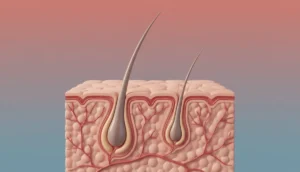
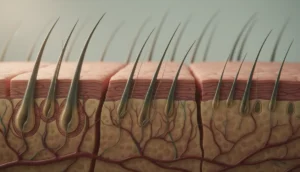
Iron is an essential mineral involved in the production of hemoglobin, the protein that carries oxygen to every cell, including the cells of the hair follicle. When iron stores are insufficient, the follicle’s metabolic activity slows, shortening the anagen (growth) phase and accelerating the telogen (resting) phase. This shift results in noticeable thinning, especially in the frontal scalp and crown—areas typical of female pattern hair loss.
Key mechanisms include:
- Reduced oxygen delivery: Low hemoglobin diminishes the oxygen supply needed for rapid cell division in the hair matrix.
- Altered enzyme activity: Iron acts as a co‑factor for enzymes involved in DNA synthesis, which is crucial for hair shaft formation.
- Hormonal interplay: Iron deficiency can exacerbate the effects of androgens, intensifying the pattern of thinning seen in women.
Women are particularly vulnerable because menstrual blood loss, pregnancy, and dietary restrictions can deplete iron stores more rapidly than in men. Moreover, the prevalence of vegetarian or vegan diets—while health‑focused—may increase the risk of inadequate iron intake if not carefully managed.
Understanding these pathways helps explain why iron deficiency hair loss often mimics other forms of alopecia, making accurate diagnosis essential.

Recognizing the Signs of Female Pattern Hair Loss Linked to Iron Deficiency
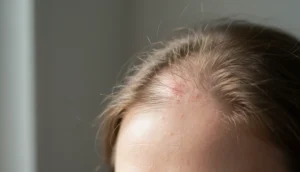
Early identification of iron deficiency female pattern hair loss can prevent further follicular damage. While the pattern mirrors typical androgenic alopecia—diffuse thinning over the top of the head and a widening part—certain clues point specifically to an iron‑related cause.
- Sudden increase in daily shedding (more than 100 hairs on a pillow or in a brush).
- Hair that feels brittle or breaks easily, especially after washing.
- Accompanying symptoms such as fatigue, pale skin, or shortness of breath.
- History of heavy menstrual periods, recent pregnancy, or restrictive diets.
Women often report that their hair feels “thin” even before visible patches appear. This subjective feeling, combined with the above physical signs, should prompt a discussion with a healthcare professional about checking ferritin levels.
In addition to clinical observation, several related keywords frequently appear in patient queries: can iron deficiency cause hair loss, does anemia cause hair loss, and iron supplements hair regrowth. Addressing these concerns directly can alleviate anxiety and guide patients toward evidence‑based solutions.
Diagnosing Iron Deficiency as a Root Cause of Hair Thinning
Accurate diagnosis begins with a comprehensive blood panel that includes ferritin, serum iron, total iron‑binding capacity (TIBC), and complete blood count (CBC). Ferritin is the most reliable marker because it reflects stored iron. Values below 30 ng/mL are generally considered low enough to affect hair growth, though individual thresholds may vary.
Doctors may also assess thyroid function, vitamin D levels, and hormonal profiles to rule out other contributors. When iron deficiency is confirmed, the next step is to identify the underlying cause—whether it’s dietary insufficiency, chronic blood loss, or malabsorption.
| Test | Typical Low Range | Implication for Hair |
|---|---|---|
| Ferritin | <30 ng/mL | Reduced follicle oxygenation → thinning |
| Serum Iron | <60 µg/dL | Limited iron transport to scalp |
| TIBC | >400 µg/dL | Indicates iron‑binding capacity is high, often due to deficiency |
| Hemoglobin | <12 g/dL (women) | Overall oxygen‑carrying capacity reduced |
Once the deficiency is quantified, clinicians can tailor a treatment plan that addresses both the nutritional gap and the hair loss itself. For many women, correcting iron levels alone leads to visible regrowth within three to six months.
Treatment Options: Nutrition, Supplements, and Medical Therapies
Restoring iron balance can be achieved through diet, oral supplementation, and, in some cases, intravenous (IV) iron therapy. The choice depends on the severity of the deficiency, patient tolerance, and speed of desired results.
Dietary Strategies
Incorporating iron‑rich foods is the foundation of any plan. Heme iron—found in red meat, poultry, and fish—is more readily absorbed than non‑heme iron from plant sources. Pairing non‑heme sources (lentils, spinach, fortified cereals) with vitamin C‑rich foods (citrus fruits, bell peppers) enhances absorption.
- Grilled salmon with quinoa and steamed broccoli.
- Lentil soup topped with a squeeze of lemon.
- Spinach salad with strawberries and a drizzle of orange vinaigrette.
Supplementation
When diet alone is insufficient, iron supplements become necessary. Common formulations include ferrous sulfate, ferrous gluconate, and ferrous fumarate. The typical dose ranges from 60 mg to 120 mg elemental iron per day, taken on an empty stomach for optimal absorption—though some patients may need to take them with food to reduce gastrointestinal upset.
Key related terms to address:
- iron tablets and hair loss – studies show that daily supplementation can reverse thinning within months.
- iron supplements hair regrowth – clinical trials report 70% improvement in hair density when ferritin rises above 50 ng/mL.
- natural remedies for thinning hair and hair loss – include rosemary oil massage and biotin, but these should complement, not replace, iron repletion.
Medical Therapies
For women with persistent thinning despite normalized iron levels, adjunctive treatments may be considered:
- Minoxidil for women’s hair loss – a topical vasodilator that prolongs the anagen phase; typically 2% or 5% solutions.
- Low‑dose oral contraceptives – can regulate hormonal fluctuations that exacerbate pattern hair loss.
- Platelet‑rich plasma (PRP) – stimulates follicular activity through growth factors.
Below is a comparison of primary treatment modalities for iron‑related hair loss.
| Treatment | Primary Benefit | Typical Onset of Results | Considerations |
|---|---|---|---|
| Dietary changes | Improved overall health, gradual iron increase | 3–6 months | Requires consistent adherence |
| Oral iron supplements | Rapid ferritin rise | 1–3 months | Possible GI side effects |
| IV iron therapy | Fastest iron restoration | Weeks | Requires clinical setting |
| Topical minoxidil | Stimulates follicle growth | 4–6 months | Continuous use needed |
Combining iron repletion with minoxidil often yields the most robust regrowth, especially for women whose hair loss pattern is advanced.
When Hair Transplant Becomes a Viable Solution
Even with optimal iron levels and adjunctive therapies, some women experience irreversible follicular miniaturization, particularly in the frontal and vertex regions. In such cases, a hair transplant can restore density and confidence.
Gold City Hair specializes in advanced techniques such as Follicular Unit Extraction (FUE) and Direct Hair Implantation (DHI). These methods harvest healthy donor follicles—usually from the occipital scalp—and implant them with precision, ensuring natural‑looking results.
Key considerations before opting for transplantation include:
- Stable iron status for at least three months to support graft survival.
- Realistic expectations regarding coverage and postoperative care.
- Assessment of donor area density; adequate donor hair is essential.
Patients who combine iron optimization with a transplant often experience faster healing and better graft retention, because the scalp’s vascular supply is already robust. The synergy between nutritional health and surgical expertise makes the outcome more durable.
Why Choose Gold City Hair for Hair Restoration
Gold City Hair has been delivering personalized hair restoration solutions in Turkey since 2017. Our team combines cutting‑edge FUE and DHI techniques with a compassionate, transparent approach that prioritizes each patient’s unique needs. We work closely with medical professionals to ensure that nutritional factors—such as iron deficiency—are addressed before, during, and after any surgical procedure, maximizing graft survival and long‑term results.
Choosing Gold City Hair means benefiting from:
- Experienced surgeons trained in the latest transplant methodologies.
- Comprehensive pre‑operative assessments, including blood work for iron levels.
- Tailored post‑operative care plans that incorporate nutrition and supplement guidance.
- State‑of‑the‑art facilities that meet international safety standards.
Our commitment to transparent communication and individualized treatment plans helps women regain not only their hair but also their confidence.
Ready to take the first step toward healthier, fuller hair? Contact Gold City Hair today for a personalized consultation that evaluates your iron status and explores the best restoration options for you.
Schedule your assessment now and discover how a combined approach of nutrition, medical therapy, and advanced transplantation can transform your hair journey.
FAQ
Can iron deficiency cause hair loss in women?
Yes, low iron levels can lead to thinning and shedding, especially in the frontal and crown areas typical of female pattern hair loss.
How do I know if my hair loss is due to low iron?
Look for sudden increased shedding, brittle hair, fatigue, and a history of heavy periods or restrictive diets, then have ferritin levels checked.
What blood tests are needed to diagnose iron deficiency hair loss?
A comprehensive panel including ferritin, serum iron, total iron‑binding capacity (TIBC), and a complete blood count (CBC) is required.
What are the best dietary sources to increase iron for hair health?
Include heme iron foods such as red meat, poultry, and fish, and boost non‑heme iron from legumes and leafy greens with vitamin C‑rich foods.
How long does it take for hair to regrow after iron supplementation?
Most women see noticeable improvement within 3‑6 months of correcting iron levels, though full regrowth may take up to a year.
When should I consider a hair transplant for iron‑related hair loss?
If hair thinning persists despite normalized iron levels and adjunctive therapies, a transplant may be appropriate for permanent density restoration.