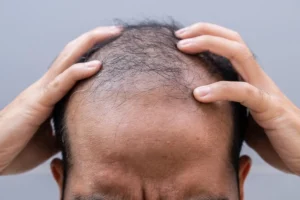
Many patients ask, is hair grafting permanent, because they want a lifelong solution to thinning or balding areas. Hair grafting, a modern form of hair restoration, involves moving healthy follicles from a donor zone to a recipient zone, allowing the transplanted hairs to grow naturally. This article explains how the technique works, what influences its durability, and what you can expect after the procedure.
Hair loss affects up to 40 % of men and a growing number of women worldwide, making reliable, lasting treatments a priority. While traditional methods like hair plugs once dominated the market, advances such as Follicular Unit Extraction (FUE) and Direct Hair Implantation (DHI) have dramatically improved graft survival rates. Understanding the science behind graft permanence helps you make an informed decision.
We will explore the biological factors that determine graft longevity, compare grafting with older techniques, and outline post‑procedure care that maximizes permanent results. By the end of this guide, you’ll know exactly what contributes to lasting hair growth and why a reputable clinic matters.
How Hair Grafting Works and What Makes It Permanent
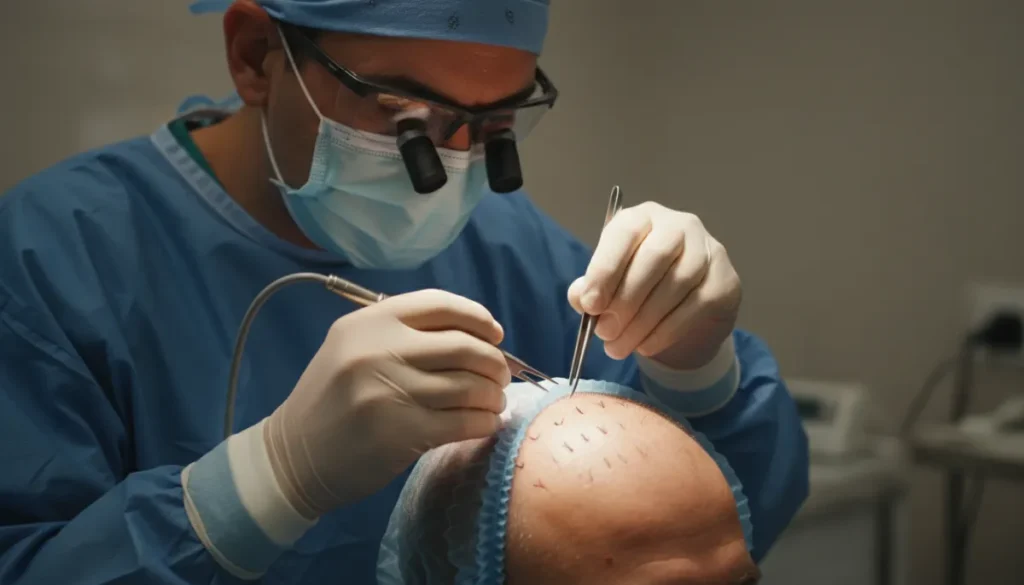
Hair grafting begins with the careful extraction of individual follicles, typically using the FUE or DHI method. Each graft contains 1–4 hairs that are transplanted into tiny incisions made in the balding area. The grafts survive by establishing a new blood supply within days, after which they enter the normal hair growth cycle.
Several biological processes underpin the permanence of grafted hair:
- Follicular resilience: Donor hairs from the back of the scalp are genetically resistant to DHT, the hormone responsible for pattern baldness.
- Revascularization: Within 48–72 hours, new capillaries form around the graft, delivering nutrients essential for growth.
- Root sheath preservation: Modern extraction techniques minimize damage to the sheath, ensuring the follicle retains its growth potential.
Because the transplanted follicles retain their original characteristics, they continue to grow for a lifetime, assuming proper care. This is why the answer to is hair grafting permanent is generally “yes,” though longevity can vary based on individual factors.
Factors Influencing the Longevity of Grafted Hair
While grafts are designed to be permanent, several variables can affect their survival and long‑term appearance. Understanding these factors helps set realistic expectations.
Patient‑Specific Factors
- Age: Younger patients may experience continued hair loss in non‑grafted areas, potentially requiring future procedures.
- Genetics: The intrinsic resistance of donor hair to DHT is crucial; individuals with aggressive hair loss may need more extensive coverage.
- Health status: Conditions such as thyroid disorders or anemia can impair healing and graft uptake.
Technical Considerations
| Technique | Typical Graft Survival Rate | Key Advantage |
|---|---|---|
| FUE | 90‑95 % | Minimal scarring, precise extraction |
| DHI | 92‑96 % | Direct implantation reduces handling time |
| Traditional Hair Plugs | 70‑80 % | Less natural density, higher failure risk |
Choosing a clinic that adheres to strict protocols—such as maintaining grafts in a chilled solution and minimizing out‑of‑body time—optimizes survival rates. Skilled technicians also ensure that the angle and direction of each graft mimic natural hair growth, which contributes to a seamless, lasting result.
Comparison: Hair Grafting vs. Traditional Hair Plugs and Transplants
When evaluating whether is hair grafting permanent, it helps to compare it side‑by‑side with older methods such as hair plugs and conventional strip transplants.
- Hair Grafting (FUE/DHI): Individual follicles are transplanted, yielding natural density and virtually scar‑free results.
- Hair Plugs: Larger grafts (often 4–5 mm) create a “pluggy” appearance and have lower survival rates due to greater trauma.
- Strip (FUT) Transplant: A linear strip of scalp is removed, providing a high number of grafts in one session but leaving a linear scar.
The table below summarizes key differences:
| Aspect | Hair Grafting (FUE/DHI) | Hair Plugs | Strip Transplant (FUT) |
|---|---|---|---|
| Graft Size | 1–4 hairs | 4–5 mm clusters | 1–4 hairs (from strip) |
| Scarring | Microscopic, virtually invisible | Visible plugs | Linear scar |
| Recovery Time | 5‑7 days | 7‑10 days | 10‑14 days |
| Long‑Term Naturalness | High | Low | High |
| Typical Survival Rate | 90‑96 % | 70‑80 % | 85‑90 % |
Because hair grafting delivers individual follicles that integrate seamlessly, it offers the most reliable path to permanent, natural‑looking hair restoration.
Post‑Procedure Care to Ensure Permanent Results
Even the most expertly performed grafts require proper aftercare to reach their full potential. Patients who follow a structured regimen often experience higher graft survival, reinforcing the answer to is hair grafting permanent.
Immediate Post‑Op Guidelines (First 2 Weeks)
- Gentle washing: Use a mild shampoo and avoid rubbing the graft sites.
- Positioning: Sleep with the head elevated to reduce swelling.
- Medication: Follow prescribed antibiotics and anti‑inflammatory drugs to prevent infection.
Long‑Term Maintenance (Months 3‑12)
- Avoid direct sun exposure; wear a hat or use sunscreen with SPF 30+.
- Limit harsh chemical treatments or excessive heat styling.
- Maintain a balanced diet rich in protein, iron, and biotin to support follicle health.
- Consider low‑level laser therapy (LLLT) or platelet‑rich plasma (PRP) sessions to boost circulation.
Regular follow‑up appointments with your surgeon allow early detection of any issues, such as mini‑graft loss or unexpected shedding, which can be addressed promptly.
Common Myths About Hair Graft Permanence
Misconceptions can cloud the decision‑making process. Below we debunk the most frequent myths related to graft durability.
- Myth 1: “Hair grafts fall out after a year.” – In reality, the transplanted follicles become permanent unless affected by severe trauma or illness.
- Myth 2: “All grafts survive at 100 %.” – No procedure guarantees 100 % survival; a 90‑96 % rate is typical for modern FUE/DHI techniques.
- Myth 3: “You need a second surgery for permanent results.” – Most patients achieve satisfactory, lasting density after a single session; touch‑ups are optional for refinement.
Understanding these realities reinforces confidence that, when performed correctly, hair grafting offers a permanent solution to hair loss.
Why Choose Gold City Hair
Gold City Hair has been delivering reliable hair restoration in Turkey since 2017. Our clinic specializes in FUE and DHI grafting, providing individualized treatment plans that prioritize graft survival and natural aesthetics. With a transparent communication approach and a team of experienced surgeons, we ensure each patient receives the highest standard of care, leading to lasting, confidence‑boosting results.
Ready to discover whether hair grafting can give you permanent, natural‑looking hair? Contact Gold City Hair today to schedule a personalized consultation and take the first step toward lasting confidence.
FAQ
Is hair grafting permanent?
Yes, transplanted follicles retain their original characteristics and can grow for a lifetime with proper care.
What factors affect the longevity of grafted hair?
Age, genetics, health conditions, and the specific transplantation technique all influence graft survival.
How does FUE differ from DHI in terms of graft survival?
Both have high survival rates, but DHI slightly reduces handling time, potentially raising graft viability.
What post‑procedure care is recommended for lasting results?
Gentle washing, head elevation, medication, sun protection, balanced diet, and optional PRP or laser therapy.
Can hair grafts fall out after a year?
Transplanted follicles themselves do not fall out; they become permanent unless damaged by trauma or illness.
Do I need a second surgery for permanent results?
Most patients achieve satisfactory, lasting density after one session; touch‑ups are optional for refinement.
How does hair grafting compare to traditional hair plugs?
Grafting uses individual follicles for natural density and minimal scarring, while plugs use larger grafts that look unnatural and have lower survival.