When you search “is PRP safe,” you’re looking for reassurance about a popular regenerative therapy that promises hair growth, skin rejuvenation, and faster healing. Platelet‑rich plasma (PRP) has surged in popularity worldwide, with clinics offering everything from prp injections for baldness therapy to the trendy “vampire facial.” Yet, safety remains a top concern for anyone considering this procedure.
In this article we break down the science behind PRP, explore its most common applications, examine potential risks, and outline what you can expect during a treatment session. By the end, you’ll have a clear, evidence‑based answer to the question “is PRP safe?” and know how to make an informed decision for your hair or skin goals.
Recent studies show that over 70 % of patients report minimal side effects and noticeable improvement after a series of prp hair treatments. However, individual factors such as medical history, medication use, and the expertise of the practitioner play a crucial role in outcomes.
Let’s dive into the details, starting with how PRP actually works.
How PRP Works: The Science Behind Platelet‑Rich Plasma
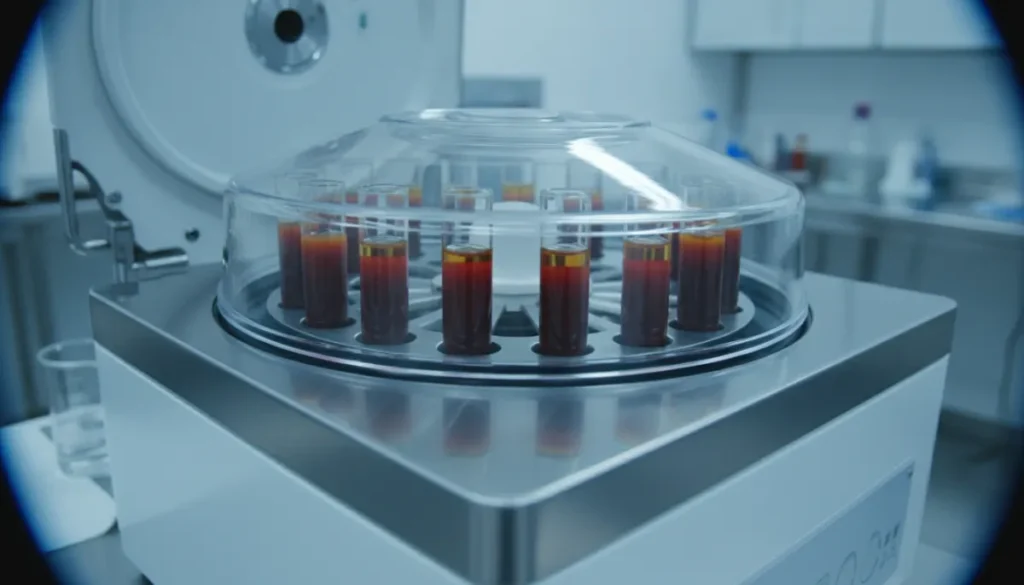
Platelet‑rich plasma is created by drawing a small amount of your own blood, then centrifuging it to concentrate the platelets. These platelets release growth factors that stimulate cell regeneration, collagen production, and angiogenesis—the formation of new blood vessels. The result is a biologically active serum that can be injected into the scalp, face, or other target areas.
Key steps in the process include:
- Blood collection (typically 10‑20 ml).
- Centrifugation to separate red blood cells from plasma.
- Extraction of the platelet‑rich layer.
- Activation (often with calcium chloride) to release growth factors.
- Injection or microneedling of the activated PRP into the treatment zone.
Because PRP uses your own blood components, the risk of allergic reaction or disease transmission is virtually eliminated. This autologous nature is a primary reason why many ask “is PRP safe?” and receive reassuring answers from clinicians.
Below is a quick comparison of PRP versus traditional synthetic fillers:
| Aspect | PRP (Autologous) | Synthetic Fillers |
|---|---|---|
| Source | Patient’s own blood | Lab‑manufactured substances |
| Allergy Risk | Negligible | Potential |
| Longevity | Gradual, natural results (6‑12 months) | Immediate, may last 12‑18 months |
| Side Effects | Minor bruising, swelling | Swelling, nodules, rare vascular events |
Common Applications: Hair Loss, Skin Rejuvenation, and More
While the question “is PRP safe” often arises in the context of hair restoration, the treatment’s versatility extends far beyond the scalp. Below are the three most popular indications:
- Hair Loss: PRP injections stimulate dormant follicles, increasing thickness and density. It’s frequently combined with prp hair restoration protocols such as FUE or DHI for synergistic effects.
- Facial Rejuvenation: The “vampire facial” or prp facial uses microneedling to deliver PRP into the dermis, promoting collagen synthesis and a youthful glow.
- Joint and Tendon Healing: Emerging research shows benefits for chronic tendinopathies and osteoarthritis, though these uses are still considered off‑label.
Each application follows the same safety principles: using sterile equipment, proper patient screening, and adherence to post‑procedure care. For hair loss, a typical regimen involves three sessions spaced 4‑6 weeks apart, followed by maintenance every 6‑12 months.
Below is a snapshot of typical session frequencies for various PRP treatments:
| Treatment | Initial Sessions | Maintenance |
|---|---|---|
| Hair Loss (Scalp PRP) | 3 sessions, 4‑6 weeks apart | Every 6‑12 months |
| Facial Rejuvenation | 1‑2 sessions, 1 month apart | Annually |
| Joint/Tendon Therapy | 3‑4 sessions, 2‑3 weeks apart | As needed, based on healing progress |
Safety Profile: Risks, Side Effects, and Who Should Avoid PRP
Addressing “is PRP safe” requires an honest look at potential adverse events. Overall, PRP is regarded as a low‑risk procedure, but no medical intervention is completely free of side effects.
Common, mild reactions include:
- Bruising at the injection site (typically resolves within 3‑5 days).
- Transient swelling or redness.
- Minor discomfort during the injection.
Rare complications may involve infection, nerve injury, or vascular occlusion—especially when PRP is used in facial areas with dense vascular networks. Proper technique and experienced practitioners dramatically reduce these risks.
Individuals who should exercise caution or avoid PRP altogether include:
- Patients with active infections or skin conditions at the treatment site.
- Those on anticoagulant therapy (e.g., warfarin, aspirin) unless cleared by a physician.
- Pregnant or breastfeeding women—current guidelines advise postponing elective PRP procedures.
- People with uncontrolled diabetes or severe autoimmune disorders, as healing may be compromised.
Clinical studies report an overall adverse‑event rate of less than 2 % for PRP when performed by qualified professionals. This statistic reinforces the consensus that “is PRP safe?” can be answered affirmatively for the majority of healthy adults.
What to Expect During a PRP Session: Procedure and Recovery
Understanding the step‑by‑step process helps answer “is PRP safe” by demystifying what happens in the treatment room.
Pre‑procedure: A brief consultation evaluates medical history, medication use, and treatment goals. Blood is drawn from the arm, similar to a routine lab test.
Processing: The sample is placed in a centrifuge for 5‑10 minutes. The technician isolates the platelet‑rich layer, which may be activated with calcium chloride to enhance growth‑factor release.
Injection: Using a fine‑gauge needle, the clinician injects the PRP into the target area. For scalp treatments, a series of small injections are made across the thinning zones. For facial applications, microneedling devices may be employed to distribute PRP evenly.
Post‑procedure care: Patients can typically resume normal activities immediately. Gentle washing of the scalp is allowed after 24 hours, and strenuous exercise is usually postponed for 48 hours to minimize bruising.
Recovery timelines:
- Day 0‑1: Mild redness, possible swelling.
- Day 2‑4: Bruising fades, any discomfort subsides.
- Week 2‑4: Early signs of hair thickening or skin tightening appear.
- Month 3‑6: Full results become evident as new hair growth or collagen remodeling is completed.
Because the procedure uses your own blood, the likelihood of allergic reaction is essentially zero—another reassuring answer to “is PRP safe?”
Comparing PRP with Other Hair Restoration Options
When you ask “is PRP safe,” it’s useful to compare it against alternative hair loss solutions such as medication, laser therapy, and surgical transplantation.
Key comparison points:
| Option | Mechanism | Safety | Typical Cost (USD) | Result Timeline |
|---|---|---|---|---|
| PRP Hair Treatment | Growth‑factor stimulation from autologous plasma | Low – minimal side effects | $500‑$1,200 per session | 3‑6 months for visible growth |
| Finasteride (Oral) | Hormonal inhibition of DHT | Moderate – possible sexual side effects | $30‑$70 per month | 4‑12 months |
| Low‑Level Laser Therapy | Photobiomodulation to stimulate follicles | High – non‑invasive | $200‑$800 for device | 6‑12 months |
| FUE/DHI Transplant | Surgical relocation of follicles | Variable – surgical risks | $2,000‑$8,000 per session | 9‑12 months for final result |
PRP can be used as a standalone therapy or as an adjunct to surgical transplants, often improving graft survival. Its safety profile—highlighted by low infection rates and the absence of foreign substances—makes it an attractive option for patients seeking a minimally invasive solution.
Why Choose Gold City Hair
Gold City Hair combines over six years of expertise in hair restoration with a patient‑first philosophy. Our team follows strict aseptic protocols, uses state‑of‑the‑art centrifuges, and tailors each PRP protocol to individual health profiles. By integrating PRP with proven techniques such as FUE and DHI, we maximize safety and results, helping you regain confidence without unnecessary risk.
Ready to discover a safe, natural solution for hair loss? Contact Gold City Hair today to schedule a personalized consultation and take the first step toward fuller, healthier hair.
Experience the confidence of a proven PRP protocol performed by seasoned specialists—book your appointment now.
FAQ
Is PRP safe for hair loss?
Yes, PRP is considered a low‑risk, autologous treatment for hair loss when performed by a qualified professional.
What are the common side effects of PRP treatments?
Typical side effects are mild bruising, swelling, redness, and temporary discomfort at the injection site.
How many PRP sessions are needed for noticeable hair growth?
A typical protocol includes three initial sessions spaced 4‑6 weeks apart, followed by maintenance every 6‑12 months.
Can PRP be used for facial rejuvenation?
Yes, PRP is commonly used in “vampire facials” to improve skin texture, tone, and collagen production.
Who should avoid PRP therapy?
People with active infections, certain blood disorders, uncontrolled diabetes, or those on anticoagulants should avoid or be cleared before PRP.
How does PRP compare to synthetic fillers and other hair loss options?
PRP offers a natural, low‑risk alternative with gradual results, whereas synthetic fillers provide immediate but temporary volume and other hair loss treatments vary in invasiveness and side‑effect profiles.





