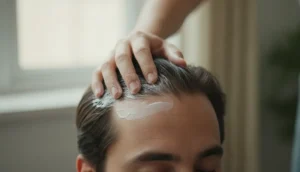
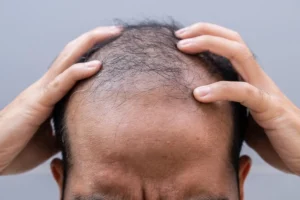
Many women experience itchy scalp and hair loss female as a frustrating combination that affects both comfort and confidence. This article delves into the underlying reasons, how professionals diagnose the problem, and the range of treatments—from simple scalp care to advanced hair restoration—available today. According to recent dermatology surveys, up to 30% of women report persistent scalp itching, and a significant portion of those also notice thinning hair. Recognizing the link between scalp irritation and hair shedding is the first step toward effective relief.
In the following sections, we will explore common medical conditions that trigger scalp itchiness, the diagnostic tools clinicians use, and evidence‑based therapies that address both symptoms. Whether you are dealing with occasional dandruff or progressive hair thinning, understanding the mechanisms at play empowers you to make informed decisions about your scalp health.
We will also highlight how Gold City Hair’s specialized techniques, such as Follicular Unit Extraction (FUE) and Direct Hair Implantation (DHI), can provide lasting solutions for women whose hair loss has progressed beyond topical remedies. Let’s begin by examining the most frequent causes of itchy scalp and hair loss in women.
Common Causes of Itchy Scalp and Hair Loss in Women
Scalp itching is rarely an isolated symptom; it often signals an underlying dermatological or hormonal condition that also influences hair density. Below are the primary contributors:
- Alopecia areata – an autoimmune disorder causing patchy hair loss and sometimes intense itching.
- Seborrheic dermatitis – a common scalp eczema that produces flaky, itchy patches and can accelerate hair shedding.
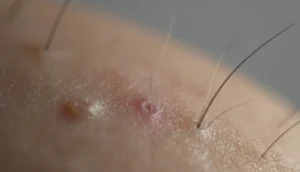
- Folliculitis – inflammation of hair follicles, often bacterial, leading to redness, itch, and occasional hair breakage.
- Telogen effluvium – stress‑related shedding where hairs enter the resting phase prematurely, sometimes accompanied by scalp discomfort.
- Androgenetic alopecia (female pattern baldness) – hormonal thinning that may coexist with mild scalp irritation.
- Traction alopecia – hair loss caused by tight hairstyles that pull on the scalp, leading to both itch and follicle damage.
Understanding these conditions helps narrow down the appropriate treatment path. For instance, while seborrheic dermatitis responds well to medicated shampoos, alopecia areata may require corticosteroid therapy or immunomodulators.
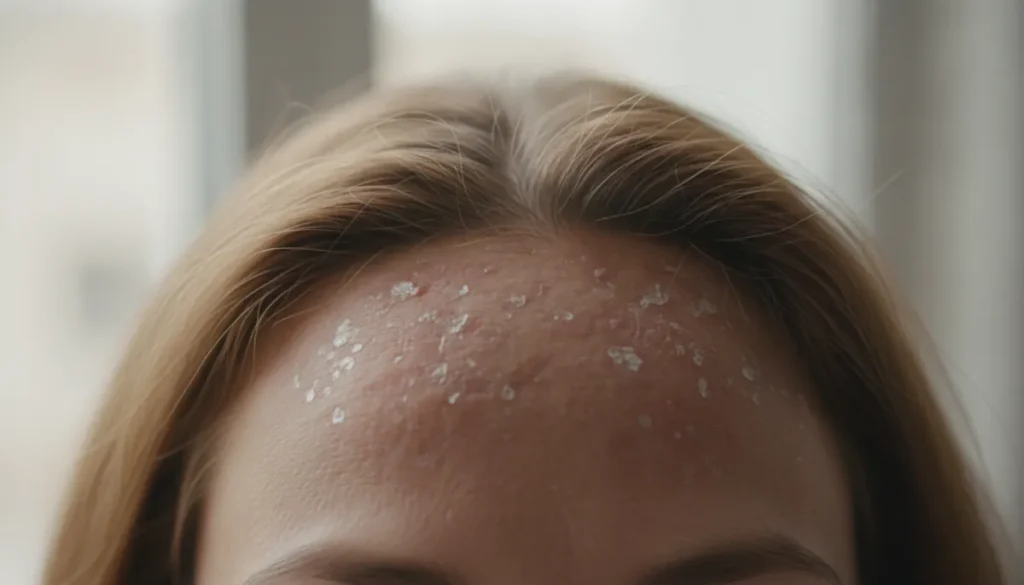
Below is a quick comparison of the most prevalent causes, highlighting symptoms, typical progression, and first‑line treatments:
| Condition | Key Symptoms | Typical Progression | First‑Line Treatment |
|---|---|---|---|
| Alopecia areata | Round bald patches, itching | Sudden onset, may remit spontaneously | Topical steroids, intralesional injections |
| Seborrheic dermatitis | Greasy flakes, redness, mild itch | Chronic, flare‑ups linked to stress | Antifungal shampoos, anti‑inflammatory creams |
| Folliculitis | Painful pustules, itching | Can become recurrent if untreated | Antibiotic washes, topical antiseptics |
| Telogen effluvium | Diffuse thinning, occasional itch | Triggered by stress, illness, medication | Address underlying cause, gentle hair care |
| Androgenetic alopecia | Gradual thinning, especially at crown | Progressive over years | Minoxidil, oral anti‑androgens, hair transplant |
How Medical Professionals Diagnose Itchy Scalp and Hair Loss
Accurate diagnosis is essential to target therapy effectively. Dermatologists and trichologists follow a systematic approach that combines visual assessment, patient history, and diagnostic testing.
Clinical Examination
The clinician first inspects the scalp for signs of inflammation, scaling, or visible follicle damage. They may use a dermatoscope—a handheld magnifier—to observe hair follicle openings and detect subtle patterns that differentiate alopecia types.
Laboratory Tests
Blood work can reveal hormonal imbalances (e.g., thyroid dysfunction, elevated androgen levels) or nutritional deficiencies (iron, vitamin D) that exacerbate hair shedding. In cases of suspected autoimmune involvement, specific auto‑antibody panels are ordered.
Scalp Biopsy
When the cause remains unclear, a small scalp biopsy can provide microscopic insight, distinguishing between inflammatory conditions like folliculitis and non‑inflammatory alopecia.
Below is a flowchart‑style list outlining the typical diagnostic steps:
- Patient interview – duration of itch, triggers, medical history.
- Physical examination – visual and dermatoscopic assessment.
- Laboratory screening – thyroid, iron, hormonal panel.
- Optional scalp biopsy – for ambiguous or refractory cases.
- Diagnosis & treatment plan – tailored to identified cause.
Effective Treatment Options: From Topical Care to Hair Transplant
Once the underlying cause is identified, treatment can be customized. Below are the most common therapeutic avenues, ranging from simple home‑based regimens to surgical interventions.
Topical and Medicated Solutions
For inflammatory scalp conditions, medicated shampoos containing ketoconazole, zinc pyrithione, or salicylic acid can reduce itching and flaking. In cases of alopecia areata, topical corticosteroids (e.g., clobetasol) are applied to suppress the immune response.
Systemic Medications
Oral antifungals, antibiotics, or anti‑inflammatory agents may be prescribed when the itch is driven by deeper infection or systemic inflammation. Hormonal therapies, such as oral spironolactone, are effective for women with androgenetic alopecia.
Procedural Interventions
When hair loss progresses despite medical management, surgical techniques become viable options. Gold City Hair specializes in:
- Follicular Unit Extraction (FUE) – individual follicles are harvested and transplanted to thinning areas, preserving donor density.
- Direct Hair Implantation (DHI) – a refined method that places follicles directly without creating recipient sites first, reducing trauma.
- Eyebrow and beard transplantation – for patients seeking comprehensive facial hair restoration.
These procedures boast high graft survival rates and natural‑looking results, especially when performed by experienced surgeons in Turkey’s leading clinics.
Lifestyle and Home Remedies to Soothe Itch and Promote Growth
Beyond medical treatments, everyday habits play a crucial role in maintaining scalp health and encouraging new hair growth.
Scalp Hygiene
Gentle, sulfate‑free shampoos help maintain the natural oil balance. Avoid hot water, which can strip moisture and worsen itching. Regularly massage the scalp with fingertips to stimulate blood flow.
Nutrition and Supplements
A diet rich in omega‑3 fatty acids, biotin, zinc, and iron supports follicle vitality. When dietary intake is insufficient, supplements such as marine‑derived omega‑3, biotin tablets, and iron complexes can be beneficial.
Stress Management
Chronic stress elevates cortisol, which can trigger telogen effluvium. Incorporating relaxation techniques—yoga, meditation, or regular exercise—helps mitigate stress‑induced hair shedding.
Here is a concise checklist for daily scalp care:
- Wash with lukewarm water and a mild shampoo no more than 3 times per week.
- Apply a soothing scalp serum containing aloe vera or tea tree oil after washing.
- Perform a 2‑minute scalp massage each evening.
- Consume at least five servings of fruits and vegetables daily.
- Limit heat styling tools and tight hairstyles.
When to Consider Advanced Hair Restoration Techniques
If conservative measures fail to halt the progression of itchy scalp and hair loss female symptoms, it may be time to explore surgical solutions. Indicators include:
- Persistent thinning despite 6‑12 months of medical therapy.
- Visible bald patches that affect self‑esteem.
- Confirmed diagnosis of androgenetic alopecia with adequate donor hair.
Gold City Hair offers a comprehensive consultation process that includes digital mapping of donor and recipient areas, ensuring realistic expectations. Their team utilizes state‑of‑the‑art FUE and DHI techniques, minimizing downtime and delivering natural density.
Patients benefit from:
- Personalized treatment plans based on individual scalp analysis.
- Transparent communication throughout the pre‑operative and post‑operative phases.
- After‑care support, including scalp nourishment protocols to reduce itching after surgery.
Choosing a reputable clinic with experienced surgeons is critical for optimal graft survival and long‑term satisfaction.
Why Choose Gold City Hair
Gold City Hair has been delivering safe, effective hair restoration solutions in Turkey since 2017. Our clinic combines cutting‑edge FUE and DHI technologies with a patient‑centered approach, ensuring each woman receives a tailored plan that addresses both scalp health and aesthetic goals. Transparent communication, meticulous after‑care, and a commitment to natural results set us apart as a trusted partner in the journey to renewed confidence.
Ready to reclaim a comfortable, itch‑free scalp and fuller hair? Contact Gold City Hair today to schedule your personalized consultation and discover the best treatment pathway for you.
Take the first step toward lasting confidence—our expert team is here to guide you every step of the way.
FAQ
What are the most common causes of itchy scalp and hair loss in women?
Common causes include alopecia areata, seborrheic dermatitis, folliculitis, telogen effluvium, androgenetic alopecia, and traction alopecia.
How do dermatologists diagnose itchy scalp and hair loss?
Diagnosis involves a clinical exam, dermatoscopic inspection, lab tests for hormones and nutrients, and sometimes a scalp biopsy.
What topical treatments are effective for relieving an itchy scalp?
Medicated shampoos with ketoconazole, zinc pyrithione, or salicylic acid, and topical corticosteroids for autoimmune cases, are commonly used.
When should a woman consider surgical hair restoration for itchy scalp and hair loss?
Surgery is advised when medical therapy fails after 6‑12 months, bald patches persist, and there is sufficient donor hair for transplantation.
Can lifestyle changes help reduce scalp itching and promote hair growth?
Yes, gentle scalp hygiene, balanced nutrition, stress management, and avoiding harsh styling can improve scalp health and support hair regrowth.