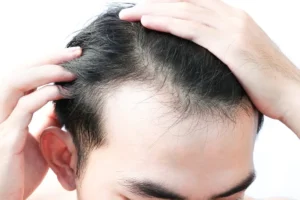
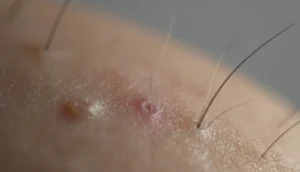
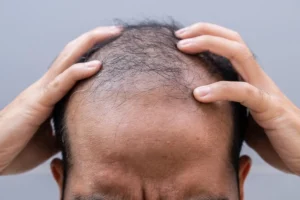
One of the most common worries among patients newly diagnosed with blood cancer is whether does leukemia cause hair loss before treatment. While many associate hair loss with chemotherapy or radiation, the disease itself can sometimes trigger early changes in hair growth. Understanding the mechanisms behind this phenomenon helps patients set realistic expectations and take proactive steps to protect their scalp health.
Leukemia, a malignancy of the blood‑forming tissues, disrupts normal cell production, including the cells that nurture hair follicles. Studies show that up to 30 % of patients notice thinning or shedding within weeks of diagnosis, even before any therapeutic intervention begins. This early hair loss can be unsettling, but it is often a sign of the body’s response to the disease rather than a side effect of medication.
In this article we will explore how leukemia influences hair before treatment, differentiate disease‑related loss from therapy‑induced alopecia, outline the signs that warrant medical attention, and provide practical strategies for maintaining hair health during the diagnostic period.
How Leukemia Affects Hair Before Any Treatment
The primary driver of hair loss in leukemia patients before therapy is the disease’s impact on the bone marrow and blood supply. Cancerous white blood cells proliferate rapidly, crowding out healthy blood‑forming cells. This leads to anemia, nutrient deficiencies, and a weakened immune system—all of which can compromise the hair growth cycle.
Key mechanisms include:
- Anemia: Reduced oxygen delivery to hair follicles slows the anagen (growth) phase.
- Nutrient depletion: Low levels of iron, zinc, and protein impair keratin production.
- Inflammatory cytokines: Elevated cytokines such as IL‑6 and TNF‑α disrupt follicular signaling.
Because hair follicles are highly metabolic, they react quickly to systemic stress. The result may be diffuse thinning, increased shedding, or a noticeable slowdown in hair growth. Importantly, this type of loss is usually reversible once the underlying blood disorder is controlled.
Patients often ask if the hair will regrow after remission. In most cases, once leukemia enters remission and blood parameters normalize, the hair growth cycle resumes, and hair typically returns to its pre‑disease density within 6–12 months.
Common Misconceptions: Radiation and Chemotherapy vs. Disease‑Related Hair Loss
Many patients conflate hair loss caused by the disease with that caused by treatment. While chemotherapy for leukemia and radiation therapy are well‑known culprits, the timing and pattern of loss differ.
Therapy‑induced alopecia typically begins 2–3 weeks after the first chemotherapy infusion and follows a predictable pattern—often starting at the crown and spreading outward. In contrast, disease‑related shedding can appear suddenly, affect the entire scalp uniformly, and may be accompanied by other systemic symptoms such as fatigue and bruising.
Below is a quick comparison:
| Aspect | Disease‑Related Hair Loss | Chemo/Radiation‑Induced Hair Loss |
|---|---|---|
| Onset | Often within weeks of diagnosis, before any treatment | 2–3 weeks after first treatment session |
| Pattern | Diffuse, uniform thinning | Patchy, starts at crown, may affect eyebrows |
| Reversibility | Typically returns after remission | Hair regrowth usually begins 3–6 months post‑therapy |
| Associated Symptoms | Accompanying anemia, fatigue, infections | Side effects of chemo: nausea, mucositis, etc. |
Understanding these differences helps patients avoid unnecessary anxiety and prepares them for the appropriate supportive measures.
Early Signs of Hair Changes and When to Seek Medical Advice
Recognizing the early signs of hair loss can prompt timely evaluation and supportive care. Patients should monitor the following indicators:
- Sudden increase in hair shedding during washing or brushing.
- Noticeable thinning across the entire scalp, especially at the hairline.
- Scalp itching or dryness that accompanies shedding.
- Concurrent symptoms such as unexplained bruising, persistent fatigue, or frequent infections.
If any of these signs appear, it is advisable to discuss them with the hematology team. While the primary focus remains on controlling the leukemia, doctors can order blood tests to assess anemia, iron levels, and inflammatory markers that directly influence hair health.
In some cases, a dermatologist may be consulted to rule out other causes of alopecia, such as autoimmune conditions or medication side effects unrelated to leukemia. Early interdisciplinary collaboration ensures that hair loss is managed alongside the core cancer treatment plan.
Managing Hair Health During Diagnosis and Pre‑Treatment Phase
While the primary goal during the diagnostic window is to stabilize the disease, patients can adopt several strategies to protect their hair and scalp:
- Nutrition: Incorporate iron‑rich foods (lean red meat, leafy greens), protein (fish, legumes), and zinc (nuts, seeds) to support follicle health.
- Gentle Hair Care: Use mild, sulfate‑free shampoos, avoid tight hairstyles, and limit heat styling.
- Scalp Massage: Light massage with natural oils (e.g., jojoba) can improve blood flow.
- Stress Reduction: Practices such as mindfulness, yoga, or short walks help lower cortisol, which can exacerbate hair shedding.
- Medical Supplements: Under physician guidance, consider iron or vitamin D supplementation if labs indicate deficiency.
It is essential to discuss any supplement regimen with the oncology team to avoid interactions with upcoming chemotherapy protocols. Additionally, patients should be aware that certain medications used to treat leukemia, such as tyrosine‑kinase inhibitors, may have their own hair‑related side effects, though these typically emerge after treatment initiation.
For those who experience significant anxiety about appearance, temporary solutions like soft wigs, scarves, or headbands can provide confidence while the underlying disease is being addressed.
Comparing Hair Loss Causes: Leukemia, Cancer Treatments, and Other Factors
Hair loss is a multifactorial issue. Below is a concise overview that places leukemia‑related shedding in context with other common causes.
| Cause | Typical Timing | Pattern of Loss | Reversibility |
|---|---|---|---|
| Leukemia (pre‑treatment) | Weeks after diagnosis, before therapy | Diffuse thinning, uniform shedding | Usually regrows after remission |
| Chemotherapy for leukemia | 2–3 weeks after first dose | Patchy, often starts at crown | Regrowth 3–6 months post‑therapy |
| Radiation therapy | During radiation course | Localized to radiation field | May be permanent if high dose |
| Hormonal changes (e.g., thyroid issues) | Gradual onset | Diffuse, often with texture change | Improves with hormone balance |
| Medication side effects (non‑cancer drugs) | Varies by drug | Diffuse or patchy | Depends on drug discontinuation |
This comparative view underscores that while does leukemia cause hair loss before treatment is a valid concern, the overall picture is nuanced. Proper diagnosis, supportive care, and clear communication with the medical team are essential for navigating any hair‑related challenges.
Why Choose Gold City Hair
At Gold City Hair we specialize in restoring confidence through advanced hair transplantation techniques such as FUE, DHI, and eyebrow or beard transplants. Since 2017, our clinic in Turkey has delivered personalized, transparent care to clients worldwide. Our experienced surgeons combine artistic precision with medical expertise, ensuring natural‑looking results that last. Whether you are dealing with disease‑related hair loss or seeking a permanent solution after cancer treatment, we provide a supportive environment and tailored treatment plans designed for your unique needs.
Ready to take the next step toward a fuller, healthier head of hair? Contact Gold City Hair today for a confidential consultation and discover how our expert team can help you regain confidence.
FAQ
Does leukemia cause hair loss before treatment?
Yes, leukemia can trigger hair thinning or shedding before any therapy begins.
What are the main reasons leukemia leads to early hair loss?
Anemia, nutrient depletion, and inflammatory cytokines are the primary mechanisms.
How can I tell if my hair loss is disease‑related or caused by chemotherapy?
Disease‑related loss appears before treatment, is diffuse, and often accompanies anemia, while chemo‑induced loss starts weeks after the first infusion and follows a patterned shedding.
When should I talk to my doctor about hair shedding after a leukemia diagnosis?
If you notice sudden shedding, diffuse thinning, or scalp itching, especially with other symptoms like fatigue or bruising, contact your hematology team promptly.
What nutrition and scalp‑care steps can help maintain hair health before treatment?
Eat iron‑rich, protein‑rich, and zinc‑rich foods, use gentle shampoos, avoid tight hairstyles, and consider scalp massage with natural oils.
Will my hair grow back after leukemia remission?
In most cases, hair regrows to its pre‑disease density within 6–12 months after remission.